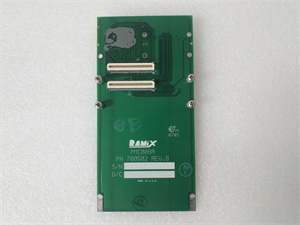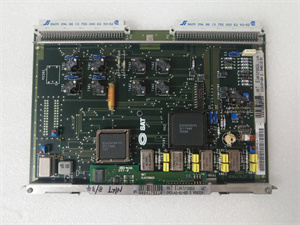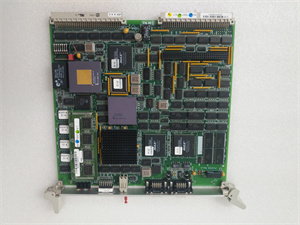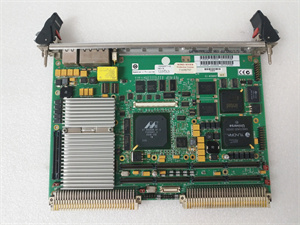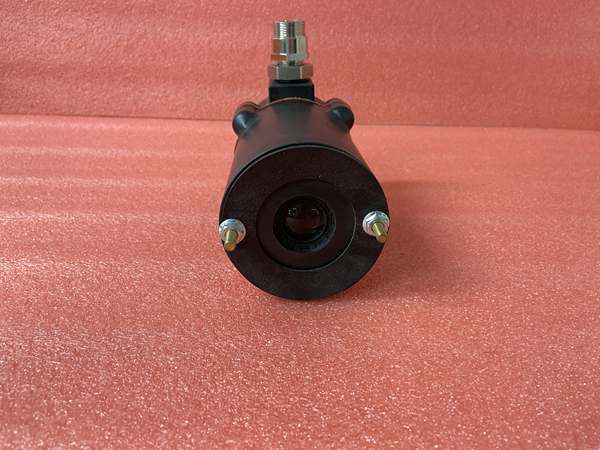
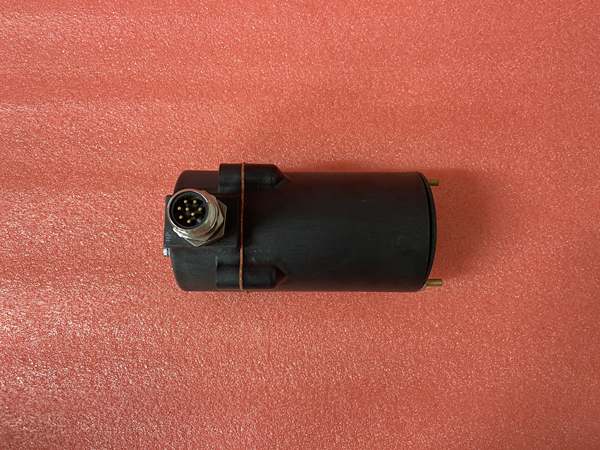
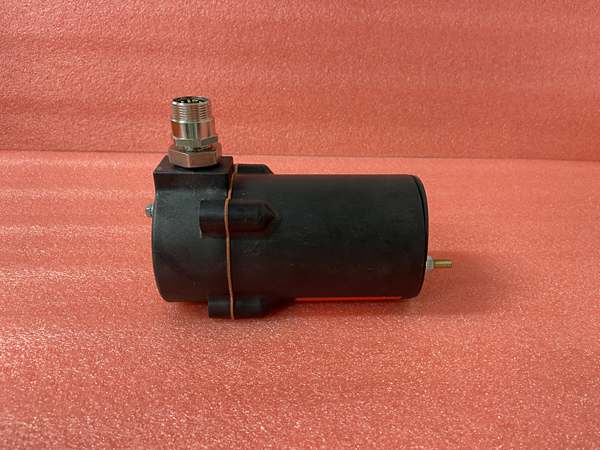
Description
System Architecture & Operational Principle
The Fireye 95DSS2-1CEX is a dual-sensor (UV/IR) flame scanner within the Fireye InSight Series, designed for Level 1 (Device) or Level 2 (Control) of the Purdue Model in industrial automation. It resides in the combustion chamber or flue gas duct (mounted via a 1” NPT or BSP thread) and serves as the bridge between flame radiation (from fuel combustion) and control systems (e.g., DCS, PLCs).
Upstream Communication
Receives UV/IR radiation from flames (e.g., natural gas, propane, methane, oil, coal combustion) via a quartz window. The scanner’s dual sensors (UV photodiode for 295–320 nm, IR photodiode for 700–1700 nm) detect radiation characteristic of hydrocarbon flames.
Downstream Communication
Transmits flame status signals to control systems via:
-
Relay Outputs: SPST (N.O.) for flame presence, SPST (N.C.) for faults.
-
Analog Output: 4–20 mA DC (proportional to flame intensity).These signals trigger actions like adjusting fuel flow, shutting down burners, or activating alarms.
Operational Advantages
-
Dual-Sensor Discrimination: Combines UV (sensitive to gas flames) and IR (sensitive to oil/coal flames) for reliable detection in multi-fuel applications.
-
Integrated Relay: Eliminates the need for external flame amplifiers, reducing wiring complexity.
-
Self-Diagnostics: Continuous self-check of the sensors, relay, and power supply ensures reliable operation.
-
Hazardous Area Rating: FM Class I Div 2 certification allows use in explosive environments (e.g., oil refineries, chemical plants).
Core Technical Specifications
|
Attribute
|
Specification
|
|---|---|
|
Detection Wavelength
|
UV: 295–320 nm; IR: 700–1700 nm
|
|
Input Voltage
|
24 VDC (±15%, 0.35 A max)
|
|
Operating Temperature
|
-40°C to +65°C (-40°F to 149°F)
|
|
Protection Rating
|
NEMA 4X (IP66)
|
|
Hazardous Area Certification
|
FM Class I Div 2, Groups A, B, C, D; CE (EN 298)
|
|
Relay Outputs
|
Flame (SPST N.O.), Fault (SPST N.C.); 2A@30 VDC/230 VAC (resistive load)
|
|
Analog Output
|
4–20 mA DC (max load 750 Ω)
|
|
Response Time
|
<1 second (typical)
|
|
Weight
|
~1.96 kg (4.3 lbs)
|
|
Mounting
|
1” NPT or BSP thread (with optional flange)
|
|
Cable Requirements
|
Shielded, 12-conductor (0.41–0.43 in outer diameter)
|
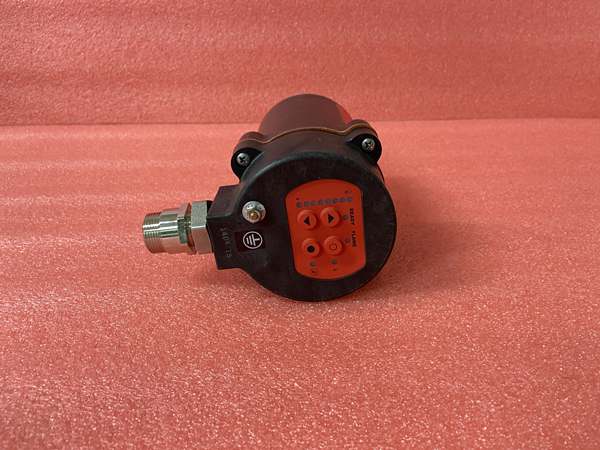
Fireye 85UVF1-1QDK3
Customer Value & Operational Benefits
Enhanced Process Safety
The 95DSS2-1CEX’s dual-sensor design and fast response time (<1 second) prevent unburned fuel accumulation, reducing the risk of explosions in industrial furnaces or boilers.
Reduced Maintenance Costs
The integrated relay and self-diagnostic features minimize the need for external components and troubleshooting. For example, a chemical plant using the scanner reported a 30% reduction in maintenance time compared to traditional flame detectors.
Cost-Effective Installation
The NPT/BSP mounting thread and compact design (1.96 kg) simplify installation in tight spaces. The 4–20 mA analog output eliminates the need for additional signal converters, reducing upfront costs.
Compliance with Industry Standards
The scanner’s FM and CE certifications ensure compliance with global safety regulations, making it suitable for use in regulated industries like oil & gas, power generation, and chemical processing.
Field Engineer’s Notes (From the Trenches)
When installing the 95DSS2-1CEX, always use a sealing coupling to prevent furnace pressure from damaging the quartz window. I once saw a site where a contractor skipped the coupling, resulting in a cracked window and a 4-hour downtime.Another gotcha: purge air is critical—the scanner requires 4–15 SCFM of clean, dry air to cool the sensor. If the air supply is interrupted, the scanner will overheat and trigger a fault. Use a flow meter to verify the purge air rate during commissioning.If the “FAULT” LED is red, check the power supply first—the 24 VDC input must be within ±15% of the nominal value. I’ve fixed countless “fault” errors by replacing a faulty power supply.
Real-World Applications
-
Oil Refinery: Furnace Flame MonitoringAn oil refinery uses the 95DSS2-1CEX to monitor the flame in a crude oil furnace. The scanner’s 4–20 mA output is sent to the DCS, which adjusts the fuel flow to maintain a stable flame. The relay output triggers an alarm if the flame goes out, preventing unburned fuel from entering the flue gas system.
-
Chemical Plant: Boiler Safety InterlockA chemical plant uses the 95DSS2-1CEX to interlock the boiler’s fuel valve. If the scanner detects a flame-out, the relay output closes the fuel valve, preventing a potential explosion. The NEMA 4X rating ensures reliable operation in the plant’s corrosive environment.

Fireye 85UVF1-1QDK3
High-Frequency Troubleshooting FAQ
Q: What does the “FAULT” LED indicate on the 95DSS2-1CEX?
A: The red “FAULT” LED indicates a critical error, such as:
-
Power Supply Failure: Input voltage is outside the 24 VDC ±15% range.
-
Sensor Malfunction: The UV/IR sensor is not detecting radiation (e.g., dirty quartz window).
-
Purge Air Loss: The purge air supply is interrupted or insufficient.Check the scanner’s manual for detailed fault codes and follow the manufacturer’s troubleshooting steps.
Q: Can the 95DSS2-1CEX be used with non-Fireye systems?
A: Yes, the scanner’s relay and analog outputs are compatible with most DCS/PLC systems. However, the self-diagnostic features may require Fireye-specific software for full functionality.
Q: How do I clean the quartz window?
A: Turn off the scanner and wait for it to cool. Remove the window cover and clean the quartz with a soft cloth and isopropyl alcohol. Avoid using abrasive materials, as they can scratch the window.
Q: What is the maximum cable length for the 95DSS2-1CEX?
A: The maximum recommended cable length is 1000 ft (305 m) for the 4–20 mA output. Longer cables may cause signal attenuation—use a signal repeater if necessary.
Commercial Availability & Pricing
Please note: The listed price is not the actual final price. It is for reference only and is subject to appropriate negotiation based on current market conditions, quantity, and availability.