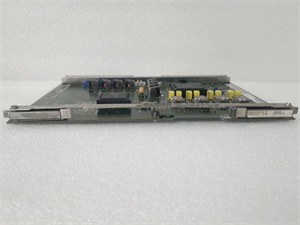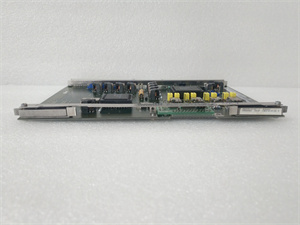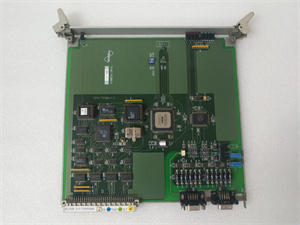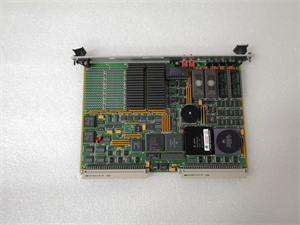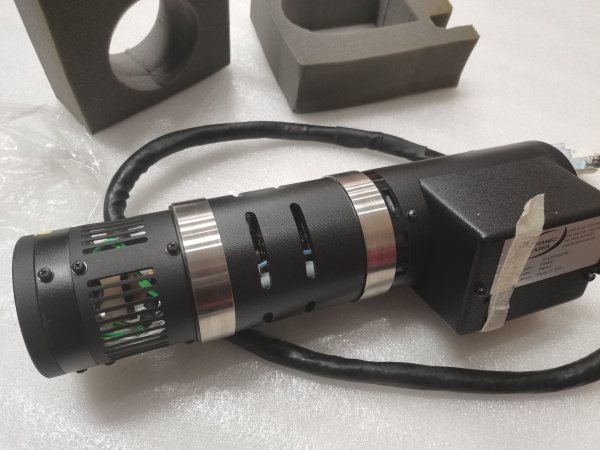
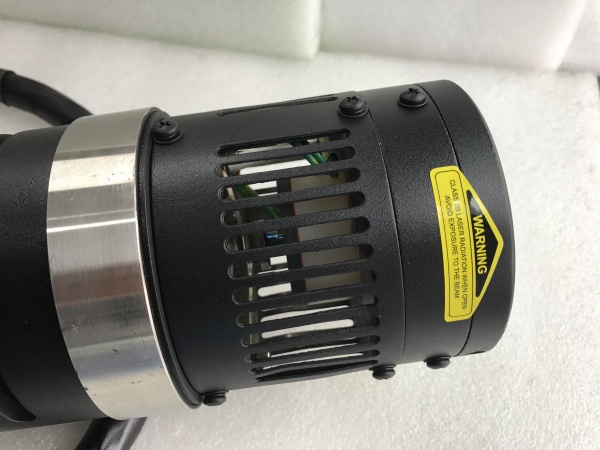
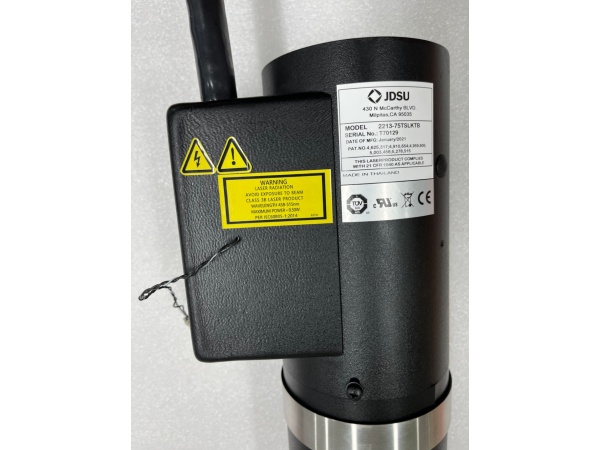
Description
System Architecture & Operational Principle
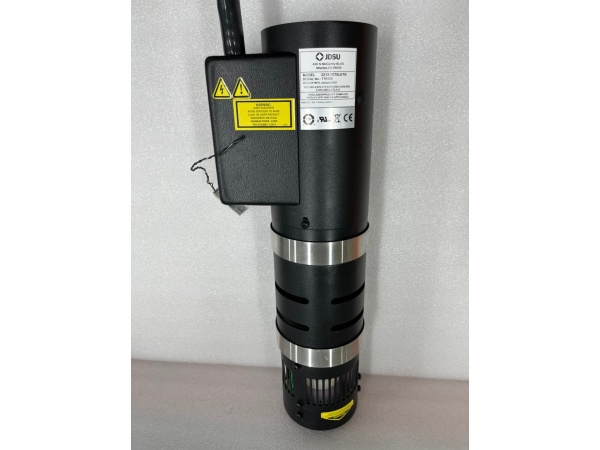
The JDSU 2213-75TSLKTB is a handheld, battery-powered fiber optic test kit designed for field technicians and installers. It integrates two core components: a 1310/1550 nm laser source (for generating test signals) and an InGaAs photodetector-based power meter (for measuring signal strength). The kit is housed in a durable, rubber-booted case for protection in harsh field environments.
Core Functional Blocks
-
Laser Source Module:
-
Emits continuous wave (CW) or modulated (270 Hz, 1 kHz, 2 kHz) light at 1310 nm and 1550 nm—standard wavelengths for single-mode fiber optic networks.
-
Typical output power: +4 dBm (adjustable via the kit’s interface).
-
Modulation frequencies are used to distinguish the test signal from ambient light during power measurements.
-
-
Power Meter Module:
-
Uses an InGaAs detector (sensitive to 800–1700 nm) to measure optical power from -70 dBm (low light) to +10 dBm (high power).
-
Features a backlit LCD for easy reading in low-light conditions and an auto power-off function to conserve battery life.
-
-
User Interface:
-
A simple keypad and menu system allow users to select wavelengths, modulation modes, and measurement units (dBm or μW).
-
The display shows real-time power readings, battery status, and error messages (e.g., “low battery” or “no signal”).
-
Operational Workflow
-
Setup: The technician connects the laser source to one end of the fiber optic cable (via FC/SC/ST connectors) and the power meter to the other end.
-
Signal Generation: The laser source emits a test signal (CW or modulated) into the cable.
-
Power Measurement: The power meter measures the signal strength at the far end, accounting for cable loss (attenuation) and connector reflections.
-
Analysis: The technician uses the readings to verify cable integrity (e.g., check if loss is within acceptable limits) or locate faults (e.g., breaks or bends in the cable).
Key Architectural Advantages
-
Portability: The handheld design (lightweight, compact) makes it ideal for field use (e.g., climbing poles, crawling under floors).
-
Versatility: Interchangeable connectors (FC/SC/ST) support testing of most fiber optic cables without adapters.
-
Cost-Effectiveness: Combining a laser source and power meter into one kit reduces the need for multiple tools, saving money and space.

JDSU 2213-75TSLKTB
Core Technical Specifications
|
Parameter
|
Specification
|
|---|---|
|
Wavelength Range
|
1310 nm / 1550 nm (single-mode)
|
|
Laser Output Power
|
+4 dBm typical (adjustable)
|
|
Modulation Frequencies
|
CW, 270 Hz, 1 kHz, 2 kHz
|
|
Power Measurement Range
|
-70 dBm to +10 dBm (InGaAs detector)
|
|
Accuracy
|
±0.5 dB (power meter); ±5 nm (wavelength stability)
|
|
Connector Type
|
FC/SC/ST interchangeable (2.5 mm ferrule)
|
|
Battery Life
|
50 hours typical (alkaline batteries); 30 hours (NiMH rechargeable)
|
|
Operating Temperature
|
-10°C to +50°C (14°F to 122°F)
|
|
Storage Temperature
|
-20°C to +60°C (-4°F to 140°F)
|
|
Dimensions
|
~150 mm × 80 mm × 40 mm (5.9 in × 3.1 in × 1.6 in)
|
|
Weight
|
~0.5 kg (1.1 lbs) (with batteries)
|
|
Certifications
|
CE, FCC, RoHS
|
Customer Value & Operational Benefits
1. Streamlined Field Testing
The 2213-75TSLKTB combines two essential tools (laser source + power meter) into one handheld device, reducing the number of tools technicians need to carry. This streamlines workflows—for example, a technician can quickly test a fiber optic cable for loss (using the power meter) and then verify the source signal (using the laser) without switching devices.
2. Accurate & Reliable Measurements
The InGaAs detector and laser source are calibrated to industry standards (e.g., ITU-T G.957), ensuring accurate measurements for fiber optic loss (attenuation) and power levels. This reliability is critical for verifying that fiber optic networks meet performance requirements (e.g., for 10Gbps or 40Gbps links).
3. Durability for Harsh Environments
The kit’s rubber boot and sturdy plastic case protect it from drops, moisture, and dust—common hazards in field environments. The auto power-off function prevents accidental battery drain, ensuring the kit is ready for use when needed.
4. Cost Savings
By combining a laser source and power meter, the 2213-75TSLKTB eliminates the need to purchase two separate tools. This cost savings is significant for small businesses or contractors who need to equip multiple technicians.
JDSU 2213-75TSLKTB
Field Engineer’s Notes (From the Trenches)
When using the 2213-75TSLKTB, always clean the fiber optic connectors (with a lint-free wipe and isopropyl alcohol) before testing—dust or oil on the connectors can cause inaccurate power readings. I once spent an hour troubleshooting a “high loss” fault only to find a dirty connector was the culprit.Use the correct connector type—the kit comes with FC/SC/ST interchangeable tips, but using the wrong one (e.g., FC on an SC port) can damage the connector or give false readings. Double-check the connector before plugging it in.Replace the batteries regularly—if the “low battery” icon appears, change the batteries immediately. A dead battery in the middle of a job is frustrating and can delay project completion. Use alkaline batteries for longer life (50 hours typical) or NiMH rechargeables for cost savings.
Real-World Applications
1. Fiber Optic Cable Installation
A technician installs a new single-mode fiber optic cable between two buildings. They use the 2213-75TSLKTB to test the cable for end-to-end loss:
-
Connect the laser source to one end (1310 nm) and the power meter to the other.
-
Measure the power loss (should be <0.5 dB/km for 1310 nm).
-
If the loss is too high, they use the kit to locate the fault (e.g., a bend in the cable) and repair it.
2. Routine Network Maintenance
A network administrator performs monthly maintenance on a fiber optic network. They use the 2213-75TSLKTB to:
-
Verify that the laser source is emitting the correct power (+4 dBm).
-
Check the power meter’s accuracy by measuring a known reference signal.
-
Test critical links (e.g., between the server room and a remote office) for loss.
3. Troubleshooting a Network Outage
A company experiences a network outage due to a fiber optic cable break. The technician uses the 2213-75TSLKTB to:
-
Connect the laser source to the near end of the cable and the power meter to the far end.
-
If no signal is detected, they use the kit’s “modulated” mode (270 Hz) to distinguish the test signal from ambient light.
-
Once the break is located (using a OTDR or visual fault locator), they repair the cable and retest it with the 2213-75TSLKTB to ensure it’s working.