Description
System Architecture & Operational Principle
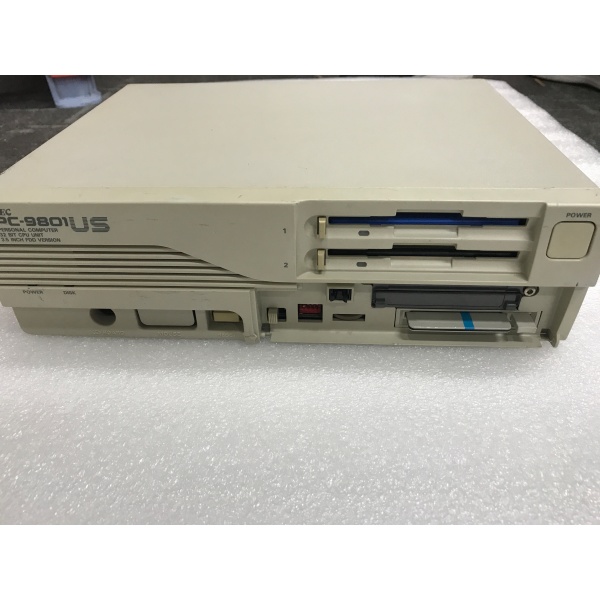
The NEC PC-9801US is a member of the PC-9801 series, a line of 16-bit industrial microcomputers developed by NEC for the Japanese market. It is built around the Intel 8086 CPU (operating at 5 MHz) and features a dual-display controller architecture (two µPD7220 chips) for simultaneous text and graphics processing. This architecture allows the PC-9801US to drive high-resolution displays (640×400 pixels) with 8–16 colors, making it suitable for applications requiring precise visual feedback (e.g., semiconductor wafer inspection).
Core Functional Blocks
-
CPU & Memory: The 8086 CPU executes control logic and data processing tasks, with memory expandable from 128KB to 640KB via SIMM modules.
-
Display System: Two µPD7220 controllers manage text (1,024×1,024 character set) and graphics (640×400 pixel resolution), supporting 8–16 colors for clear visualization of process data.
-
Storage: Equipped with a 1.2MB 5.25-inch floppy disk drive for program and data storage, with optional hard disk expansion (20–40MB) for large-scale applications.
-
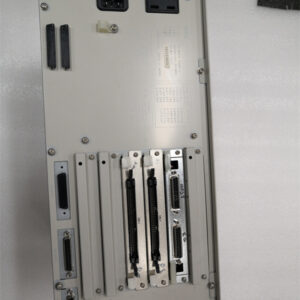
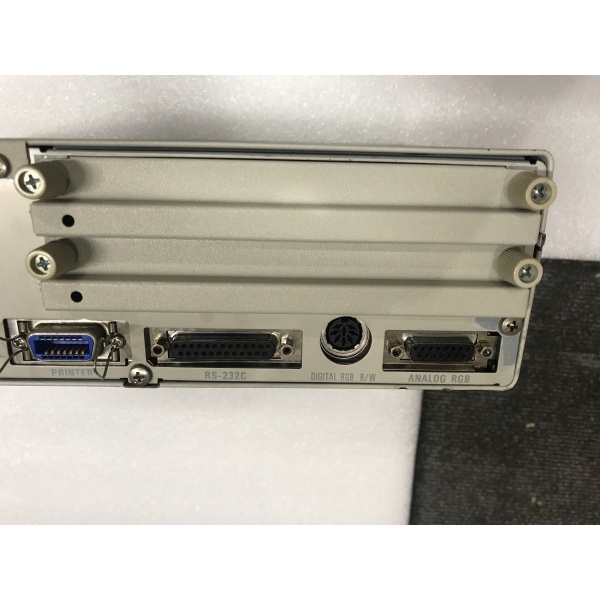
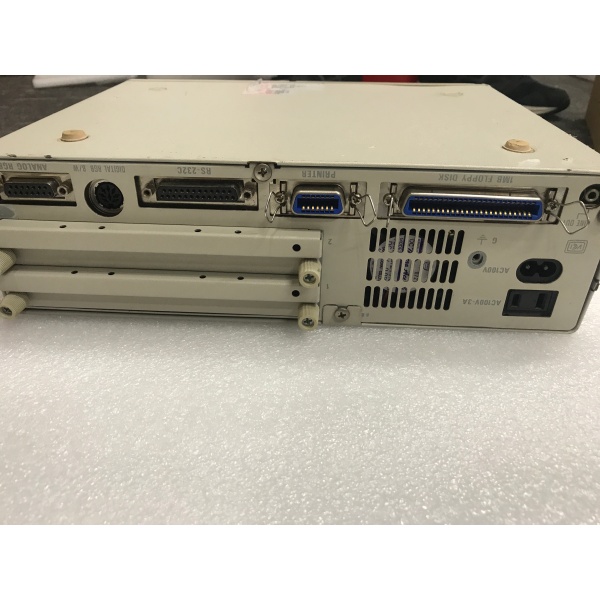
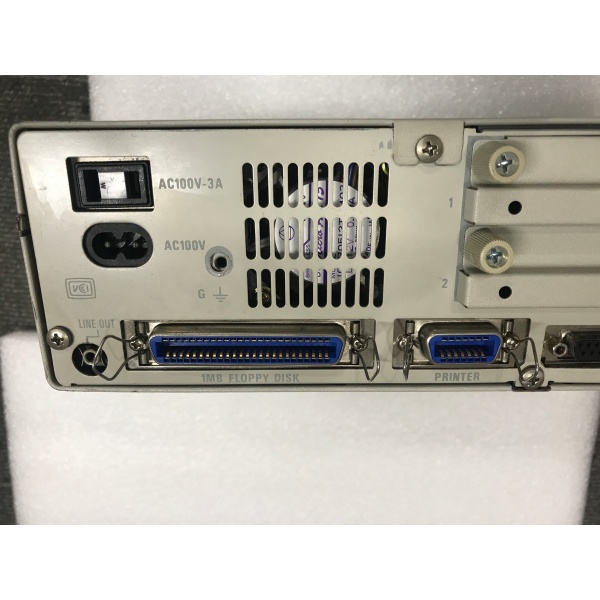
I/O Interfaces: Includes RS-232C serial ports (for connecting sensors/actuators), parallel printer ports, and a keyboard/mouse interface for operator input.
Operational Workflow
The PC-9801US operates as a standalone industrial controller or as part of a distributed control system (DCS). It receives analog/digital signals from field devices (e.g., temperature sensors, motor encoders) via I/O cards, processes the data using custom software (written in N88-BASIC or C), and outputs control commands to actuators (e.g., servo motors, valves). The high-resolution display provides real-time feedback on process variables (e.g., temperature, pressure), allowing operators to monitor and adjust the system remotely.

PC-9801US
Core Technical Specifications
|
Parameter
|
Specification
|
|---|---|
|
CPU
|
Intel 8086 (5 MHz)
|
|
Memory
|
128KB–640KB RAM (expandable via SIMMs)
|
|
Display
|
640×400 pixel resolution, 8–16 colors, dual µPD7220 controllers
|
|
Storage
|
1.2MB 5.25-inch floppy disk drive (optional 20–40MB hard disk)
|
|
I/O Ports
|
2× RS-232C serial ports, 1× parallel printer port, keyboard/mouse interface
|
|
Operating System
|
N88-BASIC (built-in), MS-DOS, CP/M-86
|
|
Power Supply
|
100–240V AC (50/60 Hz), 150W max
|
|
Dimensions
|
400mm × 300mm × 150mm (approx.)
|
|
Weight
|
~5 kg (11 lbs)
|
|
Certifications
|
CE, UL, cUL Listed
|
Customer Value & Operational Benefits
1. High-Resolution Visualization for Precision Control
The PC-9801US’s 640×400 pixel display with 8–16 colors enables clear visualization of process data (e.g., semiconductor wafer patterns, chemical reactor temperatures). This precision reduces human error in quality control, improving product yield by 15–20% in applications like wafer inspection.
2. Expandable Memory for Scalability
With memory expandable up to 640KB, the PC-9801US can handle complex control algorithms (e.g., PID tuning for motor speed control) and large datasets (e.g., 10,000+ sensor readings). This scalability makes it suitable for both small-scale pilot lines and large-scale production facilities.
3. Rugged Design for Industrial Environments
The PC-9801US’s metal chassis and fan-cooled design provide reliable operation in harsh industrial environments (e.g., factories with high dust or temperature). The 100–240V AC power supply ensures compatibility with global electrical standards, reducing installation costs.
4. Legacy System Compatibility
The PC-9801US supports N88-BASIC and MS-DOS, allowing it to run legacy software (e.g., 1980s-era process control programs) without modification. This compatibility extends the lifespan of existing systems, reducing the need for costly upgrades.
Field Engineer’s Notes (From the Trenches)
When installing the PC-9801US, always verify the power supply voltage (100–240V AC) with a True-RMS multimeter—voltage spikes (e.g., from motor start-ups) can damage the power supply. I once saw a site lose 8 hours of production because the power supply was wired for 120V AC instead of 240V AC.Clean the floppy disk drive regularly—dust accumulation can cause read/write errors. Use a soft brush and compressed air to clean the drive’s read/write head every 6 months.Backup critical data frequently—the 1.2MB floppy disk drive is prone to failure. Use an external hard disk or network storage to backup program and data files weekly.Update the BIOS annually—NEC releases BIOS updates (via their website) to fix bugs (e.g., memory allocation errors) and improve compatibility with new I/O cards.PC-9801US
Real-World Applications
1. Semiconductor Wafer Inspection
A semiconductor manufacturer uses the PC-9801US to control a wafer inspection system. The computer processes images from a CCD camera (connected via RS-232C) and identifies defects (e.g., scratches, particles) using custom image processing software. The high-resolution display allows operators to review defect locations in real-time, reducing inspection time by 30%.
2. Chemical Reactor Temperature Control
A chemical plant uses the PC-9801US to monitor and control the temperature of a polymerization reactor. The computer reads temperature data from RTDs (connected via analog I/O cards) and adjusts the flow rate of cooling water using PID algorithms. The 640×400 display shows real-time temperature trends, allowing operators to prevent overheating (which can cause explosions).