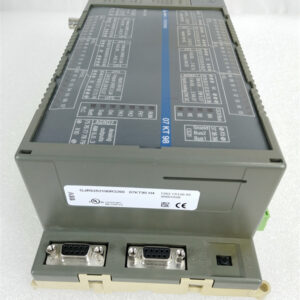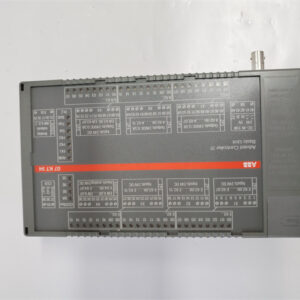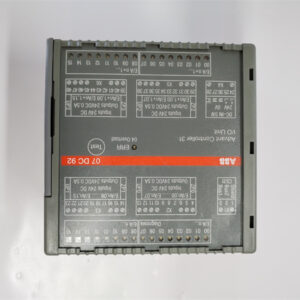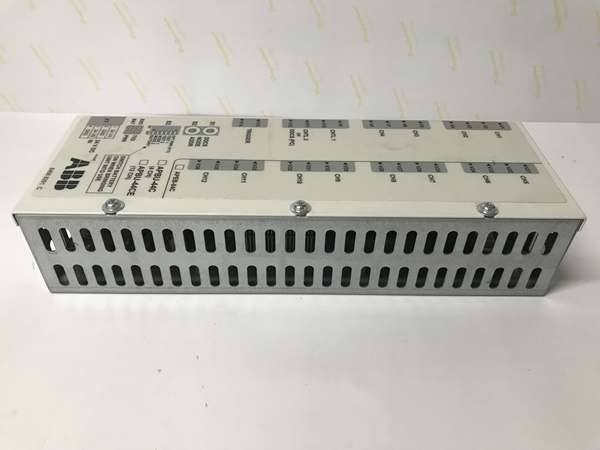
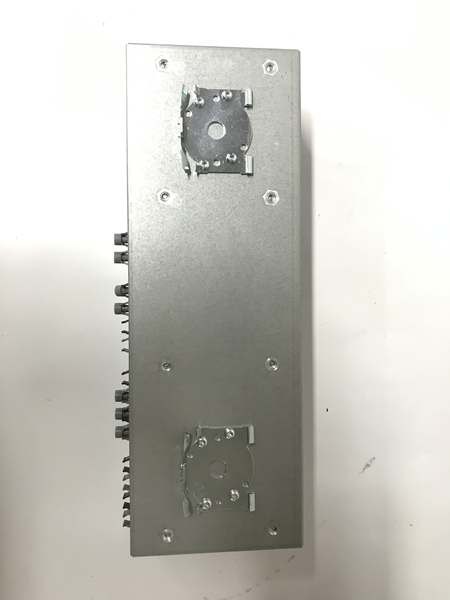
ABB APBU-44C 64669982 | S800 I/O Analog Input Baseplate

  • Brand:​ ABB
  • ••
    Model:​ APBU-44C (Part Number: 64669982)
  • ••
    Product Type:​ I/O Module Baseplate / Assembly
  • ••
    Series:​ S800 I/O
  • ••
    Core Function:​ Provides the mounting and electrical interface for S800 I/O modules, specifically for analog input applications.
  • ••
    Key Specs:​ Module mounting, backplane connection, field termination.
Manufacturer:
Part number: ABB APBU-44C 64669982
Our extensive catalogue, including : ABB APBU-44C 64669982 , is available now for dispatch to the worldwide.

Description

APBU-44C: Product Overview
The APBU-44C is a baseplate unit designed for ABB’s S800 I/O system, serving as the mechanical mounting and electrical interface platform for S800 I/O modules. This assembly provides the physical structure that houses the electronic I/O modules and facilitates the connection between the field wiring and the control system. Installed in control panels or marshalling cabinets, its primary function is to securely mount S800 I/O modules while providing the necessary backplane connections for power distribution and communication with the fieldbus interface.
The baseplate unit includes a built-in backplane that distributes power to the mounted I/O modules and handles communication between the modules and the fieldbus interface. It’s designed with specific keying and coding to ensure only compatible modules can be installed in the correct positions. The assembly typically includes connectors for field wiring termination, either through direct connection or via Field Termination Assemblies (FTAs), providing a organized and maintainable interface between the process field wiring and the electronic I/O modules.

ABB APBU-44C 64669982

ABB APBU-44C 64669982

APBU-44C: Technical Specifications
  • ••
    Model Number:​ APBU-44C
  • ••
    Manufacturer Part Number:​ 64669982
  • ••
    Manufacturer:​ ABB
  • ••
    Product Type:​ I/O Module Baseplate Assembly
  • ••
    Compatible System:​ S800 I/O
  • ••
    Module Capacity:​ Typically 1-8 modules (depends on specific configuration)
  • ••
    Backplane:​ Integrated backplane for power and communication
  • ••
    Power Distribution:​ 24V DC to mounted modules
  • ••
    Field Connection:​ Screw terminal blocks or FTA interface
  • ••
    Mounting:​ DIN rail or direct panel mounting
  • ••
    Operating Temperature:​ -25°C to +70°C
  • ••
    Isolation:​ Channel-to-channel and system-to-field isolation
  • ••
    Certifications:​ UL, CE, ATEX (for hazardous areas)

    ABB APBU-44C 64669982
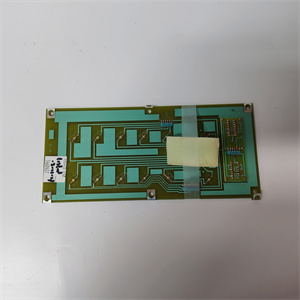
    ABB APBU-44C 64669982

Core Features & Customer Value
The baseplate’s robust construction ensures reliable mounting and electrical connection for I/O modules in demanding industrial environments. For system integrators, this translates to reduced installation time and improved system reliability through secure mechanical mounting and proper electrical termination. The integrated backplane design eliminates the need for separate wiring between modules, reducing points of failure and simplifying cabinet layout.
The modular design allows for easy maintenance and module replacement without disturbing field wiring. When used with Field Termination Assemblies (FTAs), modules can be hot-swapped while the system remains operational, significantly reducing maintenance downtime. The clear labeling and indexing features prevent incorrect module installation, reducing commissioning errors and improving system reliability.
Typical Applications
In process automation systems, the APBU-44C baseplate is used in distributed I/O stations located near field equipment. It houses analog input modules that interface with temperature transmitters (RTDs, thermocouples), pressure transmitters, and other analog field devices, providing conditioned signals to the control system.
In power generation facilities, the assembly is used in turbine control panels to mount I/O modules that interface with vibration sensors, temperature probes, and pressure transmitters, providing critical protection and monitoring signals to the turbine control system.