Description
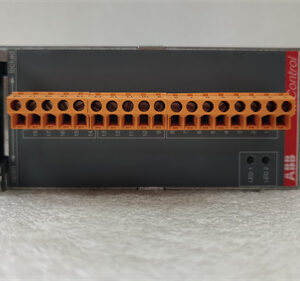
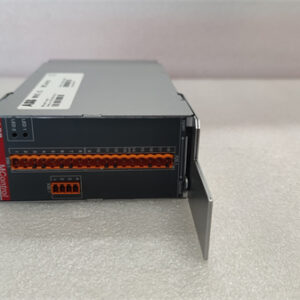
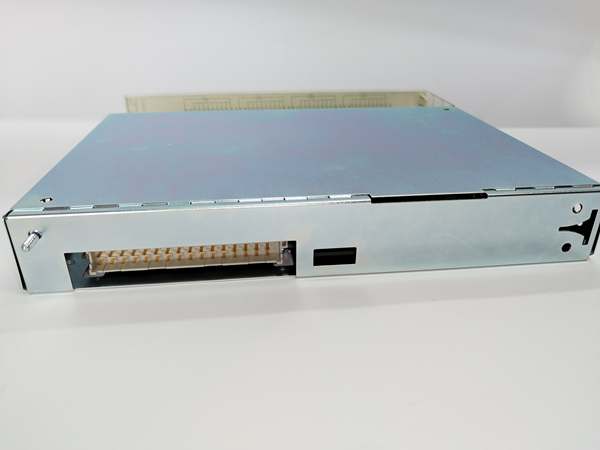
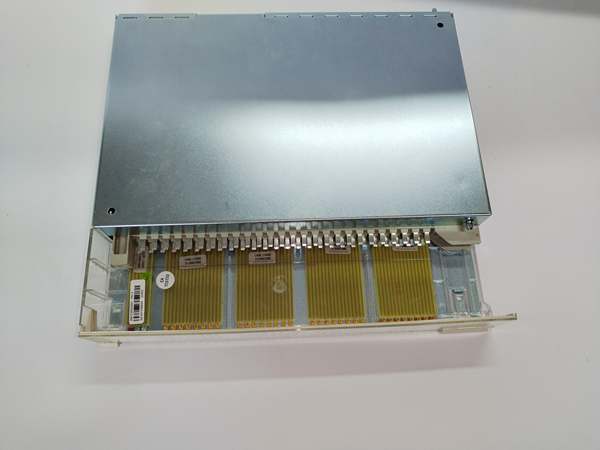
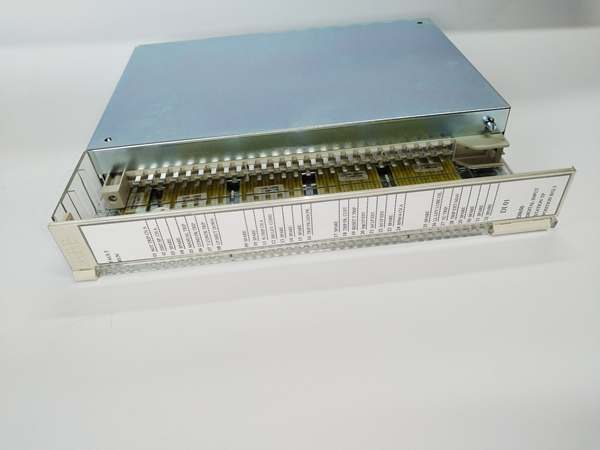
DI650 3BHT300025R1: Product Overview
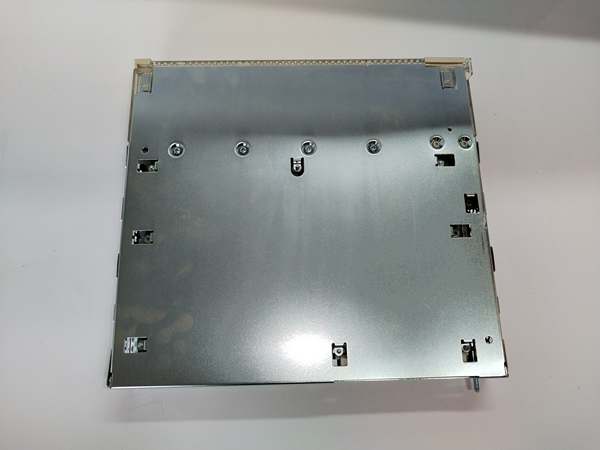
ABB DI650 3BHT300025R1
DI650 3BHT300025R1: Technical Specifications
-
Model Number: DI650 (Product ID: 3BHT300025R1) -
Manufacturer: ABB -
Product Type: Digital Input Module -
System Compatibility: Advant Master Process Control System -
Number of Channels: 32 digital inputs -
Input Voltage: 24V DC -
Isolation: Opto-isolated in 4 channel groups -
Special Functions: -
Sequence of Event Detection -
Pulse Catching
-
-
Dimensions (W x H x D): 40 mm x 273 mm x 252 mm -
Net Weight: 1.225 kg -
Operating Temperature: 0°C to +55°C (typical for Advant modules) -
Storage Temperature: -40°C to +70°C (typical for Advant modules) -
Humidity: 5% to 95% non-condensing (typical for Advant modules) -
Protection Class: IP20 (when mounted correctly)
Core Features & Customer Value
-
High Channel Density: Providing 32 input channels within a single module maximizes the use of available I/O rack space. For engineers, this reduces the number of modules and carriers required, simplifying system architecture and lowering overall hardware costs. It also makes wiring design more efficient, as multiple field points can be terminated on a single module. -
Optical Isolation: The module offers isolation between channel groups and to the backplane. This design protects the control system from ground loops and high-voltage transients common in industrial settings. The benefit to the end-user is enhanced system reliability and safety, minimizing the risk of a fault in one channel affecting other parts of the system or causing a shutdown. -
Sequence of Event Detection and Pulse Catching: These specialized functions allow the module to capture and timestamp rapid state changes with high accuracy. For applications requiring precise chronological logging of events (e.g., fault diagnostics, security systems, or batch process tracking), this feature is invaluable. It enables engineers to reconstruct event sequences accurately, reducing troubleshooting time and improving process transparency. -
Robust Industrial Design: Engineered for demanding industrial environments, the module is built to withstand electrical noise, vibration, and temperature variations. This robust construction ensures long-term reliability and stable operation, minimizing downtime and maintenance efforts for the end-user. -
Seamless Integration with Advant OCS: The module is designed to work seamlessly with ABB’s Advant Master Process Control System, including its engineering tools and communication protocols. This ensures straightforward integration into existing or new installations, protecting the customer’s investment in the ABB automation platform and simplifying training and support. 
ABB DI650 3BHT300025R1
Typical Applications
-
Power Generation Plants: The DI650 module is commonly used to monitor the status of auxiliary systems. For example, it can acquire signals from circuit breaker auxiliary contacts (indicating open/closed status), pump and fan motor starters, valve position feedback (limit switches), and alarm annunciators. This information is critical for the plant’s safety interlock and control logic. -
Petrochemical Refineries and Chemical Processing: In hazardous areas, the module can be deployed in distributed I/O stations located near reactors, distillation columns, or storage tanks. It interfaces with proximity switches on valves, pressure switches, temperature switches (via transmitters), and emergency shutdown buttons, ensuring safe and efficient process control while minimizing cabling runs back to the central control room. -
Manufacturing and Material Handling Systems: The module can be used to read signals from photoelectric sensors (for object detection), limit switches on conveyors, emergency stop buttons, and status indicators on automated machinery. These inputs are essential for controlling production lines, ensuring safe operation, and triggering alarms when necessary. -
Water and Wastewater Treatment Facilities: The DI650 can monitor float switches (for tank level indication), flow switch status, pump run signals, and door interlocks on access hatches. This data is vital for automating treatment processes, ensuring regulatory compliance, and protecting public health.