Description
System Architecture & Operational Principle
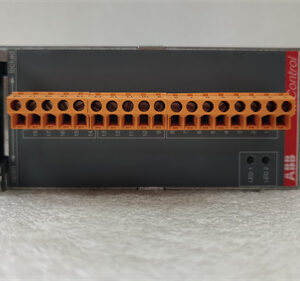
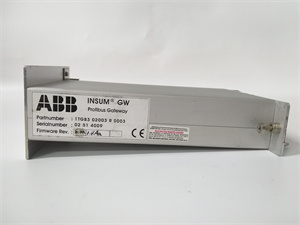
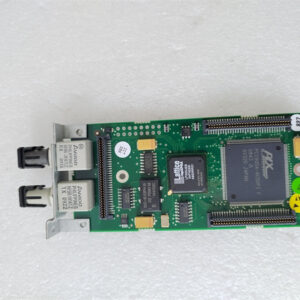
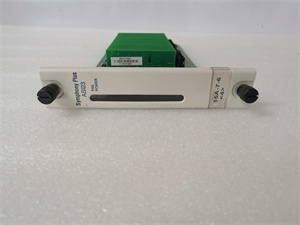
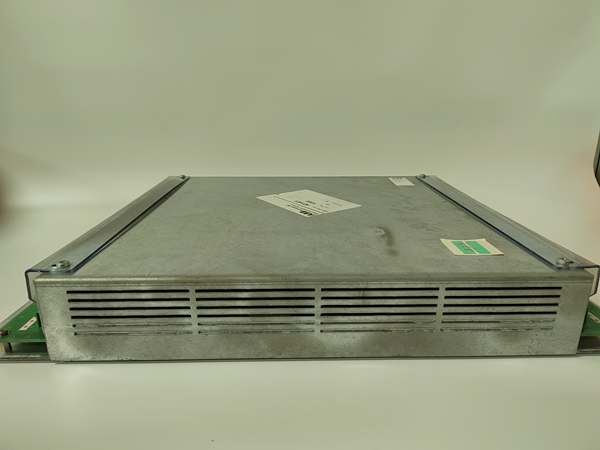
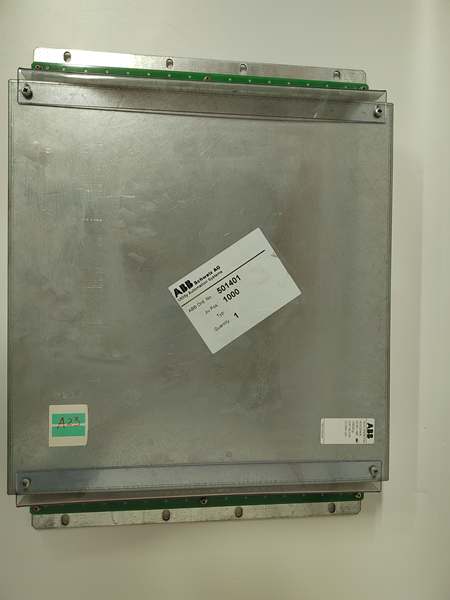
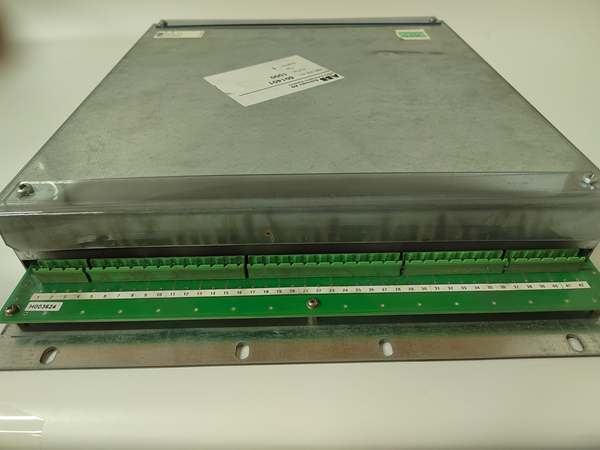
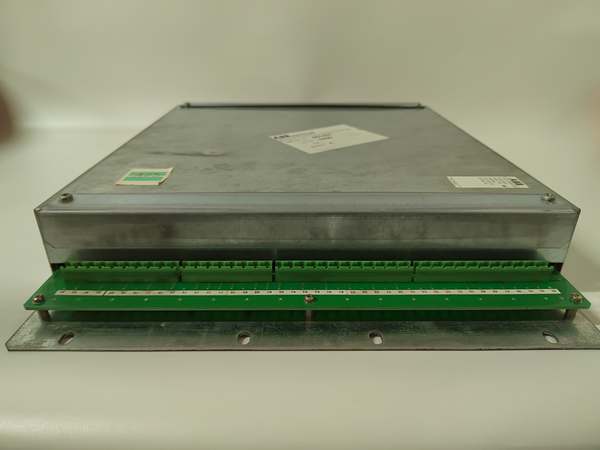
The ABB HESG324430R11/B power supply module and 216GD61A auxiliary relay/optocoupler assembly are critical components of the ABB REG216 Digital Generator Protection System, which is used in power generation (e.g., thermal, hydro, wind) and industrial automation applications.
HESG324430R11/B Power Supply Module
-
Location: Mounted in the REG216 system’s power distribution cabinet.
-
Upstream Input: Receives 85–264V AC (50/60 Hz) or 110–300V DC from the plant’s main power supply.
-
Downstream Output: Converts input voltage to a stable 24V DC output, which powers the REG216’s electronic units (e.g., processing units, analog input modules, digital output modules).
-
Operational Advantage: The module’s wide input voltage range ensures reliable operation even with fluctuating plant power. Its high efficiency (>93%) minimizes heat dissipation, reducing the need for additional cooling and extending component lifespan.
216GD61A Auxiliary Relay & Optocoupler Assembly
-
Location: Installed in the REG216 system’s relay compartment.
-
Upstream Input: Receives signals from the REG216’s processing unit (e.g., trip commands, status signals).
-
Downstream Output:
-
Tripping Relays: Eight 250V AC/DC relays (5A) for driving external circuit breakers or protective devices.
-
Auxiliary Relays: Sixteen 24V DC relays for internal system logic or status indication.
-
Optocoupler Inputs: Sixteen isolated inputs (20–312V DC) for receiving signals from field devices (e.g., current transformers, voltage transformers).
-
-
Operational Advantage: The optocoupler inputs provide galvanic isolation between field devices and the system’s logic circuits, preventing noise and voltage spikes from damaging sensitive electronics. The tripping relays have built-in surge circuits to handle inductive loads (e.g., circuit breakers), ensuring reliable operation in high-voltage environments.

ABB HESG324430R11/B
Core Technical Specifications
HESG324430R11/B Power Supply Module
-
Input Voltage: 85–264V AC (50/60 Hz) / 110–300V DC
-
Output Voltage: 24V DC (±1% regulation)
-
Output Current: 10A continuous (12A peak for 5 seconds)
-
Efficiency: ≥93% (typical at full load)
-
Protection Features: Overvoltage, short-circuit, overload, overtemperature
-
Operating Temperature: -25°C to +70°C
-
Certifications: CE, UL 508, IEC 60947, RoHS
-
Dimensions: 125 x 80 x 40 mm (HxWxD)
-
Weight: 0.5 kg
216GD61A Auxiliary Relay & Optocoupler Assembly
-
Relay Type: 8 tripping relays (250V AC/DC, 5A), 16 auxiliary relays (24V DC, 2A)
-
Optocoupler Inputs: 16 channels (20–312V DC, 10mA max)
-
Isolation: Galvanic isolation between inputs/outputs and system bus (500V AC)
-
Operating Temperature: -40°C to +85°C
-
Certifications: CE, UL 508, IEC 61131-2
-
Dimensions: 100 x 60 x 30 mm (HxWxD)
-
Weight: 0.3 kg
Customer Value & Operational Benefits
HESG324430R11/B Power Supply Module
-
Reliable Power Delivery: The wide input voltage range and high efficiency ensure stable 24V DC power, even in regions with unstable grid power. This reduces the risk of system downtime due to power fluctuations.
-
Reduced Maintenance: The module’s built-in protection features (overvoltage, short-circuit) minimize the risk of damage from electrical faults. Its long lifespan (MTBF >500,000 hours) reduces the need for frequent replacements.
-
Energy Savings: High efficiency (>93%) reduces energy consumption, lowering operational costs for power generation facilities.
216GD61A Auxiliary Relay & Optocoupler Assembly
-
Enhanced Signal Integrity: Optocoupler inputs isolate field devices from the system’s logic circuits, preventing noise and voltage spikes from corrupting signals. This improves the accuracy of protection functions (e.g., overcurrent, differential protection).
-
Flexible Integration: The assembly’s multiple relay outputs (8 tripping, 16 auxiliary) allow for easy integration with external devices (e.g., circuit breakers, indicators). This flexibility reduces the need for additional hardware, simplifying system design.
-
Rugged Reliability: The assembly’s wide operating temperature range (-40°C to +85°C) and galvanic isolation make it suitable for harsh industrial environments (e.g., power plants, refineries). This reduces the risk of failure in extreme conditions.
ABB HESG324430R11/B
Field Engineer’s Notes (From the Trenches)
When installing the HESG324430R11/B power supply module, always verify the input voltage before connecting it to the plant’s power supply. I once saw a site where a contractor accidentally connected a 480V AC supply to a 240V AC module, frying the internal rectifier. Use a multimeter to confirm the input voltage, and ensure the module’s input terminals are tightened to the specified torque (0.8–1.2 Nm) to prevent loose connections.For the 216GD61A assembly, pay attention to the optocoupler input wiring. The inputs are polarity-sensitive—connecting them backwards will prevent the optocoupler from triggering. I’ve fixed countless “no input” faults by reversing the wires on the optocoupler terminals. Also, use shielded cables for field inputs to reduce electromagnetic interference (EMI)—this is critical for maintaining signal integrity in noisy environments.
Real-World Applications
HESG324430R11/B Power Supply Module
-
Power Generation: Used in thermal power plants to power the REG216 protection system for generators. The module’s stable 24V DC output ensures reliable operation of the protection relays, which detect faults (e.g., overcurrent, overvoltage) and trip circuit breakers to prevent damage to the generator.
-
Industrial Automation: Installed in manufacturing plants to power the REG216 system for motor control. The module’s wide input voltage range accommodates the plant’s variable power supply, ensuring consistent operation of the protection circuits.
216GD61A Auxiliary Relay & Optocoupler Assembly
-
Generator Protection: Used in hydro power plants to provide tripping relays for the generator’s circuit breaker. The assembly’s optocoupler inputs receive signals from current transformers (CTs) and voltage transformers (VTs), which monitor the generator’s current and voltage. If a fault is detected (e.g., short circuit), the assembly’s tripping relays send a signal to the circuit breaker, disconnecting the generator from the grid.
-
Motor Control: Installed in cement plants to provide auxiliary relays for motor starters. The assembly’s relays control the start/stop of motors, while the optocoupler inputs receive signals from limit switches (e.g., motor overload, door open). This ensures safe operation of the motors, preventing damage from overloads or incorrect operation.
High-Frequency Troubleshooting FAQ
Q: What are the common fault indications for the HESG324430R11/B power supply module?
A: The module has three LEDs:
-
PWR (Green): On when the module is receiving input power.
-
OUT (Yellow): Blinks when the module is supplying 24V DC output.
-
FAULT (Red): On if there’s a fault (e.g., overvoltage, short-circuit). Check the module’s diagnostic buffer (via the REG216’s HMI) for the specific fault code.
Q: Why is the 216GD61A assembly’s tripping relay not activating?
A: Check three things first:
-
Input Signal: Ensure the REG216’s processing unit is sending a trip command (check the HMI’s logic status).
-
Relay Wiring: Verify the relay’s output terminals are connected to the circuit breaker’s trip coil (check for loose wires).
-
Power Supply: Confirm the 216GD61A assembly is receiving 24V DC power from the HESG324430R11/B module (use a multimeter to measure the voltage at the assembly’s power terminals).
Q: Can the HESG324430R11/B power supply module be used with other ABB systems?
A: Yes, the module is compatible with other ABB REG series protection systems (e.g., REG670, REG316). However, verify the input voltage and output current requirements of the target system before installation.
Q: How do I replace the 216GD61A assembly?
A: Follow these steps:
-
Power Down: Turn off the REG216 system’s power supply (HESG324430R11/B module).
-
Disconnect Wires: Label and disconnect the assembly’s input/output wires (e.g., optocoupler inputs, relay outputs).
-
Remove Assembly: Unscrew the assembly from the relay compartment (use a Phillips screwdriver).
-
Install New Assembly: Secure the new assembly in place and reconnect the wires (ensure correct polarity for optocoupler inputs).
-
Power Up: Turn on the power supply and verify the assembly’s operation (check the HMI’s status indicators).
Commercial Availability & Pricing
Please note: The listed price is not the actual final price. It is for reference only and is subject to appropriate negotiation based on current market conditions, quantity, and availability.