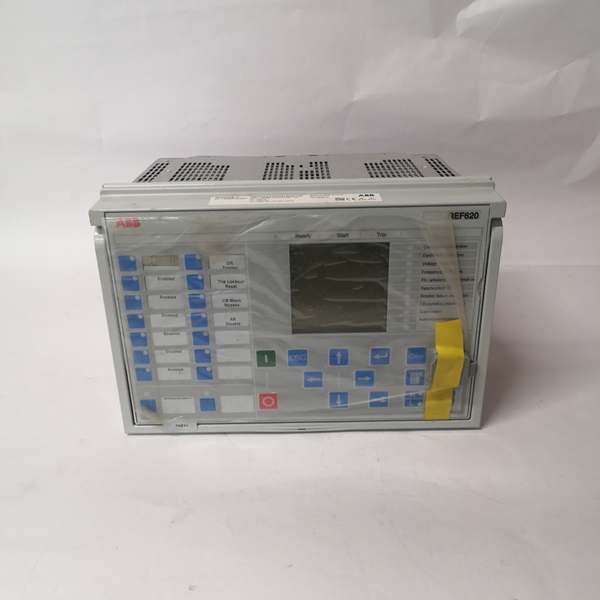
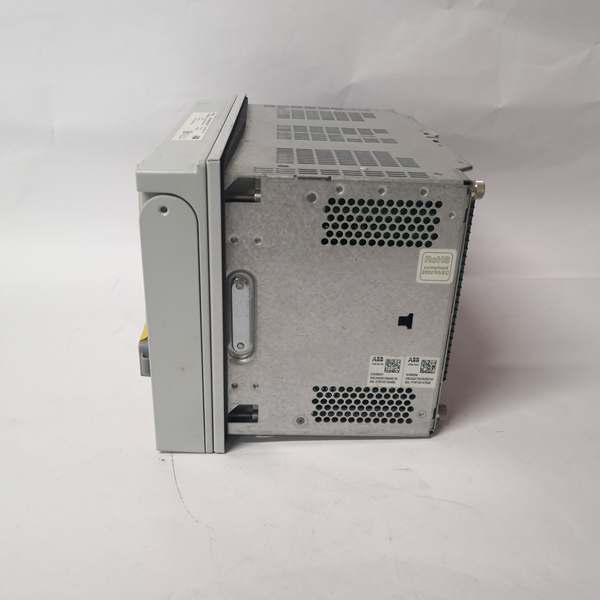
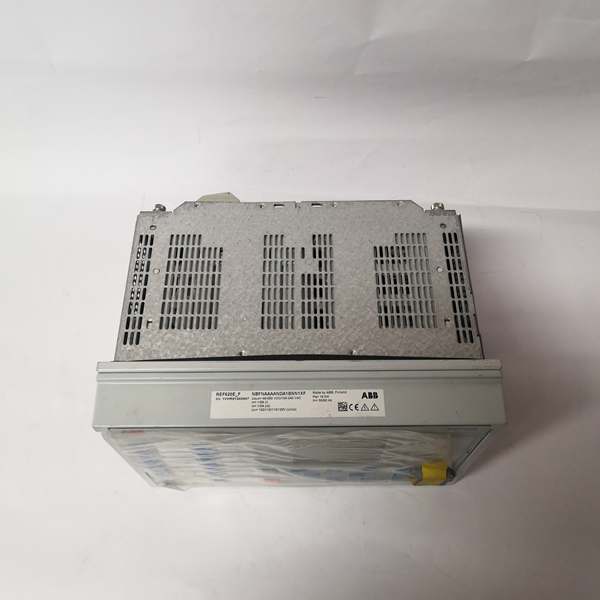
ABB REF620 NBFNAAAANDC6BBN1XF | Medium Voltage Feeder Protection & Control Module

  • Model: REF620 NBFNAAAANDC6BBN1XF
  • Alt. P/N: N/A (Specific configuration variant)
  • Series: ABB Relion 620 Series
  • Type: Feeder Protection & Control Relay (Medium Voltage)
  • Key Feature: Integrated arc flash detection, motor protection (46, 50/51, 50N/51N), IEC 61850 Ed. 2.0 compliance
  • Primary Use: Protecting overhead lines, cable feeders, and busbar systems in distribution substations & industrial plants
Manufacturer:
Part number: ABB REF620 NBFNAAAANDC6BBN1XF
Our extensive catalogue, including : ABB REF620 NBFNAAAANDC6BBN1XF , is available now for dispatch to the worldwide.

Description

Key Technical Specifications
  • Model Number: REF620 NBFNAAAANDC6BBN1XF
  • Manufacturer: ABB
  • Product Type: Medium Voltage Feeder Protection Relay
  • Protection Functions: Overcurrent (50/51), Earth Fault (50N/51N), Negative Sequence (46), Thermal Overload (49), Voltage Protection (27/59)
  • Arc Protection: Integrated arc flash detection (optional, supports IEC 62271-200)
  • Communication Protocols: IEC 61850 Ed. 2.0 (GOOSE, MMS), Modbus TCP, DNP3.0, IEC 60870-5-103
  • Operating Voltage: 110-240V AC/DC (nominal), 88-300V AC/DC (range)
  • Operating Temperature: -40°C to +70°C (-40°F to +158°F)
  • Humidity Tolerance: 95% non-condensing
  • Housing Protection: IP54 (front panel), IP20 (terminal block)
  • Mounting: Panel mount or DIN-rail (configurable)
  • Dimensions: 177.5 x 142.5 x 125.5 mm (H x W x D)
  • Weight: ~1.2 kg
  • Certifications: UL 508, IEC 60255-1, IEC 61000-6-5, CE

    ABB REF620 NBFNAAAANDC6BBN1XF
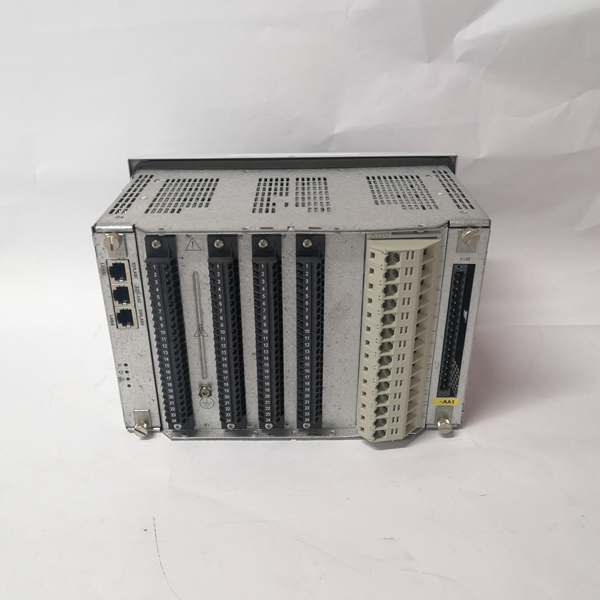
    ABB REF620 NBFNAAAANDC6BBN1XF
Source: ABB Relion 620 Series Datasheet, REF620 Product Manual
Field Application & Problem Solved
ABB REF620 NBFNAAAANDC6BBN1XF is a compact, high-performance feeder relay designed to protect medium-voltage distribution networks—including overhead lines, cable feeders, and busbars—in utility substations and industrial plants. Its core value lies in combining multiple protection functions into a single device, eliminating the need for separate overcurrent, earth fault, and arc flash relays. This reduces wiring complexity, saves panel space, and minimizes the risk of misconfiguration.
For example, in a utility substation feeding a residential area, the REF620 can protect three overhead feeders simultaneously. Its integrated arc flash detection (optional) alerts operators to dangerous fault currents before they cause equipment damage, while thermal overload protection prevents motor burnout in nearby pump stations. The relay’s IEC 61850 compliance enables seamless integration with substation automation systems, allowing remote monitoring and control via a SCADA interface.
In industrial settings—like a steel mill or chemical plant—the REF620 safeguards critical feeders to motors, transformers, and process equipment. Its negative sequence protection (46) detects unbalanced loads (e.g., from faulty motors), while voltage protection (27/59) prevents damage from undervoltage or overvoltage conditions. The relay’s compact size makes it ideal for space-constrained panels, and its -40°C to +70°C operating range ensures reliability in harsh environments like outdoor substations or factory floors.
The main problem it solves is reducing downtime and maintenance costs​ by consolidating multiple protection functions into one device. Instead of troubleshooting three separate relays for overcurrent, earth fault, and arc flash, operators can diagnose issues with a single device. This also simplifies commissioning—engineers can configure all protection parameters via the relay’s LCD screen or ABB’s PCM600 software, cutting setup time by 30-50% compared to using multiple relays.
Another key benefit is enhanced safety. The relay’s arc flash detection uses light sensors to identify fault currents within milliseconds, triggering an alarm or trip before the arc can cause an explosion. This is critical in environments where arc flashes pose a risk to personnel, like high-voltage switchgear rooms. For industrial plants handling flammable materials, this feature alone can prevent catastrophic accidents and costly downtime.
Overall, the REF620 NBFNAAAANDC6BBN1XF is a versatile solution for any application requiring reliable, space-saving protection of medium-voltage feeders. Its combination of multiple protection functions, IEC 61850 compliance, and rugged design makes it a top choice for utilities and industrial facilities worldwide.
Installation & Maintenance Pitfalls (Expert Tips)
Installing and maintaining the REF620 NBFNAAAANDC6BBN1XF requires attention to detail to ensure optimal performance. Here are some common pitfalls to avoid, based on field experience:
1. Incorrect Wiring for Arc Flash Sensors
The optional arc flash detection feature uses light sensors mounted near the circuit breaker. A common mistake is wiring these sensors to the wrong terminals or using the wrong type of cable (e.g., unshielded instead of shielded). This can cause false alarms or missed detections. Always refer to the relay’s wiring diagram and use shielded twisted-pair cable for sensor connections. Ground the shield at one end only (preferably the relay cabinet) to avoid ground loops.
2. Ignoring Environmental Ratings
The relay is rated for -40°C to +70°C, but some users install it in enclosed cabinets without proper ventilation. This can cause the relay to overheat, leading to premature failure. Always ensure the cabinet has adequate airflow (e.g., fans or vents) and that the ambient temperature does not exceed the relay’s specifications. For outdoor installations, use a weatherproof enclosure rated for the local climate.
3. Misconfiguring Communication Protocols
The REF620 supports multiple communication protocols (IEC 61850, Modbus, DNP3), but misconfiguring them can prevent the relay from integrating with SCADA systems. A common mistake is using the wrong baud rate or parity setting for Modbus RTU. Always verify the protocol settings with the system integrator before commissioning. Use ABB’s PCM600 software to configure communication parameters—this ensures consistency with the relay’s firmware.
4. Skipping Firmware Updates
ABB regularly releases firmware updates for the REF620 to fix bugs and add new features. Some users skip these updates, leaving the relay vulnerable to security threats or performance issues. Always check for firmware updates via the relay’s web interface or PCM600 software. Install updates during scheduled maintenance to avoid disrupting operations.
5. Not Testing Arc Flash Detection
The optional arc flash detection feature is critical for safety, but some users do not test it after installation. This can lead to false confidence in the system. Always perform a functional test of the arc flash sensors using a simulated fault current (per IEC 62271-200). Document the test results and repeat them annually to ensure the feature is working correctly.

ABB REF620 NBFNAAAANDC6BBN1XF

ABB REF620 NBFNAAAANDC6BBN1XF
6. Overlooking Grounding Requirements
The relay requires proper grounding to ensure accurate measurements and protect against electrical noise. A common mistake is connecting the ground terminal to a dirty or corroded busbar. Always clean the ground busbar before connecting the relay and use a dedicated ground cable (minimum 10 AWG) for each relay. For panels with multiple relays, use a star grounding configuration to avoid ground loops.
By following these tips, you can ensure the REF620 NBFNAAAANDC6BBN1XF operates reliably and provides maximum protection for your medium-voltage feeders. Always refer to the relay’s manual for detailed installation and maintenance instructions.