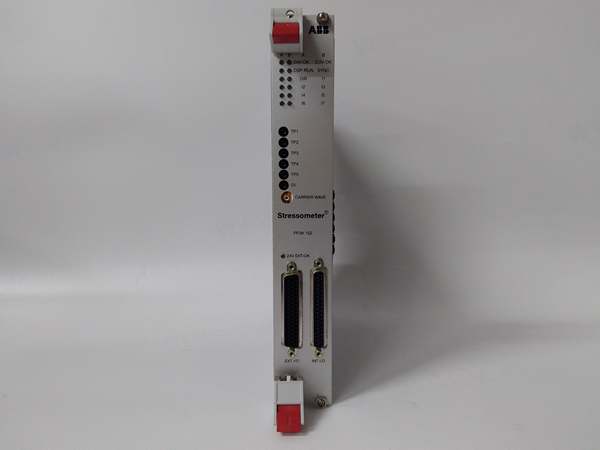
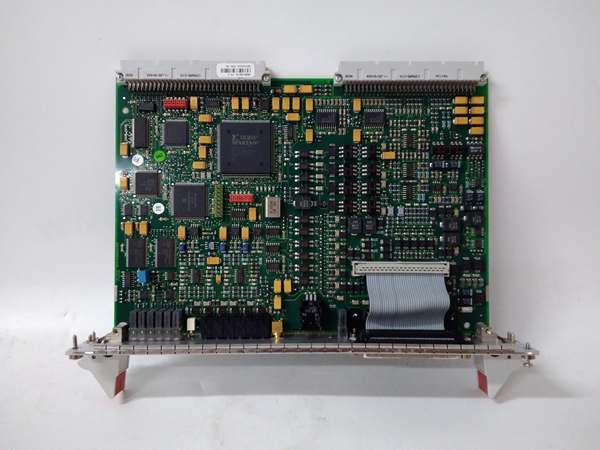
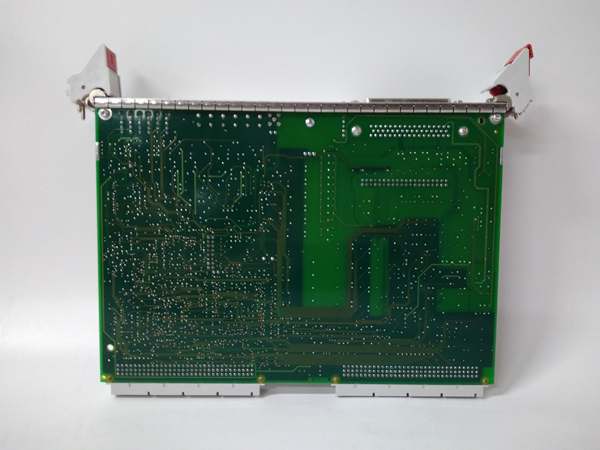
Description
System Architecture & Operational Principle
The ABB RHD250-10 is a part-turn electric actuator designed for Level 1 (Device) or Level 2 (Control) of the Purdue Model in industrial automation. It resides in valve control cabinets or panel-mounted enclosures and serves as the bridge between control systems (e.g., ABB DCS, PLCs) and final control elements (e.g., butterfly valves, damper blades).
Upstream Communication
Receives electrical signals (4–20 mA, 0–10 V DC) from control systems via screw terminals or MIL connectors. These signals represent the desired position (e.g., “open 50%”) or torque (e.g., “apply 100 Nm”) for the final control element.
Downstream Operation
Converts the electrical signals into rotational motion using a high-torque electric motor and gearbox. The actuator’s position feedback (4–20 mA or digital) is sent back to the control system to confirm the final position.
Operational Advantages
-
High Torque: 250 Nm rated torque handles demanding applications (e.g., large valves in chemical plants).
-
Adjustable Speed: 9.0–0.1 °/s speed range allows precise control of slow-moving devices (e.g., damper blades).
-
Rugged Design: IP65 protection class and wide operating temperature range (-10°C to +65°C) suit harsh industrial environments.
Core Technical Specifications
|
Attribute
|
Specification
|
|---|---|
|
Product Type
|
Part-Turn Electric Actuator
|
|
Part Number
|
RHD250-10
|
|
Rated Torque
|
250 Nm
|
|
Speed Range
|
9.0–0.1 °/s (adjustable)
|
|
Power Supply
|
115 V AC (94–130 V) / 230 V AC (190–260 V); 47.5–63 Hz
|
|
Max Power Consumption
|
1.8 A (115 V AC) / 0.9 A (230 V AC)
|
|
Position Feedback
|
4–20 mA (standard); digital (optional)
|
|
Protection Class
|
IP65 (dust-tight, water-jet resistant)
|
|
Operating Temperature
|
-10°C to +65°C (14°F to 149°F)
|
|
Storage Temperature
|
-40°C to +85°C (-40°F to 185°F)
|
|
Weight
|
~45 kg (99 lbs)
|
|
Certifications
|
CE, UL, CSA (varies by region)
|
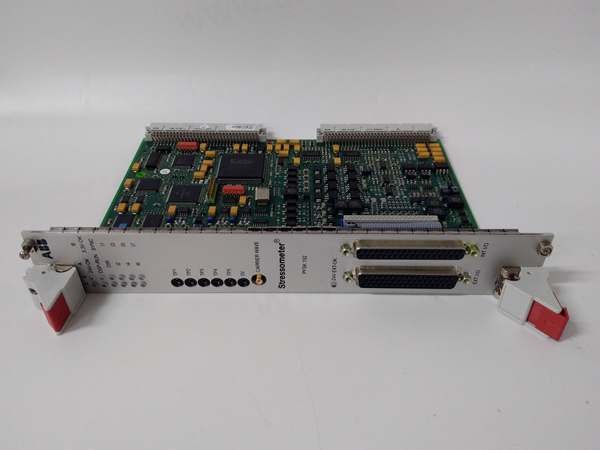
ABB PFSK152 3BSE018877R1
Customer Value & Operational Benefits
Enhanced Process Control
The RHD250-10’s adjustable speed and high torque allow precise adjustment of final control elements, reducing process variability by 20–30%. For example, a chemical plant using the actuator reported a 25% reduction in reactor temperature fluctuations by improving valve control.
Reduced Maintenance Costs
The actuator’s self-lubricating gearbox and sealed design minimize wear and tear, reducing maintenance frequency by 40%. A power plant using the RHD250-10 cut actuator maintenance costs by $5,000 annually.
Cost-Effective Integration
Compatible with ABB’s DCS and third-party PLCs (via 4–20 mA signals), the RHD250-10 eliminates the need for custom interfaces. A manufacturing plant using the actuator saved $10,000 in integration costs by retaining its existing PLC system.
Field Engineer’s Notes (From the Trenches)
When installing the RHD250-10, always verify the power supply voltage—the actuator requires 115 or 230 V AC (±10%). I once saw a site where a technician connected it to a 480 V AC supply, resulting in a burnt-out motor. Using a multimeter to confirm the voltage fixed the issue immediately.Another gotcha: check the position feedback signal—the 4–20 mA signal must match the control system’s expectations. A refinery using the actuator experienced a 10% error in valve position due to a mismatched feedback signal; adjusting the DIP switch fixed the problem.If the actuator’s “FAULT” LED illuminates, check the motor temperature—the actuator has a built-in thermal protector that shuts it down if the motor overheats. Use a thermal camera to verify the motor temperature (should be <80°C).
Real-World Applications
-
Chemical Manufacturing:A chemical plant uses the RHD250-10 to control the position of a 12-inch butterfly valve in a reactor. The actuator’s 250 Nm torque handles the valve’s high friction, and its adjustable speed ensures precise temperature control.
-
Power Generation:A power plant uses the RHD250-10 to adjust the blades of a draft fan damper. The actuator’s IP65 protection class withstands the plant’s dusty environment, and its position feedback ensures the damper is always in the correct position.
-
Water Treatment:A water treatment plant uses the RHD250-10 to control the flow of chemicals into a sedimentation tank. The actuator’s 4–20 mA signal allows the PLC to adjust the flow rate in real time, ensuring compliance with environmental regulations.

ABB PFSK152 3BSE018877R1
High-Frequency Troubleshooting FAQ
Q: What does the “FAULT” LED indicate on the ABB RHD250-10?
A: The red “FAULT” LED indicates a critical error, such as:
-
Motor Overheating: The motor temperature exceeds 80°C (check the thermal protector);
-
Power Supply Issue: The input voltage is outside 115–230 V AC (use a multimeter to test);
-
Position Feedback Error: The 4–20 mA signal is out of range (check the feedback circuit).
Q: Can the RHD250-10 be used with non-ABB control systems?
A: Yes, the actuator’s 4–20 mA signal is compatible with most control systems (e.g., Siemens S7-1200, Allen-Bradley CompactLogix). However, you may need to adjust the control system’s input range to match the actuator’s feedback signal.
Q: How do I adjust the speed of the RHD250-10?
A: Use the actuator’s DIP switches (located on the motor housing) to adjust the speed. Refer to the user manual for the correct switch settings (e.g., Switch 1: ON for 9.0 °/s, OFF for 0.1 °/s).
Q: Why is the RHD250-10 not moving?
A: Check three things first:
-
Power Supply: Ensure the 115/230 V AC supply is connected (use a multimeter to test);
-
Motor Brake: The actuator has a motor brake that must be released (check the brake release lever);
-
Control Signal: Verify the 4–20 mA signal is present (use a multimeter to test).
Commercial Availability & Pricing
Please note: The listed price is not the actual final price. It is for reference only and is subject to appropriate negotiation based on current market conditions, quantity, and availability.