Description
UFC789AE101: Product Overview
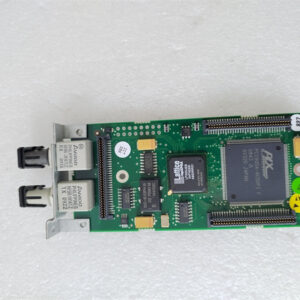
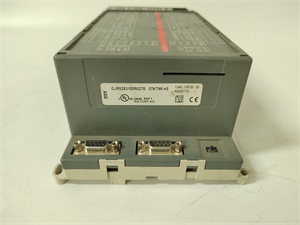
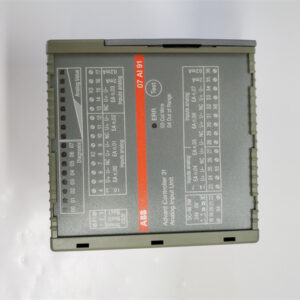
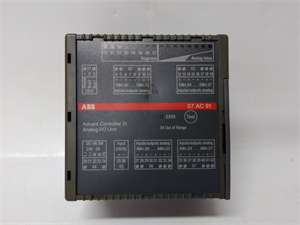
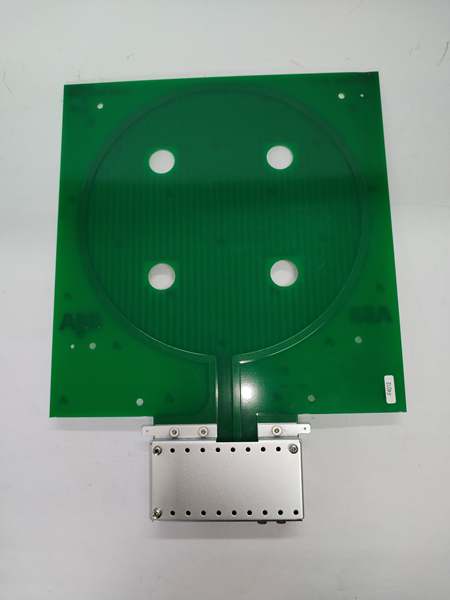
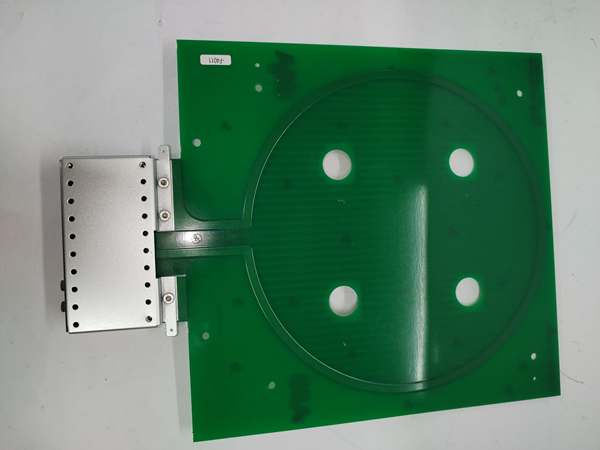
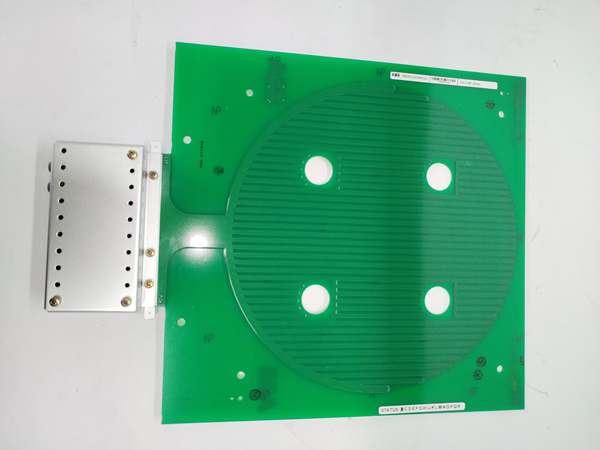
The ABB UFC789AE101 is an industrial control module designed for ABB’s AC 800M distributed control system (DCS), a flagship platform for mission-critical process automation. As a critical component of the AC 800M ecosystem, it acts as a fault-tolerant controller or FSCD-board (Field Signal Conditioning and Distribution), providing reliable signal processing, communication, and control for industries like power generation, chemical processing, and manufacturing.
Role in Automation Systems:
Positioned as a “local control node,” the UFC789AE101 bridges the gap between field devices (e.g., sensors, actuators) and the central DCS controller. It performs three primary functions:
-
Signal Conditioning: Filters and amplifies weak analog signals from field devices (e.g., 4–20 mA pressure sensors) to ensure accurate transmission to the controller.
-
Fault Tolerance: Detects and recovers from faults (e.g., overcurrent, overvoltage) to maintain uninterrupted operation of critical processes.
-
Communication Hub: Supports multiple industrial protocols (RS-485, Modbus RTU, Ethernet) to seamlessly connect with the AC 800M controller and third-party systems.
Core Functionality:
-
Fault-Tolerant Design: Features dual-core processing and triple-network redundancy (PROFIBUS, Ethernet, MODBUS) to eliminate single points of failure.
-
Wide Operating Temperature Range: Suitable for harsh industrial environments (e.g., power plants, chemical refineries) with temperatures from -20°C to +60°C.
-
Easy Integration: Plug-and-play compatibility with ABB’s AC 800M DCS reduces setup time and effort for engineers.
Platform Benefits (AC 800M Series):
The UFC789AE101 leverages ABB’s AC 800M platform, which is renowned for:
-
Scalability: Supports expansion with additional I/O modules or communication interfaces to accommodate growing operational needs.
-
Reliability: Industrial-grade components and a rugged design ensure 24/7 operation in harsh environments.
-
Diagnostic Capabilities: Built-in status LEDs and fault logging simplify troubleshooting, reducing mean time to repair (MTTR).

ABB UFC789AE101
Technical Specifications
Model Number: UFC789AE101
Manufacturer: ABB
Product Type: Industrial Control Module
-
Input Voltage: 24V DC (nominal)
-
Output Current: 2A (max per channel)
-
Communication Protocols: RS-485, Modbus RTU, Ethernet (10/100 Mbps)
-
Operating Temperature: -20°C to +60°C (standard); -40°C to +85°C (optional)
-
Storage Temperature: -40°C to +85°C
-
Humidity: 5% to 95% non-condensing
-
Dimensions (W×H×D): 100 mm × 75 mm × 20 mm (3.94 in × 2.95 in × 0.79 in)
-
Weight: 0.5 kg (1.1 lbs)
-
Protection Rating: IP20 (front panel); IP30 (optional, conformal coating)
-
Certifications: CE, UL, RoHS
Core Features & Customer Value
1. Fault-Tolerant Operation:
The UFC789AE101’s dual-core processing and triple-network redundancy ensure uninterrupted operation even if one component fails. For example, in a power plant, this module can maintain control of turbine speed during a communication failure, preventing unplanned downtime.
2. Wide Environmental Tolerance:
The module’s operating temperature range (-20°C to +60°C) and optional IP30 rating make it suitable for harsh industrial environments. In a chemical refinery, this means reliable operation near high-temperature reactors or corrosive atmospheres.
3. Seamless Integration with AC 800M:
Plug-and-play compatibility with ABB’s AC 800M DCS reduces setup time and effort. Engineers can use ABB’s Control Builder M software to configure the module as part of a larger control system, simplifying system design.
4. Robust Protection:
The module’s overcurrent, overvoltage, and thermal overload protection safeguard both the module and connected devices. In a manufacturing plant, this prevents damage to sensitive control equipment from power surges.
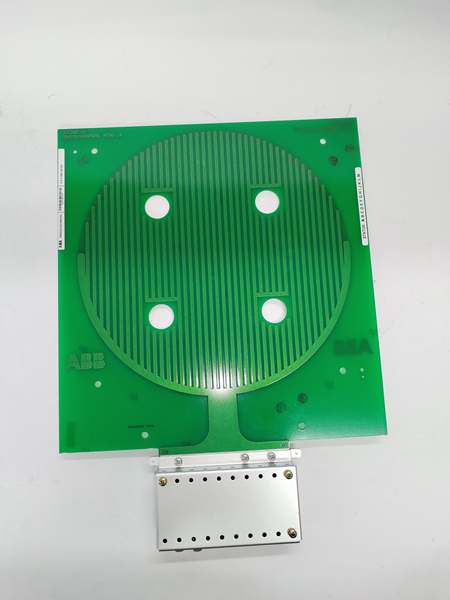
ABB UFC789AE101
Typical Applications
The ABB UFC789AE101 is widely used in industries requiring reliable control and fault tolerance:
-
Power Generation:
-
Controls turbine speed and fuel flow in thermal power plants.
-
Example: In a coal-fired power plant, the module adjusts the speed of a turbine to maintain optimal efficiency, even during load changes.
-
-
Chemical Processing:
-
Monitors pressure and temperature in chemical reactors.
-
Example: In a petrochemical refinery, the module processes signals from a pressure sensor to adjust the flow of reactants, maintaining consistent product quality.
-
-
Manufacturing:
-
Controls conveyor belts and robotic arms in automotive assembly lines.
-
Example: In an automotive factory, the module coordinates the movement of a robotic arm to pick up a car door, synchronizing with other assembly processes.
-