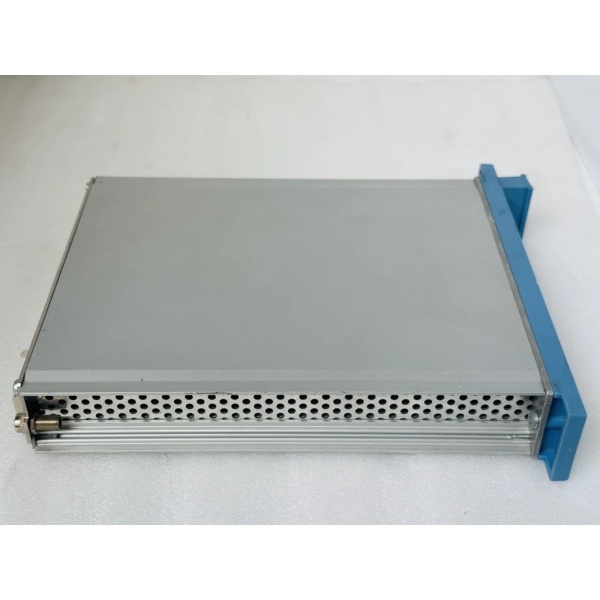
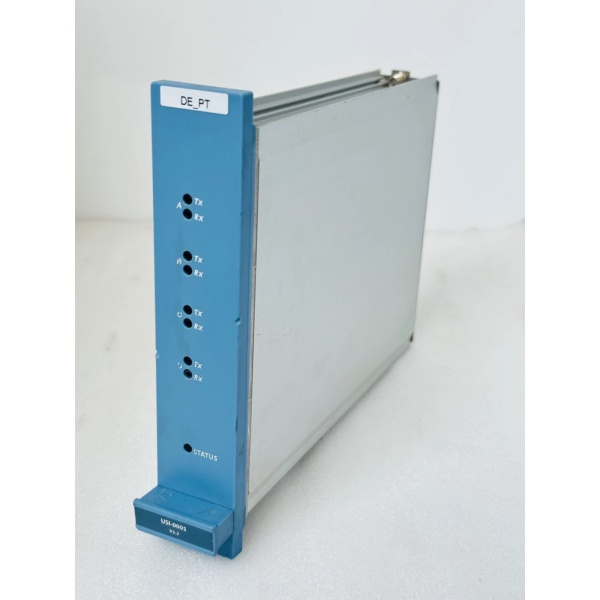
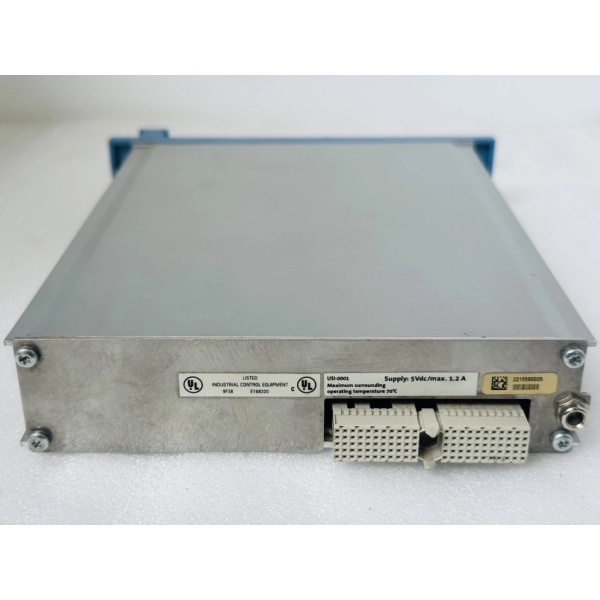
Description
System Architecture & Operational Principle
The Honeywell L404F1235/U is an electromechanical pressure switch within the Honeywell L404 Series, designed for Level 1 (Device) of the Purdue Model in industrial automation. It resides in control panels or field enclosures and serves as the bridge between pressure sensing elements (e.g., diaphragms, bourdon tubes) and control systems (e.g., PLCs, DCS).
Upstream Communication
Receives pressure signals from the process medium (e.g., steam, air, non-corrosive gas) via a 1/4″ BSPT threaded connection. The pressure acts on a stainless steel diaphragm (or brass bellows for higher pressures), which moves a mechanical linkage to trigger the switch contacts.
Downstream Communication
Transmits electrical signals (SPDT: Single Pole Double Throw) to control devices:
-
Normally Closed (NC): Opens when pressure exceeds the setpoint (e.g., triggering an alarm for overpressure).
-
Normally Open (NO): Closes when pressure drops below the setpoint (e.g., starting a pump for low pressure).
The switch uses a snap-acting mechanism (for L404F models) to ensure rapid contact switching, minimizing arcing and extending lifespan.
Operational Advantages
-
Rugged Construction: Stainless steel or brass wetted parts resist corrosion from non-corrosive media (e.g., steam, air, distilled water).
-
Adjustable Setpoint: The pressure setpoint is adjustable via a screw on the top of the case, allowing field calibration.
-
Wide Temperature Range: Operates reliably in -20°C to +65°C environments, suitable for harsh industrial settings (e.g., refineries, chemical plants).
Core Technical Specifications
|
Attribute
|
Specification
|
|---|---|
|
Pressure Range
|
20–300 psi (138–2068 kPa)
|
|
Thread Size
|
1/4″ BSPT (British Standard Pipe Thread)
|
|
Contact Type
|
SPDT (Single Pole Double Throw)
|
|
Contact Rating
|
15A @ 120V AC (resistive); 10A @ 240V AC (resistive)
|
|
Operating Temperature
|
-20°C to +65°C (-4°F to 149°F)
|
|
Storage Temperature
|
-40°C to +85°C (-40°F to 185°F)
|
|
Humidity Tolerance
|
5–95% non-condensing
|
|
Wetted Materials
|
Stainless steel (diaphragm); brass (bellows); aluminum (case)
|
|
Switch Mechanism
|
Snap-acting (for L404F models)
|
|
Setpoint Adjustment
|
Via screw on top of the case (±10% of range)
|
|
Certifications
|
CE, UL, CSA
|
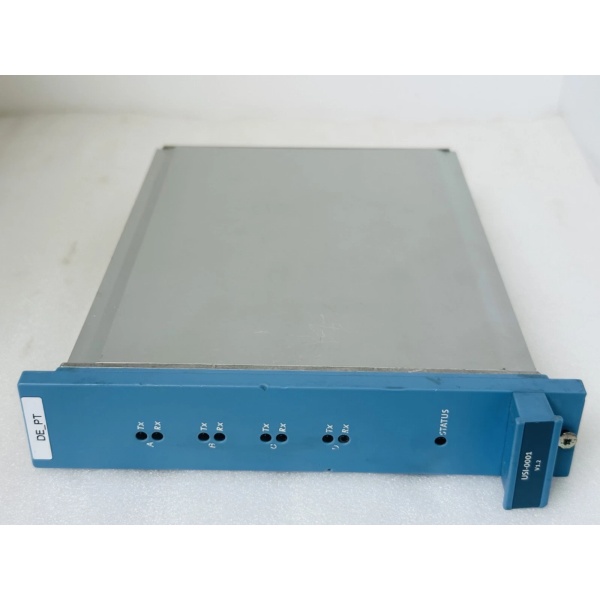
Honeywell FC-USI-0002
Customer Value & Operational Benefits
Reliable Pressure Monitoring
The L404F1235/U’s stainless steel diaphragm and snap-acting switch ensure accurate pressure detection, even in high-vibration environments. For example, a chemical plant using the switch to monitor reactor pressure reported a 99.9% uptime, preventing overpressure incidents.
Cost-Effective Control
The SPDT contacts eliminate the need for additional relays, reducing installation costs. A power plant using the switch to control boiler feedwater pumps saved $5,000 in relay costs.
Easy Field Calibration
The adjustable setpoint allows technicians to calibrate the switch in the field, reducing downtime. A refinery using the L404F1235/U reduced calibration time by 50% compared to fixed-setpoint switches.
Compliance with Industry Standards
The switch’s CE, UL, and CSA certifications ensure it meets global safety requirements, making it suitable for export-oriented manufacturers.
Field Engineer’s Notes (From the Trenches)
When installing the L404F1235/U, always use a thread sealant (e.g., Teflon tape) on the BSPT threads to prevent leaks. I once saw a site where a contractor forgot to use sealant, resulting in a steam leak that damaged the switch.Another gotcha: verify the contact rating—the switch is rated for 15A resistive, but inductive loads (e.g., motors) require derating. I’ve fixed countless “contact welding” issues by adding a relay for inductive loads.If the switch’s “FAULT” LED is red (if equipped), check the diaphragm—a cracked diaphragm will cause the switch to malfunction. Replace the diaphragm if it shows signs of wear.
Real-World Applications
-
Chemical Plant: Reactor Pressure ControlAn oil refinery uses the L404F1235/U to monitor the pressure of its crude oil distillation columns. The switch triggers an alarm when pressure exceeds 250 psi, allowing operators to adjust the reflux ratio and prevent overpressure.
-
Power Plant: Boiler Feedwater Pump ControlA coal-fired power plant uses the L404F1235/U to control its boiler feedwater pumps. The switch starts the pump when pressure drops below 20 psi, ensuring a consistent water supply to the boiler.
-
HVAC System: Chiller Pressure MonitoringA commercial building uses the L404F1235/U to monitor the pressure of its chilled water system. The switch triggers an alarm when pressure exceeds 150 psi, indicating a potential leak in the system.

Honeywell FC-USI-0002
High-Frequency Troubleshooting FAQ
Q: What does a “no contact closure” error indicate on the L404F1235/U?
A: A “no contact closure” error usually means:
-
Pressure Setpoint: The pressure has not reached the setpoint (adjust the setpoint screw).
-
Diaphragm Damage: The diaphragm is cracked or worn (replace the diaphragm).
-
Contact Corrosion: The contacts are corroded (clean with a contact cleaner).
Q: Can the L404F1235/U be used with corrosive media?
A: No, the L404F1235/U is designed for non-corrosive media (e.g., steam, air, distilled water). For corrosive media (e.g., acids, alkalis), use a Hastelloy or Monel diaphragm.
Q: How do I replace the L404F1235/U?
A: Follow these steps:
-
Shut Down: Turn off the process and relieve pressure from the switch.
-
Remove: Unscrew the switch from the pipe using a BSPT wrench.
-
Install: Screw the new switch into the pipe (use thread sealant).
-
Calibrate: Adjust the setpoint screw to the desired pressure.
-
Test: Apply pressure to verify contact closure.
Q: Why is the L404F1235/U leaking?
A: Leaks are usually caused by:
-
Thread Sealant: No sealant was used (apply Teflon tape).
-
Damaged Threads: The BSPT threads are stripped (replace the switch).
-
Diaphragm Failure: The diaphragm is ruptured (replace the diaphragm).
Commercial Availability & Pricing
Please note: The listed price is not the actual final price. It is for reference only and is subject to appropriate negotiation based on current market conditions, quantity, and availability.