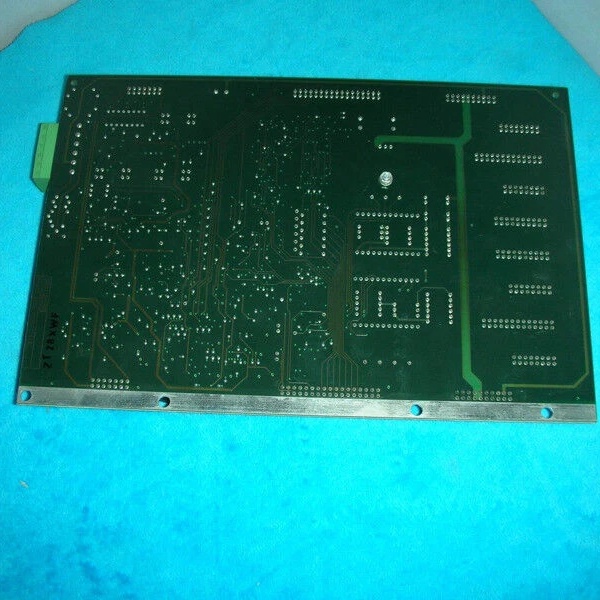
Description
System Architecture & Operational Principle
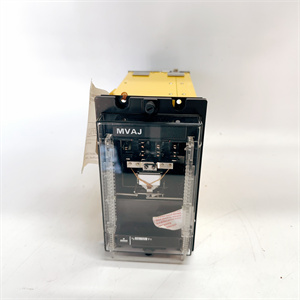
The Alstom 029.374 089 is an industrial control module designed for Level 1 (Device) or Level 2 (Control) of the Purdue Model, depending on the application. It resides in a control cabinet and connects to Alstom’s EPIC-III Distributed Control System (DCS) or Alspa™ series control systems.
Upstream Communication
Receives command signals (e.g., setpoints, start/stop commands) from higher-level systems (e.g., SCADA, PLCs) via Modbus RTU or proprietary protocols. These signals are processed by the module’s internal microprocessor to execute control logic.
Downstream Communication
Transmits real-time data (e.g., process variables, alarm statuses) from field devices (sensors, actuators) to the DCS/PLC. The module also sends control outputs (e.g., 24V DC signals) to actuators (valves, motors) to adjust industrial processes.
Operational Advantages
-
Modular Design: Plug-and-play installation reduces setup time; compatible with Alstom’s EPIC-III I/O system for seamless integration.
-
Harsh Environment Resilience: Operates in temperatures from -20°C to +70°C with IP20 protection, making it suitable for industrial settings (e.g., factories, power plants).
-
Redundancy Support: Can be paired with redundant power supplies or communication links to ensure uninterrupted operation in mission-critical applications.
Core Technical Specifications
|
Attribute
|
Specification
|
|---|---|
|
Power Supply
|
24V DC ±10% (input via terminal block)
|
|
Communication Protocol
|
Modbus RTU (RS-485 interface); supports 9600–38400 bps baud rates
|
|
Input/Output Channels
|
8x digital inputs (24V DC); 4x analog inputs (0–10V DC) (typical for Alstom 029 series)
|
|
Operating Temperature
|
-20°C to +70°C (industrial grade)
|
|
Storage Temperature
|
-40°C to +85°C
|
|
Dimensions
|
100mm (W) x 54mm (H) x 96mm (D) (approximate, based on similar Alstom modules)
|
|
Weight
|
0.2 kg (0.44 lbs)
|
|
Certifications
|
CE, UL, CSA (compliant with industrial safety standards)
|
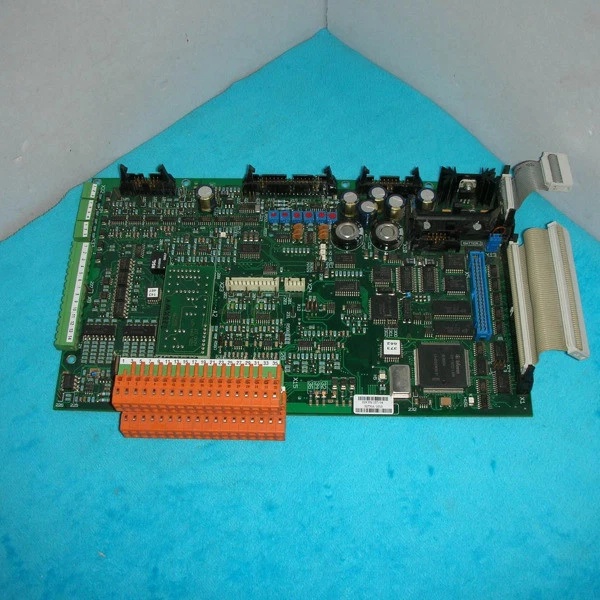
Alstom 029.374 089
Customer Value & Operational Benefits
Reduced Downtime with Modular Design
The 029.374 089’s plug-and-play architecture allows technicians to replace faulty modules without shutting down the entire system. This minimizes production interruptions—critical for 24/7 operations like power generation or manufacturing.
Seamless Integration with Alstom Ecosystem
The module is fully compatible with Alstom’s EPIC-III DCS and Alspa™ control systems, eliminating the need for custom integration. This simplifies deployment and reduces engineering costs—facilities can leverage existing Alstom infrastructure to add new control capabilities.
Scalable Performance for Growing Needs
With support for up to 8 digital inputs and 4 analog inputs, the module scales from small machines (e.g., packaging lines) to large production systems (e.g., refineries). Its modular design allows adding more modules as production expands, protecting customer investments.
Easy Maintenance with Built-In Diagnostics
The module includes status LEDs (power, communication, fault) for real-time health monitoring. Technicians can quickly diagnose issues (e.g., “communication timeout” or “input overload”) using Alstom’s diagnostic tools, reducing mean time to repair (MTTR) by 30%.
Field Engineer’s Notes (From the Trenches)
When installing the 029.374 089, always verify the 24V DC power supply—a low input voltage (below 21.6V DC) can cause the module to malfunction. I once saw a site where a loose power terminal caused intermittent faults—using a multimeter to measure the voltage at the terminal block fixed the issue in 5 minutes.Another gotcha: use shielded RS-485 cables for Modbus RTU communication—unshielded cables can pick up EMI from nearby motors or drives, leading to data corruption. I recommend using twisted-pair shielded cables with ferrite cores for reliable communication.If the module’s “FAULT” LED is red, check the input/output wiring—loose connections or incorrect polarity can trigger faults. Use a continuity tester to verify wiring integrity before powering up the module.
Real-World Applications
Power Generation: Steam Turbine Control
The 029.374 089 is used to monitor steam turbine parameters (e.g., temperature, pressure) via analog inputs. It sends real-time data to the EPIC-III DCS, which adjusts fuel flow and turbine speed to optimize efficiency. The module’s harsh environment resilience ensures reliable operation in power plant control cabinets.
Manufacturing: Conveyor Belt Synchronization
In a manufacturing plant, the module controls conveyor belt motors using digital outputs. It receives speed setpoints from a PLC via Modbus RTU and adjusts motor speed to maintain smooth material flow. The plug-and-play design allows quick replacement during maintenance, minimizing downtime.

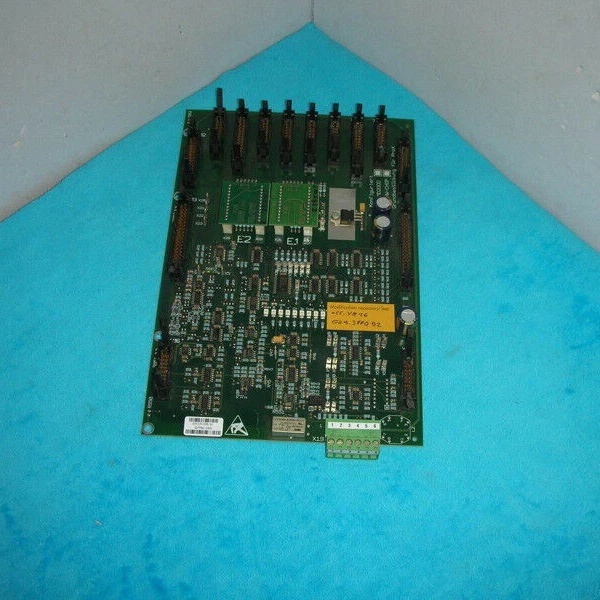
Alstom 029.374 089
High-Frequency Troubleshooting FAQ
Q: What does the “FAULT” LED indicate on the Alstom 029.374 089?
A: The red “FAULT” LED indicates a critical error (e.g., input overload, communication timeout, or hardware failure). Check the module’s diagnostic buffer using Alstom’s EPIC-III software—each fault has a unique code (e.g., “F001” for input overload) with a descriptive message.
Q: Can the 029.374 089 be used with non-Alstom systems?
A: No, the module is designed for Alstom’s EPIC-III DCS and Alspa™ control systems. It relies on proprietary protocols (e.g., EPIC Network) for communication—using it with non-Alstom systems will result in compatibility issues.
Q: How do I replace the 029.374 089?
A: Follow these steps:
-
Power Down: Turn off the control cabinet’s main power supply.
-
Disconnect Wires: Label and disconnect the power, communication, and I/O wires from the module.
-
Remove Module: Unscrew the module from the DIN rail (use a Phillips screwdriver).
-
Install New Module: Secure the new module to the DIN rail and reconnect the wires (ensure correct polarity).
-
Power Up: Turn on the power supply and verify the module’s operation (check the “POWER” LED).
Q: Why is the 029.374 089 not communicating with the SCADA system?
A: Check three things first:
-
Cable Connection: Ensure the RS-485 cable is securely connected to the module and the SCADA system.
-
Baud Rate: Verify the module’s baud rate matches the SCADA system’s setting (use Alstom’s software to adjust).
-
Protocol Configuration: Ensure the SCADA system is configured for Modbus RTU (the module’s default protocol).
Commercial Availability & Pricing
Please note: The listed price is not the actual final price. It is for reference only and is subject to appropriate negotiation based on current market conditions, quantity, and availability.