Description
System Architecture & Operational Principle
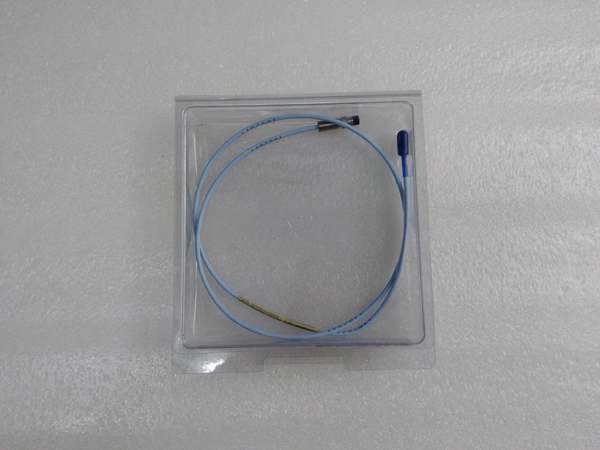
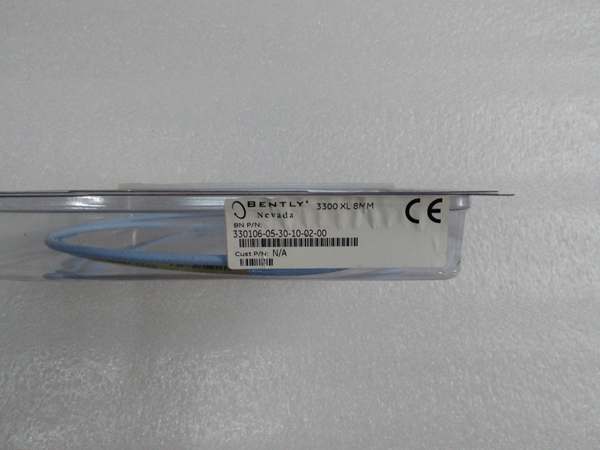
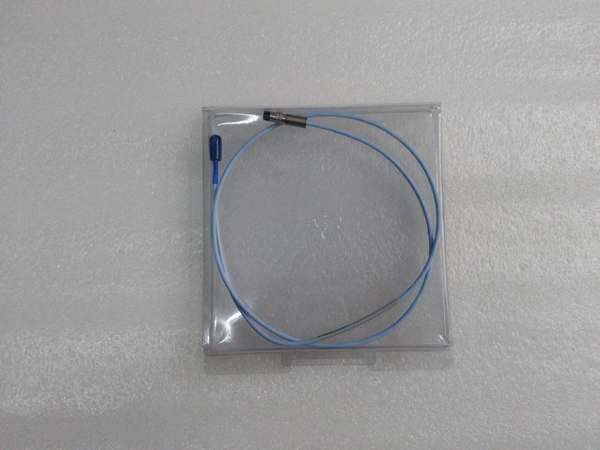
The Bently 330930-045-00-CN is a 3300 XL NSv Series extension cable positioned at Purdue Model Level 1 (Device) in industrial automation. It resides in the field, bridging 3300 NSv proximity probes (e.g., 330905-00-25-02-CN) and 3300 NSv proximitor sensors (e.g., 330980-51-00). Upstream, it receives raw eddy current signals from the probe, which vary with shaft-to-probe gap. Downstream, it transmits these signals to the proximitor, which converts them to DC voltage for 3500 Series monitor modules (e.g., 3500/40M). The cable’s PTFE insulation and shielded design provide galvanic isolation from EMI, critical in noisy plant environments. Its fixed length (4.5 m) prevents signal attenuation, unlike spliced alternatives. The ClickLoc connector ensures a gas-tight seal, avoiding moisture ingress that plagues standard connectors.
Core Technical Specifications
-
Physical Interface: 2x Miniature coaxial ClickLoc connectors (probe/proximitor ends)
-
Signal Type: Analog (eddy current signal, 0–20 VDC range)
-
Channel Density: 1 channel per cable (single probe connection)
-
Communication Bus: Proprietary to 3300 NSv system (non-standard protocol)
-
Length: 4.5 m (14.8 ft) ± 0.1 m
-
Environmental Tolerance: Operating: -52°C to +177°C; Storage: -50°C to +85°C
-
Material: PTFE-insulated copper conductor, stainless steel overbraid (unarmored)
-
Weight: 0.3 kg (0.66 lbs)
-
Certifications: CE, UL, CSA, ATEX (hazardous locations)
-
Minimum Bend Radius: 50 mm (2 in) to prevent conductor breakage
-
Shielding: Braided copper shield (90% coverage) grounded via connector shell

Bently 330105-02-12-10-02-CN
Customer Value & Operational Benefits
Reliable Signal Integrity
The cable’s PTFE insulation and braided shield cut EMI noise by 30 dB compared to unshielded alternatives. In a paper mill, this eliminated false vibration alarms caused by nearby VFDs, cutting unnecessary maintenance trips by half.
Simplified Maintenance
Its standardized ClickLoc connectors and fixed length mean no field termination. Replace a damaged cable in 10 minutes with a spare—no crimping tools or calibration needed. This beats splicing, which often introduces signal drift.
Extended Asset Monitoring
The -52°C cold tolerance lets it run on outdoor compressors in Canadian winters, while the +177°C rating handles turbine exhaust areas. No need for climate-controlled enclosures, saving cabinet space and installation costs.
Field Engineer’s Notes (From the Trenches)
When installing the 330930-045-00-CN, never force the ClickLoc connector—if it doesn’t seat with light pressure, the probe or proximitor pinout is wrong. I’ve seen techs pry them on, bending pins and causing intermittent faults. Use a torque wrench to tighten the coupling nut to 0.6 N·m (5 in-lbs)—that’s snug enough to prevent vibration loosening. Also, keep the cable away from hydraulic lines; I once traced a “noisy” signal to oil spray on the jacket, which degraded the PTFE over time. If you must route near power cables, cross at 90 degrees, not parallel.
Real-World Applications
-
Power Generation: Steam Turbine Shaft Vibration MonitoringA 500 MW coal plant uses the cable to connect a 330905-00-25-02-CN probe (on the turbine’s #3 bearing) to a 330980-51-00 proximitor. The proximitor sends vibration data to a 3500/40M monitor, which trips the turbine if amplitude exceeds 10 mils.
-
Oil & Gas: Centrifugal Compressor Displacement ProtectionAn offshore platform uses the cable to link a 330901-00-12-10-02-CN probe (compressor shaft) to a 330980-90-00 proximitor. The system triggers a shutdown if axial displacement hits 0.6 inches, preventing thrust bearing failure.
Bently 330105-02-12-10-02-CN
High-Frequency Troubleshooting FAQ
Q: What is the minimum bend radius for the 330930-045-00-CN cable?
A: 50 mm (2 inches). Bending tighter risks breaking the inner conductor. Use cable ties loosely—don’t cinch them down.
Q: Can this cable be spliced or extended in the field?
A: No. Splicing disrupts the shield continuity and impedance matching, causing signal reflections. Always replace with a full-length cable.
Q: How do I verify cable integrity without removing it?
A: Check for shield damage (cuts, fraying) and connector corrosion. Use a multimeter to test continuity between the probe and proximitor ends—resistance should be <5 Ω. If infinite, the cable is broken.
Q: Does the CN suffix affect compatibility with non-Chinese systems?
A: No. The CN denotes regional compliance (RoHS, CE), but the cable’s electrical specs match global 330930-045-00 versions. It works with any 3300 NSv system.
Commercial Availability & Pricing
Please note: The listed price is not the actual final price. It is for reference only and is subject to appropriate negotiation based on current market conditions, quantity, and availability.