Description
Key Technical Specifications
-
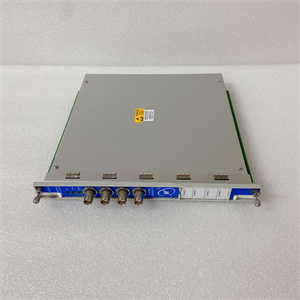
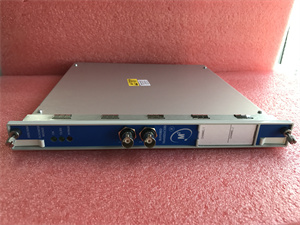
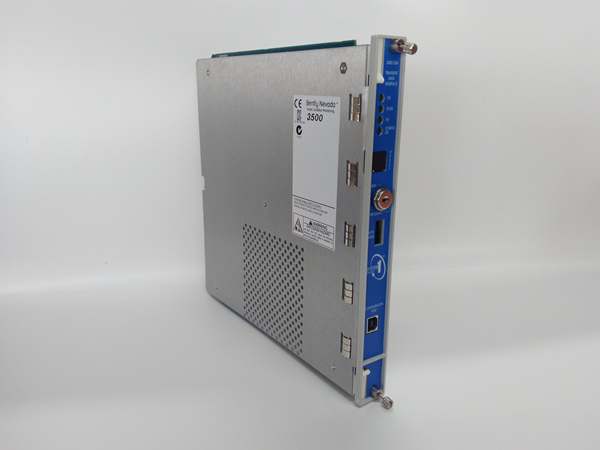
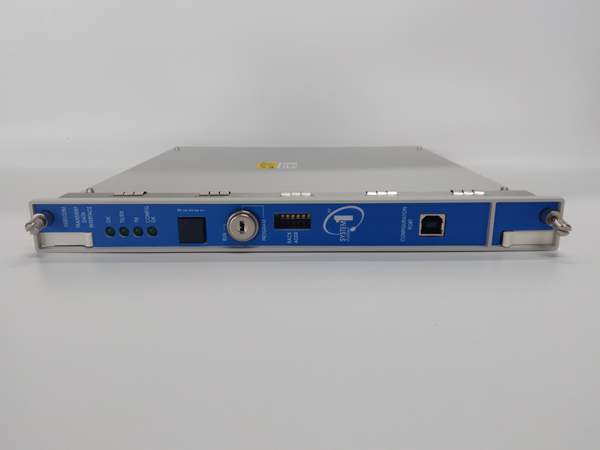
Model Number: 3500/22M-01-01-00
-
Manufacturer: Bently Nevada (Baker Hughes)
-
Channels: 4 independent (configurable for analog/digital inputs)
-
Input Type: Analog (±10V, 4-20mA), digital (contact closure, TTL)
-
Sampling Rate: Up to 1MHz per channel (burst mode for transient events)
-
Event Storage: 256MB non-volatile memory (stores up to 100 transient events)
-
Trigger Sources: 3500 monitor trip signals, external contact inputs, software commands
-
Communication Interfaces: 1x 10/100Mbps Ethernet (TCP/IP, Modbus TCP), 1x RS485 (Modbus RTU)
-
Operating Temperature: 0°C to +65°C (rack-mounted)
-
Storage Temperature: -40°C to +85°C
-
Electrical Isolation: 500Vrms (channel-to-rack, per IEC 60664-1)
-
Dimensions: 119mm x 25mm x 102mm (WxHxD, 3500 half-height slot)
-
Weight: 0.15kg

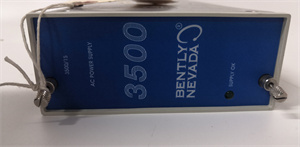
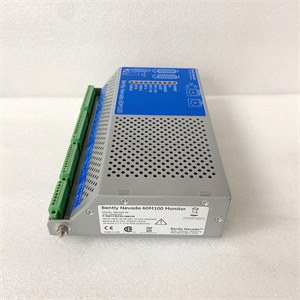
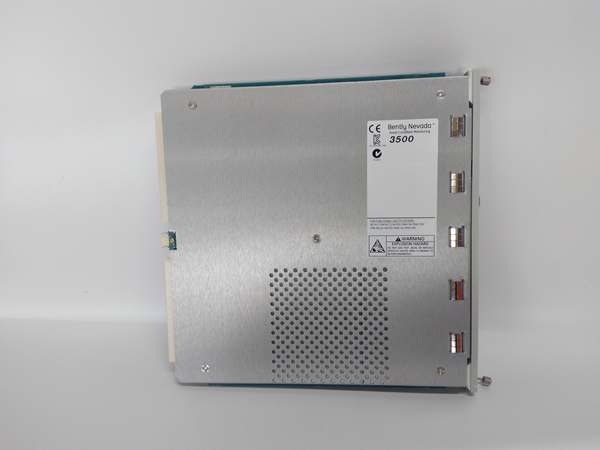
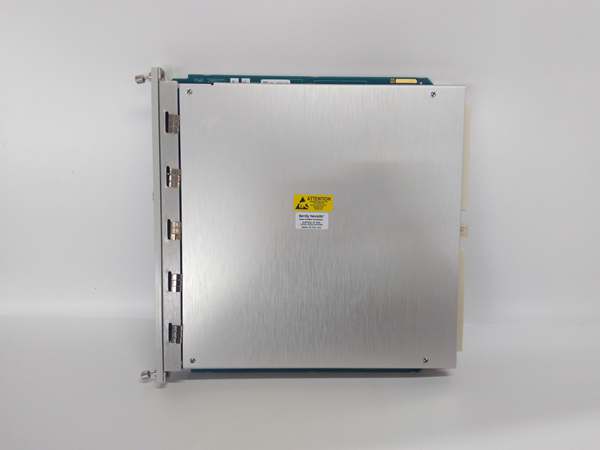
Bently Nevada 3500/22M-01-01-00
Field Application & Problem Solved
In the field, when a machine trips—say a turbine overspeeds or a compressor surges—the 3500 monitor logs the trip but rarely tells you why. You get a “trip” alarm, but the milliseconds of vibration, pressure, or speed data leading up to failure are lost. That’s the biggest headache: guessing the root cause, tearing down equipment, and losing days of production. This TDI module solves that by being a “flight recorder” for machinery. It hooks into the 3500 framework, waits for a trip trigger, then bursts at 1MHz to capture analog/digital signals before and afterthe event. You’ll find it on steam turbines (capturing bearing vibration spikes), gas compressors (recording surge-induced pressure drops), or generators (logging rotor winding faults). Its core value is forensic data: 256MB storage holds 100+ events with nanosecond timestamps, synced to the 3500 clock. For example, in a refinery hydrocracker turbine, it captured a 3ms spike in lube oil pressure beforethe trip—proving a clogged filter, not a rotor issue. The M suffix adds enhanced memory (256MB vs. 128MB base 3500/22), critical for plants with frequent transients.
Installation & Maintenance Pitfalls (Expert Tips)
-
Incorrect Trigger Timing: Rookies set triggers to “on trip,” missing pre-trip data. Configure the 3500/22M to trigger 500ms beforethe trip signal (via 3500 Configuration Software) to capture the event’s onset. I’ve seen a paper mill miss a bearing spall because they started recording too late.
-
Ignoring Sampling Rate Tradeoffs: 1MHz sampling eats memory fast. For slow processes (e.g., pump speed), set channels to 10kHz to extend storage. Reserve 1MHz for high-frequency faults (bearing tones, gear mesh)—this saved a Gulf Coast plant from overwriting critical data.
-
Poor Cable Shielding: The analog inputs are sensitive to EMI. Use shielded twisted-pair (STP) for 4-20mA/±10V signals, and ground shields only at the 3500 rack. In a steel mill, unshielded cables picked up VFD noise, mimicking a 5kHz vibration fault.
-
Skipping Firmware Backups: The 3500/22M’s configuration (trigger rules, channel maps) is stored in flash. Back it up via USB before updates—once, a tech updated firmware mid-shift and lost 6 months of custom settings.
-
Neglecting Event Purge Schedules: The 256MB memory overwrites oldest events when full. Set a monthly purge in Bently System 1 to archive critical events to the plant historian—don’t wait for a full buffer to start deleting.
Bently Nevada 3500/22M-01-01-00
Technical Deep Dive & Overview
The 3500/22M-01-01-00 is a Transient Data Interface (TDI) module for Bently’s 3500 Machinery Protection System, designed to capture high-speed transient data during machine faults. It acts as a “data sentinel”: via the 3500 rack backplane, it polls monitors (e.g., 3500/42M vibration, 3500/40M speed) for real-time values. When a trigger occurs (e.g., overspeed trip), it initiates burst sampling at 1MHz on all 4 channels—analog inputs are digitized via 16-bit ADCs, digital inputs are timestamped. Data is stored in a circular buffer (256MB) with nanosecond resolution, tagged with the 3500 system time. Post-event, it uploads data via Ethernet to Bently System 1, where engineers replay waveforms to pinpoint failure causes. The M suffix enhances memory (256MB) and adds faster upload speeds (20% boost). It mounts in a 3500 half-height slot, drawing 24V DC from the rack power supply. In short, it’s the “black box” of the 3500 system—turning vague trip alarms into actionable failure evidence, so you stop guessing and start fixing.