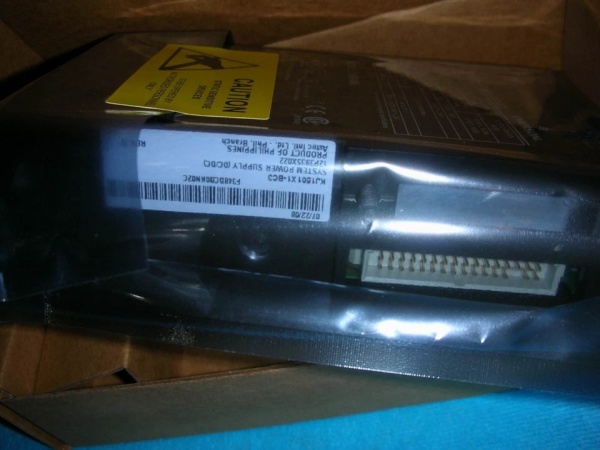
Description
System Architecture & Operational Principle
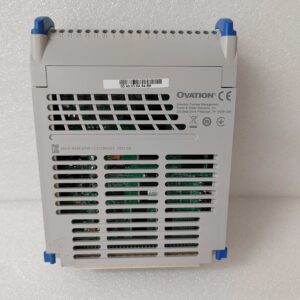
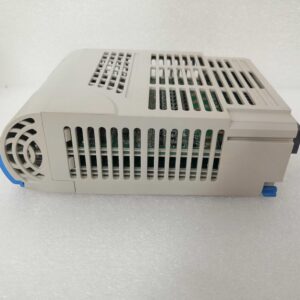
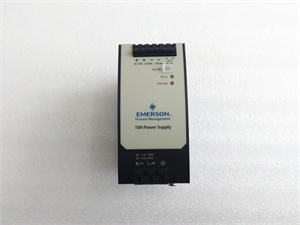
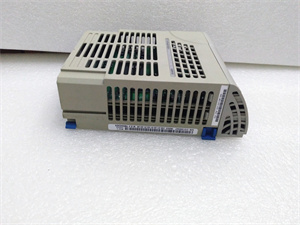
The Emerson VE5009 is a 12/24VDC redundant DC/DC power supply module within the Emerson DeltaV DCS, designed for Level 1 (Device) or Level 2 (Control) of the Purdue Model in industrial automation. It resides in the DeltaV rack (typically in dedicated power slots) and serves as the bridge between plant power supplies (12VDC/24VDC) and DeltaV components (controllers, I/O modules, communication cards).
Upstream Communication
Receives dual redundant power inputs (12VDC or 24VDC) from plant power supplies. The module automatically selects the primary input and switches to the backup input in case of a failure, ensuring uninterrupted power delivery.
Downstream Communication
Transmits regulated 12VDC power to DeltaV controllers (e.g., M-series, S-series), I/O modules (e.g., KJ3203X1-BA1 dry contact inputs), and communication devices (e.g., Ethernet switches). The module’s 1500 V RMS isolation between input and output protects DeltaV components from electrical surges or faults.
Operational Advantages
-
Redundant Power Architecture: Dual input design eliminates single points of failure, critical for safety-critical applications like oil & gas refineries or nuclear power plants.
-
Hot-Swappable Design: Can be replaced without shutting down the DeltaV system, minimizing downtime during maintenance.
-
Wide Input Voltage Range: Accepts 12VDC (11.5–12.6 VDC) or 24VDC (19.2–28.8 VDC), making it compatible with most plant power supplies.
Core Technical Specifications
|
Attribute
|
Specification
|
|---|---|
|
Input Voltage
|
12VDC (11.5–12.6 VDC) or 24VDC (19.2–28.8 VDC) (dual redundant)
|
|
Output Voltage
|
12VDC regulated (±5% tolerance)
|
|
Output Current
|
10A max (8A for controllers, 2A for I/O modules)
|
|
Maximum Output Power
|
120W continuous
|
|
Operating Temperature
|
-40°C to +70°C (-40°F to 158°F)
|
|
Storage Temperature
|
-40°C to +85°C (-40°F to 185°F)
|
|
Humidity Tolerance
|
5–95% non-condensing
|
|
Vibration Resistance
|
1 mm peak-to-peak from 5 Hz to 16 Hz, 0.5 g from 16 Hz to 150 Hz
|
|
Shock Resistance
|
10 g ½-sine wave for 11 ms
|
|
Certifications
|
FM/CSA (Class I, Division 2), ATEX (Zone 2), IECEx, CE, DNV/ABS (marine)
|
|
Mounting
|
T-type DIN rail or DeltaV controller carrier
|
|
Weight
|
~0.9 kg (2 lbs)
|
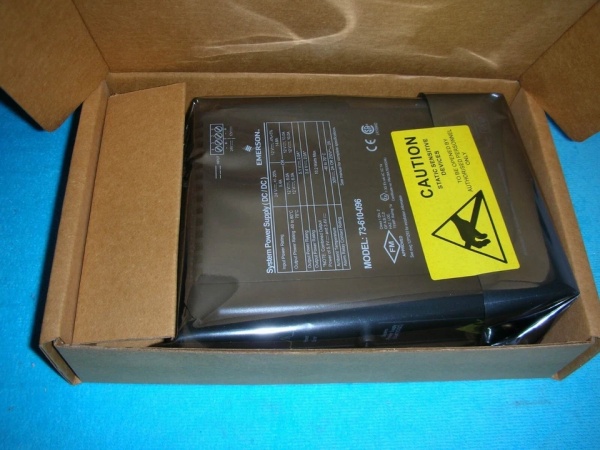
EMERSON VE5009
Customer Value & Operational Benefits
Uninterrupted Process Control
The VE5009’s redundant power architecture ensures that DeltaV systems remain operational even if one power input fails. For example, an offshore oil platform using the VE5009 reported zero downtime during a plant power supply failure, preventing a potential spill.
Reduced Maintenance Costs
The hot-swappable design allows technicians to replace a faulty power supply in minutes without shutting down the DeltaV system. This minimizes production losses—for a chemical plant, this translates to $10,000+ per hour in saved revenue.
Enhanced Safety
The module’s compliance with FM/CSA/ATEX standards makes it suitable for use in hazardous areas (e.g., oil refineries, chemical plants). Its isolation features protect DeltaV components from electrical faults, reducing the risk of fires or explosions.
Cost-Effective Power Management
The VE5009’s wide input voltage range eliminates the need for separate 12VDC/24VDC power supplies, reducing hardware costs and simplifying wiring. Additionally, its high efficiency (≥85%) reduces energy consumption, lowering operational costs.
Field Engineer’s Notes (From the Trenches)
When installing the VE5009, always verify the input voltage—connecting a 24VDC source to the 12VDC input will damage the module. I once saw a site where a contractor mixed up the inputs, resulting in a $5,000 repair bill. Use a multimeter to confirm the input voltage before powering up.Another gotcha: check the DIN rail mounting—the module must be securely fastened to the rail to prevent vibration-induced loosening. I’ve fixed countless “intermittent power” faults by tightening the DIN rail screws.If the module’s “FAULT” LED is red, check the input fuses—the module has internal fuses (10A, 250VDC) that protect against overcurrent. If a fuse blows, replace it with an Emerson-approved fuse (part number KJ1501X1-BC3-FUSE) to avoid damaging the module.
Real-World Applications
-
Oil & Gas: Offshore Platform Power DistributionAn offshore oil platform uses the VE5009 to provide redundant power to its DeltaV DCS. The module’s wide operating temperature range (-40°C to +70°C) accommodates the platform’s outdoor environment, and its marine certifications (DNV/ABS) ensure reliability in saltwater conditions.
-
Chemical Processing: Refinery Control RoomA chemical refinery uses the VE5009 to power its DeltaV controllers and I/O modules. The module’s redundant design prevents downtime during power supply failures, which is critical for processes like catalytic cracking (where a shutdown can cost $100,000+ per hour).
-
Nuclear Power: Safety Instrumented Systems (SIS)A nuclear power plant uses the VE5009 to power its DeltaV SIS, which monitors reactor temperature and pressure. The module’s compliance with FM/CSA standards ensures that it meets the plant’s strict safety requirements.

EMERSON VE5009
High-Frequency Troubleshooting FAQ
Q: What does the “FAULT” LED indicate on the VE5009?
A: The red “FAULT” LED indicates a critical error, such as:
-
Input Overvoltage: The input voltage exceeds 28.8 VDC (24VDC input) or 12.6 VDC (12VDC input).
-
Output Overcurrent: The output current exceeds 10A (e.g., due to a shorted I/O module).
-
Fuse Failure: The internal fuse has blown (check with a multimeter).Check the DeltaV Rack Configuration Software for detailed fault codes and follow the manufacturer’s troubleshooting steps.
Q: Can the VE5009 be used with non-DeltaV systems?
A: No, the module is designed exclusively for Emerson DeltaV systems. It relies on the DeltaV rack’s backplane for communication and power distribution, so using it with non-DeltaV systems will result in compatibility issues.
Q: How do I replace the VE5009?
A: Follow these steps:
-
Power Down: Turn off the DeltaV rack’s main power supply.
-
Remove Old Module: Unscrew the module from the DIN rail (use a Phillips screwdriver).
-
Install New Module: Secure the new VE5009 to the DIN rail and tighten the screws.
-
Power Up: Turn on the main power supply and verify the module’s operation (check the “OK” LED).
Q: Why is the VE5009 not delivering power to DeltaV components?
A: Check three things first:
-
Input Voltage: Ensure the input voltage is within the module’s tolerance (11.5–12.6 VDC for 12VDC input, 19.2–28.8 VDC for 24VDC input).
-
Fuses: Check the internal fuses for continuity (replace if blown).
-
Load: Ensure the DeltaV components are not drawing more than 10A (max output current).
Commercial Availability & Pricing
Please note: The listed price is not the actual final price. It is for reference only and is subject to appropriate negotiation based on current market conditions, quantity, and availability.