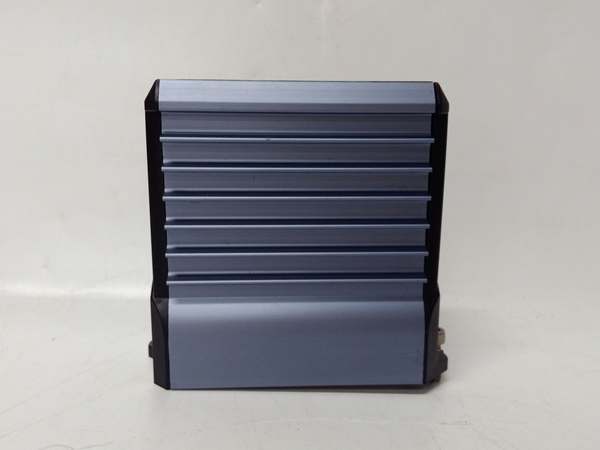
Description
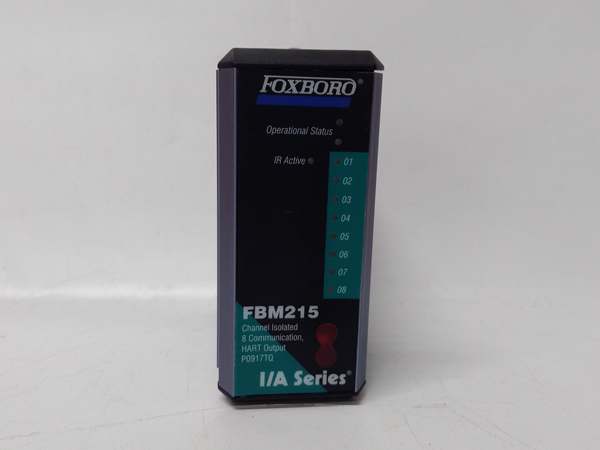
FOXBORO FBM215
System Architecture & Operational Principle
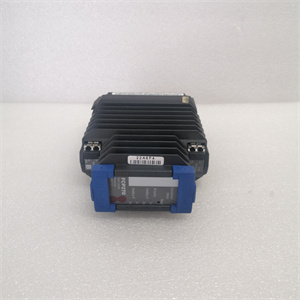
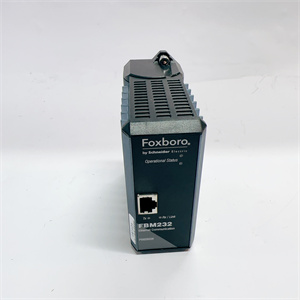
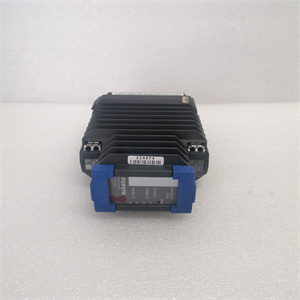
The Foxboro FBM230 RH926GU is a 4-channel serial FDSI module with a dedicated terminal assembly, residing in the I/A Series FBM rack at Level 1 (Device) of the Purdue Model. It bridges field instruments and the DCS controller. Upstream, it receives serial data packets from field devices over RS-232, RS-422, or RS-485 networks. The module parses these packets according to the configured protocol (e.g., Modbus RTU) and converts the data into DCI (Distributed Control Interface) signals. Downstream, it transmits these DCI signals to the I/A Series controller (e.g., CP4000) via the FBM rack’s backplane. The backplane provides a high-speed, parallel data path, isolating the serial module from the high-noise environment of the field. Its key advantage is the galvanic isolation per channel, which prevents ground loops from corrupting sensitive instrument data. The RH926GU terminal assembly provides a clean, screw-terminal connection point, reducing wiring errors in the field cabinet.
Core Technical Specifications
-
Channels: 4 independent serial communication ports
-
Signal Type: RS-232, RS-422, RS-485 (software-configurable per port)
-
Protocol Support: Modbus RTU, Modbus ASCII, HART (via I/O driver)
-
Data Rate: Up to 115.2 kbps
-
Physical Interface: Compression-style screw terminals (via RH926GU)
-
Channel Isolation: 600 V AC galvanic isolation (channel-to-ground)
-
Power Draw: 7 W max (24 VDC supply)
-
Operating Temperature: -20°C to +70°C (-4°F to 158°F)
-
Backplane Interface: I/A Series FBM rack (standard slot)
-
Max Devices per Port: 16 (RS-485 multi-drop)
-
Certifications: CE, UL, CSA
Customer Value & Operational Benefits
Reduced Integration Time
The 4-channel design and multi-protocol support cut the number of required modules by 75% compared to single-channel solutions. A plant with 16 instruments can use one FBM230 instead of four separate modules, saving significant cabinet space and wiring time.
Improved Signal Integrity
Galvanic isolation on each channel stops ground loops, a common source of data corruption. In a paper mill application, this eliminated intermittent communication drops caused by static discharge from dryer sections.
Simplified Maintenance
The RH926GU terminal assembly uses compression screws that grip the wire without stripping it, a direct improvement over traditional screw terminals that can loosen. This cuts troubleshooting time for field wiring faults.

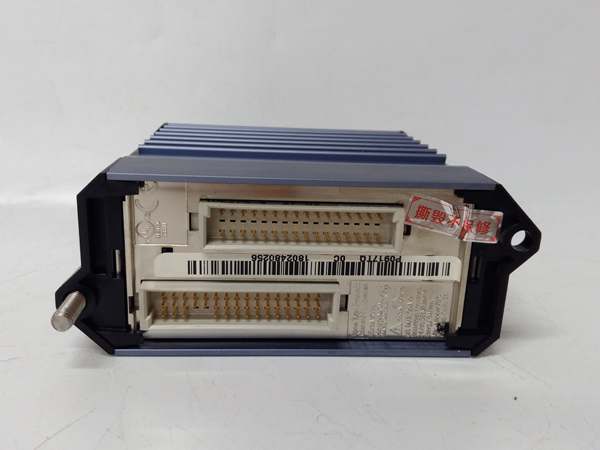
FOXBORO FBM215
Field Engineer’s Notes (From the Trenches)
When terminating the RH926GU, use 16-22 AWG stranded wire and torque the screws to 0.8 N·m (7 lb-in). I’ve seen too many field calls where a solid wire was used, causing a strand to break under vibration, or the screw was under-torqued, leading to an intermittent connection that mimics a protocol fault. Also, always verify the DIP switch settings on the FBM230 for baud rate and parity—they are easily bumped during maintenance. A mismatch here will give you a “no comm” error that can waste half a shift.
Real-World Applications
-
Chemical Plant Reactor Feed Control
-
The FBM230 reads a Modbus RTU-enabled flow transmitter and a pH analyzer (RS-232) on the same module. The DCS uses this data for ratio control of reagents. Using one module for both saves a slot in the FBM rack.
-
-
Offshore Platform Safety System Integration
-
The module collects diagnostic data from a bank of HART-enabled safety valves (RS-485). This data is fed to the SIS controller for proof-testing intervals, avoiding manual checks.
-
High-Frequency Troubleshooting FAQ
Q: What is the correct way to migrate from a legacy FBM224 to the FBM230 RH926GU?
A: The FBM230 is a direct functional replacement. However, the RH926GU terminal block is keyed differently. You must re-terminate the field wires. Also, verify the I/O driver version in the DCS; the FBM230 may require a newer driver to support the same device list.
Q: Why is my FBM230 showing a “parity error” on a Modbus device?
A: First, check the DIP switches on the FBM230 for the correct parity setting (even, odd, none). Second, scope the signal on the RS-485 lines; a floating ground or induced noise can corrupt the start/stop bits. Finally, ensure the device’s baud rate matches the module’s setting.
Q: Can I mix RS-232 and RS-485 devices on the same FBM230 module?
A: Yes. Each of the four ports is independently configurable. You can set Port 1 to RS-232 for a single instrument and Ports 2-4 to RS-485 for a multi-drop network. Just be mindful of the total node count and cable length limits for RS-485.
Commercial Availability & Pricing
Please note: The listed price is not the actual final price. It is for reference only and is subject to appropriate negotiation based on current market conditions, quantity, and availability.