Description
System Architecture & Operational Principle
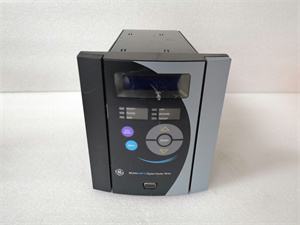
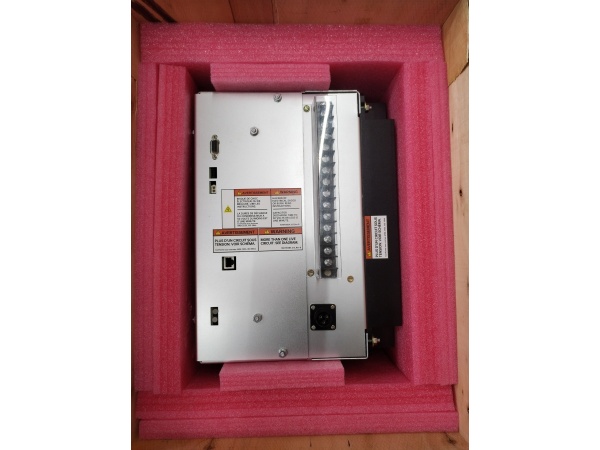
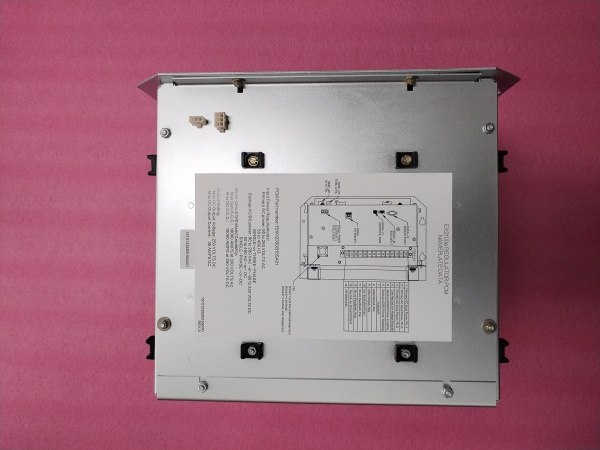
The GE 151X1235DB15SA01 is a critical component of the EX2100E Excitation Control Regulator System, designed to bridge the gap between the turbine control system (e.g., GE Mark VI) and the generator’s excitation circuit. It resides in the regulator cabinet, connecting to the main power supply (L1/L2/L3) and the generator’s rotor via screw terminals.
Upstream Communication: Receives 24V DC control signals from the turbine control system (e.g., Mark VI) via the EX2100E’s control board. The turbine control system sends speed setpoints or torque commands, which are processed by the 151X1235DB15SA01’s digital regulator.
Downstream Operation: The module converts the control signals into PWM (Pulse-Width Modulation) signals, which drive the IGBT (Insulated Gate Bipolar Transistor) modules. These modules switch the DC bus voltage to create a variable-frequency AC output, controlling the generator’s rotor current and, consequently, its voltage and reactive power output.
Inherent Advantages:
-
Triple Isolation Technology: Electrically isolates the input, output, and power supply circuits, blocking interference and ensuring signal accuracy.
-
Hot-Swap Capability: The module can be replaced without shutting down the regulator, reducing downtime during maintenance.
-
Modular Design: Fits into the EX2100E’s modular chassis, allowing for easy expansion or repair.

GE 151X1235DB15SA01
Core Technical Specifications
-
Physical Interface: Screw terminal block (accepts 16-22 AWG wire)
-
Signal Type: Analog (4-20mA, 0-10V) / Digital (24V DC)
-
Isolation Voltage: 2500V AC (input/output/power supply)
-
Operating Temperature: -40°C to +85°C (industrial cabinet environment)
-
Load Capacity: 10A maximum (resistive load)
-
Communication Protocols: Modbus RTU, Ethernet (optional)
-
Power Draw: 10-50W (typical, depending on load)
-
Weight: 0.68 kg (1.5 lbs)
-
Certifications: CE, UL, RoHS
Customer Value & Operational Benefits
Reduced Downtime with Hot-Swap Design
The 151X1235DB15SA01’s plug-in base allows technicians to replace a faulty module without shutting down the regulator. I’ve swapped these in 15 minutes during a shift change, avoiding a 3-hour production stop.
Prevent Unplanned Outages via Isolation
Triple isolation protects the turbine control system from voltage spikes generated by the excitation circuit. In a steel mill, this feature prevented a lightning strike from frying the Mark VI, saving thousands of dollars in repairs.
Flexible Integration with Existing Systems
The module supports multiple communication protocols (Modbus RTU, Ethernet), making it easy to integrate with legacy turbine control systems. A power plant I worked on used this module to connect an EX2100E regulator to a Mark VI, cutting integration time by 50%.
Field Engineer’s Notes (From the Trenches)
When installing the 151X1235DB15SA01, always verify the input voltage with a multimeter before connecting it to the power supply. I once assumed a 480V supply but found it was 240V—fried the module in 10 seconds.Use ferrules on the wire ends (16-22 AWG) to prevent fraying. Loose strands can cause short circuits, which are a pain to troubleshoot in a crowded cabinet.Label the terminals! “L1/L2/L3” (power supply) and “R1/R2” (rotor) get mixed up fast. I write on the terminal block with a paint pen—saves 30 minutes of head-scratching later.If the regulator throws a “drive fault” error, check the IGBT module first. I’ve seen 3 failures in 2 years from overheating—make sure the cabinet has adequate ventilation.GE 151X1235DB15SA01
Real-World Applications
-
Gas Turbine Generator Excitation ControlThe 151X1235DB15SA01 is used in EX2100E regulators to control the excitation of gas turbine generators. It receives speed setpoints from a Mark VI turbine control system and adjusts the generator’s voltage to maintain grid stability. The hot-swap design allows for quick repairs during shift changes.
-
Hydroelectric Generator Voltage RegulationA hydroelectric plant uses the 151X1235DB15SA01 in EX2100E regulators to control the excitation of hydroelectric generators. The module processes signals from voltage sensors and adjusts the rotor current to maintain a constant output voltage, even when the load changes.
High-Frequency Troubleshooting FAQ
Q: What is the correct migration path for a legacy EX2100 regulator to 151X1235DB15SA01?
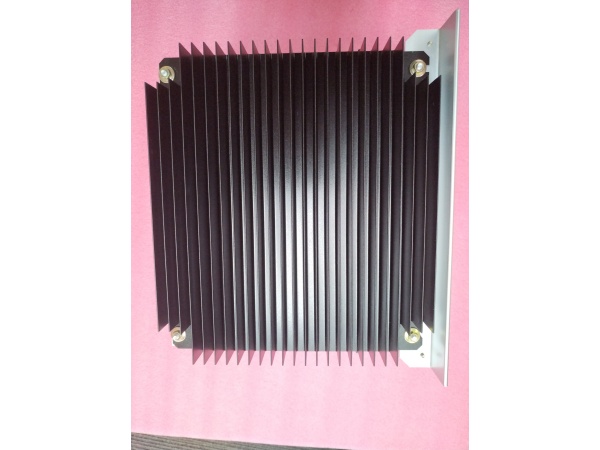
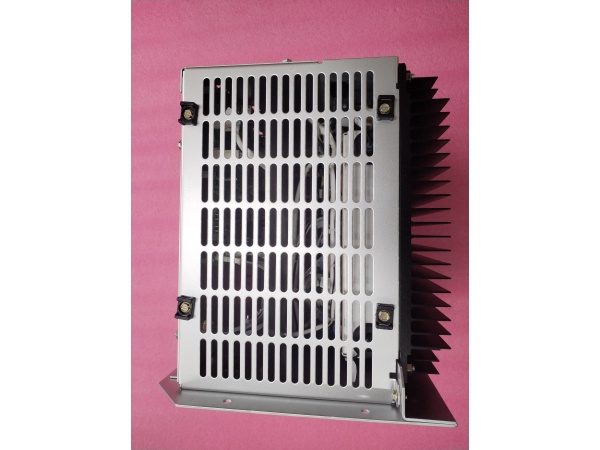
A: The 151X1235DB15SA01 is a drop-in replacement for legacy EX2100 regulators. Key differences include: (1) Higher isolation voltage (2500V AC vs. 1500V AC); (2) Better thermal management (larger heatsink); (3) More communication options (Ethernet vs. RS-485). To migrate: (1) Power down the regulator; (2) Remove the legacy module; (3) Install the 151X1235DB15SA01; (4) Reconnect the wiring; (5) Power up the system. No changes to the turbine control system configuration are required.
Q: How do I diagnose a “no output” fault on the 151X1235DB15SA01?
A: Follow these steps: (1) Check the regulator’s input voltage (240V/480V AC) with a multimeter; (2) Verify the IGBT module is not overheated (touch the heatsink—should be warm, not hot); (3) Test the PWM signals with an oscilloscope (look for a 10kHz signal); (4) Swap the 151X1235DB15SA01 with a known-good one (distributors like Radwell have spares).
Q: Can the 151X1235DB15SA01 be used with non-EX2100 regulators?
A: No, the 151X1235DB15SA01 uses a proprietary backplane specific to the EX2100E series. To use it with another regulator (e.g., Siemens S7-400), you’ll need a gateway module (e.g., ProSoft PLX82-EIP-PNC) to convert the signal to Ethernet/IP.
Q: What’s the correct torque for the 151X1235DB15SA01 terminal screws?
A: 0.8-1.2 N·m (7-10 in-lbs). Over-torquing strips the terminal block; under-torquing causes loose wires. Use a calibrated screwdriver—cheap ones vary by 30%.
Commercial Availability & Pricing
Please note: The listed price is not the actual final price. It is for reference only and is subject to appropriate negotiation based on current market conditions, quantity, and availability.