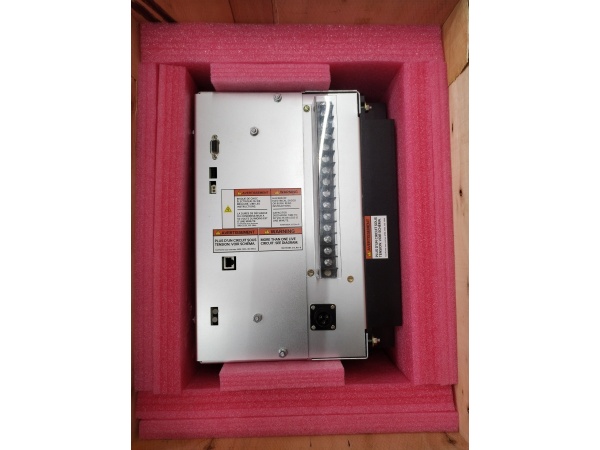
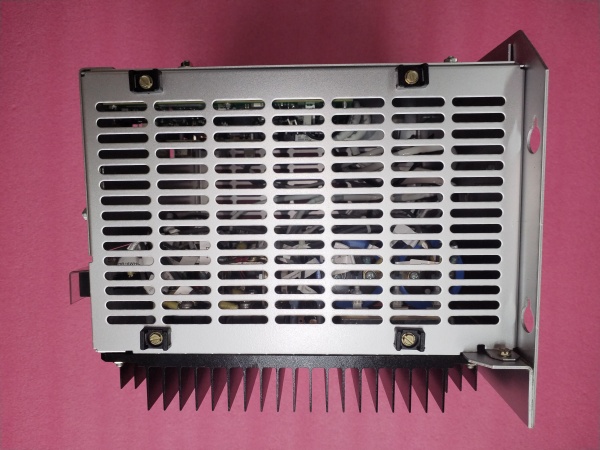
Description
151X1235DB15SA02: Product Overview
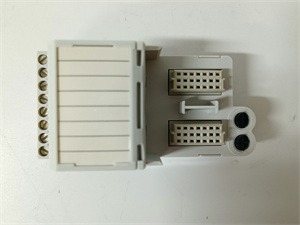
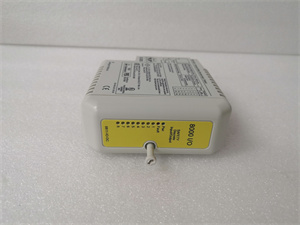
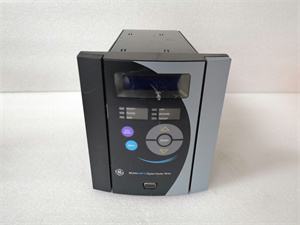
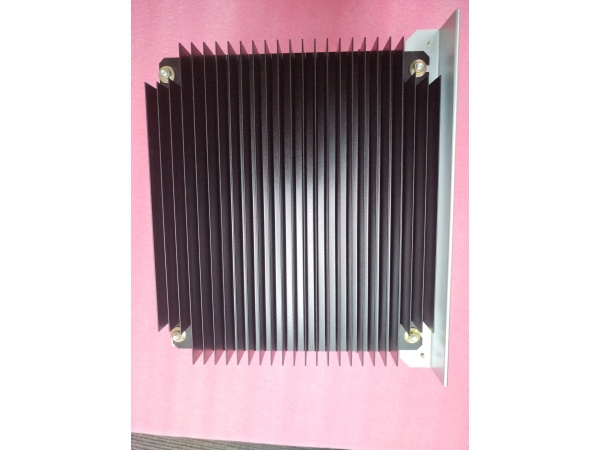
The GE 151X1235DB15SA02 is a specialized regulator power control module (PCM) designed for GE’s EX2100e digital excitation system, a flagship solution for generator voltage and reactive power control in power generation applications. As a critical component of the EX2100e ecosystem, it enables precise regulation of generator output, ensuring compliance with grid codes and optimizing power quality.
Role in Automation Systems:
Positioned as the “brain” of the EX2100e excitation system, the 151X1235DB15SA02 performs three primary functions:
-
Voltage Regulation: Maintains generator terminal voltage within specified limits by adjusting the excitation current, critical for grid stability.
-
Reactive Power Management: Controls the flow of reactive power to/from the grid, supporting power factor correction and voltage support.
-
Protection Coordination: Interfaces with generator protection systems (e.g., overvoltage, underfrequency) to initiate corrective actions during abnormal conditions.
Core Functionality:
-
Signal Processing: Acquires analog signals from voltage/current sensors and processes them to generate control commands for the exciter.
-
Algorithm Execution: Runs advanced control algorithms (e.g., PID, model predictive control) to optimize generator performance.
-
Communication: Transmits real-time data to SCADA/DCS systems via Modbus RTU or Ethernet/IP, enabling remote monitoring and control.
Platform Benefits (EX2100e Series):
The 151X1235DB15SA02 leverages GE’s EX2100e platform, which is renowned for:
-
Reliability: Triple modular redundancy (TMR) ensures continuous operation even if one module fails, critical for power generation.
-
Scalability: Supports expansion with additional I/O modules or communication interfaces to accommodate growing system demands.
-
Integration: Seamlessly integrates with GE’s turbine control systems (e.g., Mark VIe) and third-party DCS, reducing setup time and effort.

GE 151X1235DB15SA02
Technical Specifications
-
Model Number: 151X1235DB15SA02
-
Manufacturer: GE (General Electric)
-
Product Type: Regulator Power Control Module (PCM)
-
Series: EX2100e Excitation System
-
Processor: High-performance embedded processor (aligned with EX2100e series standards)
-
Memory: 16 KB RAM, 32 KB ROM (for program storage and data logging)
-
Communication Interfaces:
-
1× RS-485 (Modbus RTU)
-
1× Ethernet (Ethernet/IP)
-
-
I/O Channels:
-
8× Digital Input (24 V DC)
-
4× Analog Input (4–20 mA, 0–10 V DC)
-
4× Digital Output (24 V DC, 0.5 A)
-
-
Operating Temperature: -40°C to +70°C (-40°F to 158°F)
-
Power Supply: 24/28 V DC (±10% tolerance)
-
Dimensions: 178 mm × 140 mm × 50 mm (7 in × 5.5 in × 2 in)
-
Weight: 0.5 kg (1.1 lbs)
-
Certifications: CE, UL (inferred from GE industrial product standards)
Core Features & Customer Value
1. High-Precision Voltage Regulation:
The 151X1235DB15SA02 uses advanced signal processing algorithms to maintain generator terminal voltage within ±0.5% of the setpoint, ensuring compliance with grid codes and preventing voltage fluctuations that could damage equipment. For example, in a nuclear power plant, this precision ensures that the generator output remains stable during load changes, supporting grid reliability.
2. Flexible Communication Integration:
Support for Modbus RTU and Ethernet/IP protocols allows the module to integrate with a wide range of SCADA/DCS systems, including GE’s Mark VIe and third-party platforms like Siemens SIMATIC. This flexibility reduces the need for custom communication interfaces, saving time and money during system setup.
3. Rugged Industrial Design:
The module’s operating temperature range of -40°C to +70°C and compact form factor make it suitable for harsh power generation environments, such as turbine halls or outdoor substations. The DIN rail mounting option simplifies installation in crowded control cabinets.
4. Redundant Operation:
When paired with other EX2100e modules, the 151X1235DB15SA02 supports TMR, ensuring that the excitation system remains operational even if one module fails. This redundancy is critical for power plants, where unplanned downtime can result in significant financial losses.
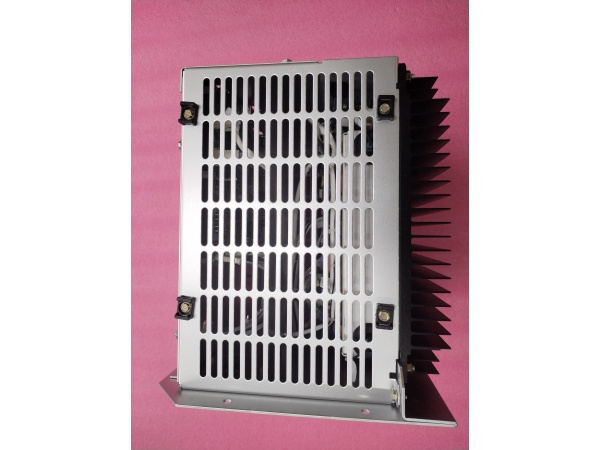
GE 151X1235DB15SA02
Typical Applications
The GE 151X1235DB15SA02 is widely used in power generation applications where precise generator control is essential:
-
Nuclear Power Plants:
-
Regulates the excitation system of nuclear generators, ensuring stable voltage output during load changes and supporting grid stability.
-
Example: In a pressurized water reactor (PWR) plant, the module works with the EX2100e system to maintain generator voltage within tight limits, preventing overvoltage that could damage the reactor’s electrical systems.
-
-
Thermal Power Plants:
-
Controls the excitation of coal-fired or gas-fired generators, optimizing reactive power flow and improving power factor.
-
Example: In a combined-cycle power plant, the module adjusts the excitation current to match the turbine’s output, ensuring that the generator operates at maximum efficiency.
-
-
Hydroelectric Power Plants:
-
Manages the excitation of hydroelectric generators, supporting frequency regulation and voltage control in remote areas.
-
Example: In a run-of-the-river hydro plant, the module ensures that the generator output remains stable despite fluctuations in water flow, supporting the local grid.
-