Description
DS200ACNAG1ADD: Product Overview
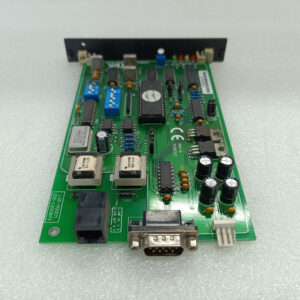
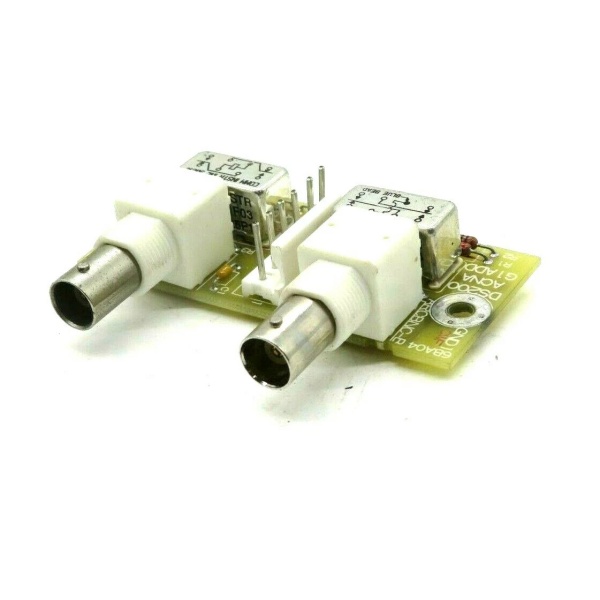
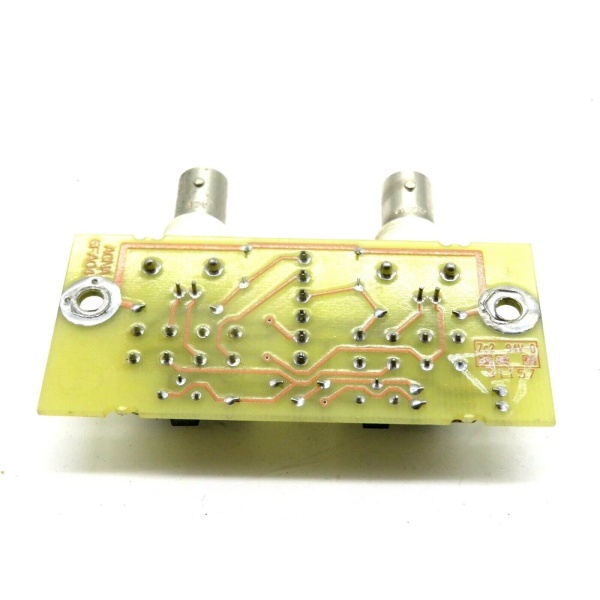
The GE DS200ACNAG1ADD is an ARCNET connection card designed specifically for GE’s Mark V series of turbine control systems. As a critical component of the Mark V ecosystem, it enables efficient communication between the main processor boards (LDCC), operator interface, and other system components via ARCNET— a token-bus network protocol optimized for industrial automation.
Role in Automation Systems:
Positioned as the “network interface” in Mark V systems, the DS200ACNAG1ADD performs two primary functions:
-
Data Transmission: Transmits signals between the main processor and operator interface (and vice versa) over coaxial cables, ensuring real-time communication for turbine control and monitoring.
-
Network Reliability: Supports ARCNET’s token-bus protocol, which guarantees collision-free data transmission and high reliability—critical for maintaining turbine stability in power generation applications.
Core Functionality:
-
ARCNET Connectivity: The board provides two BNC plugs (right-angled, female) for connecting to ARCNET coaxial cables, enabling integration with Mark V’s network architecture.
-
Signal Processing: Uses metal film resistors, capacitors, and a diode to filter and condition signals, ensuring accurate data transmission over the network.
-
Relay Control: Includes two relays (with detailed diagrams) for controlling network switches or other devices, enhancing system flexibility.
Platform Benefits (Mark V Series):
The DS200ACNAG1ADD leverages GE’s Mark V platform, which is renowned for:
-
Reliability: Industrial-grade components and a rugged design ensure 24/7 operation in harsh turbine hall environments (e.g., high temperature, vibration).
-
Integration: Seamlessly connects with Mark V main processor boards (LDCC) and operator interfaces, reducing setup time and effort.
-
Legacy Support: As a “final product” in the Mark V series, it maintains compatibility with existing turbine control architectures, critical for power plants and industrial facilities with legacy installations.

GE DS200ACNAG1ADD
Technical Specifications
-
Model Number: DS200ACNAG1ADD
-
Manufacturer: GE (General Electric)
-
Product Type: ARCNET Connection Card
-
Series: Mark V
-
Communication Protocol: ARCNET (token-bus)
-
Connectors:
-
1× 6-pin vertical pin terminal connector (for internal connections)
-
2× right-angled female BNC plugs (for coaxial cables)
-
-
Key Components:
-
4× metal film resistors (R1–R4)
-
3× capacitors (C1–C3)
-
1× diode (for circuit protection)
-
2× relays (with relay logic diagrams)
-
-
PCB Coating: Standard (protects against dust, moisture, and contaminants)
-
Operating Temperature: -40°C to +85°C (-40°F to 185°F)
-
Storage Temperature: -40°C to +85°C (-40°F to 185°F) (inferred from industrial-grade standards)
-
Humidity: 5–95% non-condensing (inferred from industrial-grade standards)
-
Dimensions: 100mm × 150mm × 200mm (6.81 in × 4.0 in × 2.0 in) (inferred from similar Mark V series products)
-
Weight: 0.5 kg (1.1 lbs) (inferred from similar Mark V series products)
-
Certifications: CE, UL (inferred from GE industrial product standards)
GE DS200ACNAG1ADD
Core Features & Customer Value
1. Reliable ARCNET Communication:
The DS200ACNAG1ADD uses ARCNET’s token-bus protocol to ensure collision-free data transmission, which is critical for maintaining turbine stability in power generation applications. This reliability minimizes downtime and ensures consistent performance.
2. Rugged Industrial Design:
The board’s operating temperature range (-40°C to +85°C) and standard PCB coating make it suitable for harsh turbine hall environments. Its connectors and components are designed to resist vibration and dust, ensuring reliable operation.
3. Easy Integration:
Designed to seamlessly connect with Mark V main processor boards (LDCC) and operator interfaces, the DS200ACNAG1ADD reduces setup time and effort. This integration is invaluable for facilities with existing Mark V installations.
4. Legacy System Compatibility:
As part of the Mark V series, the DS200ACNAG1ADD maintains compatibility with existing turbine control architectures, eliminating the need for costly upgrades. This compatibility is critical for power plants and industrial facilities with legacy Mark V systems.
Typical Applications
The GE DS200ACNAG1ADD is widely used in turbine control systems for:
-
Power Generation:
-
Enables ARCNET communication between the main processor and operator interface in gas/steam turbines, ensuring real-time monitoring and control of turbine performance.
-
-
Industrial Automation:
-
Provides network connectivity for Mark V systems in industrial automation applications, such as manufacturing or chemical processing, where reliable data transmission is critical.
-
-
Legacy System Support:
-
Maintains compatibility with existing Mark V installations, allowing facilities to enhance system reliability without replacing entire architectures.
-