Description
System Architecture & Operational Principle
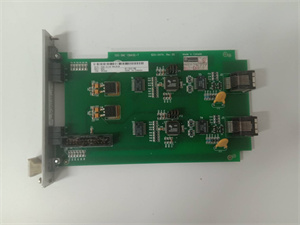
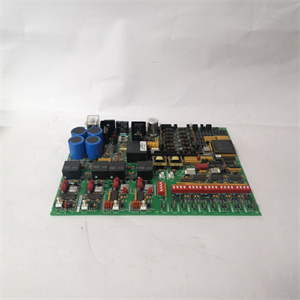
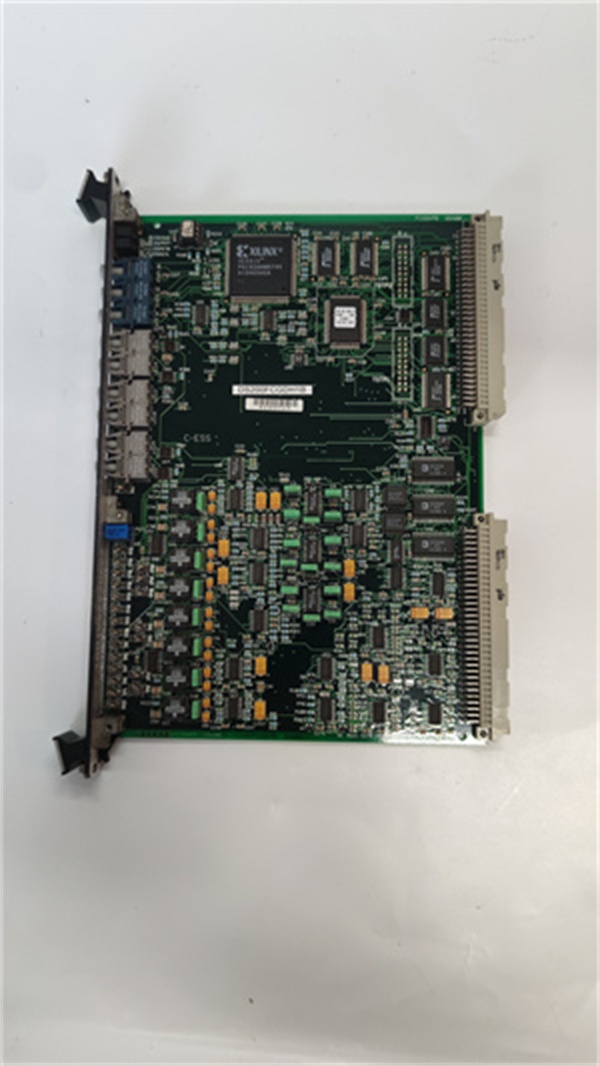
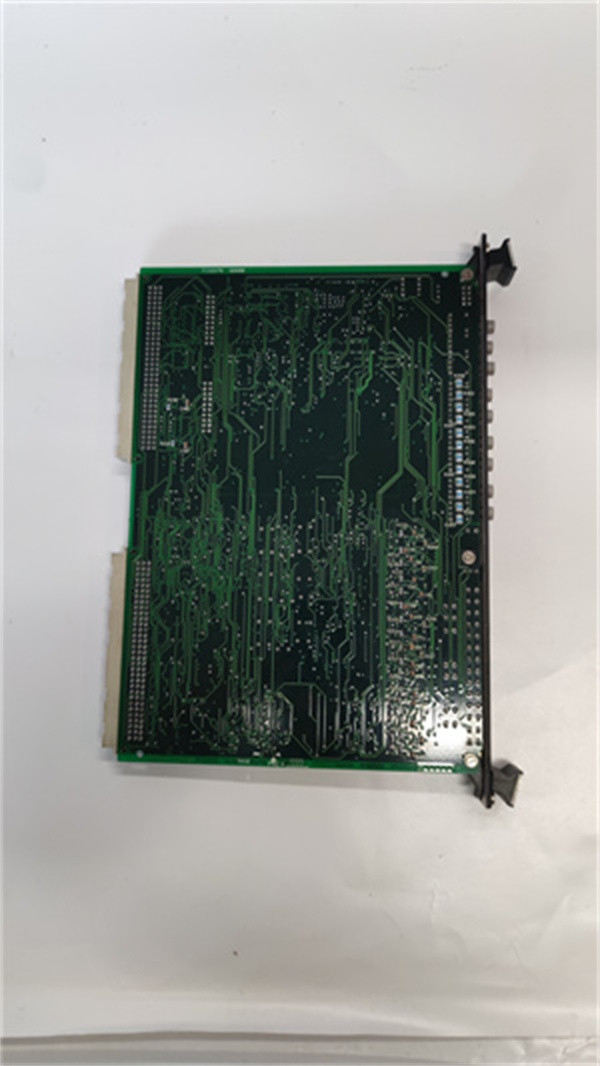
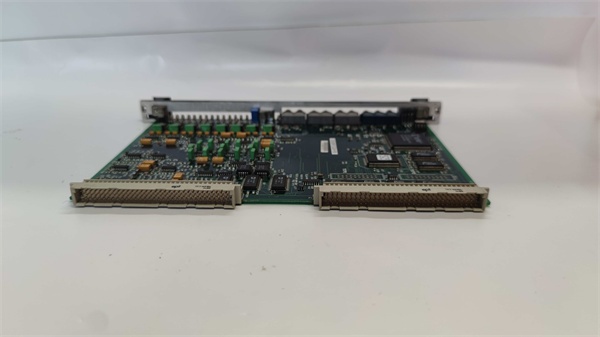
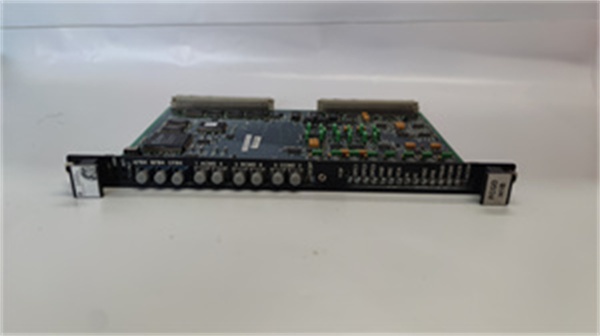
The GE DS200FCGDH1B is a core interface board in the GE Speedtronic Mark V turbine control system, designed to enable communication between the DSPC (Digital Signal Processing Card) and six-pulse phase-controlled irreversible bridges (used in turbine-driven equipment like generators or compressors). It resides in a Mark V rack (Purdue Level 1–2 boundary) and plays a critical role in controlling the firing of silicon-controlled rectifiers (SCRs) that regulate power flow to the bridge.
Core Functional Blocks
The board consists of three main functional blocks:
-
SCR Trigger Decoding: Receives digital SCR trigger signals from the DSPC via the VME backplane and decodes them into gate control signals for the six-pulse bridge.
-
Bridge Status Monitoring: Collects feedback signals from the bridge (e.g., frequency, voltage, and bridge leg status) and scales them for transmission back to the DSPC.
-
Communication Interface: Uses the VME backplane to transmit decoded trigger signals to the bridge and send feedback data to the DSPC. It also includes an IMOK LED (Integrated Module OK) to indicate basic system status (e.g., power on, communication active).
Operational Workflow
-
Signal Reception: The DSPC sends SCR trigger data to the DS200FCGDH1B via the VME backplane.
-
Decoding & Distribution: The board decodes the trigger data into gate control signals for each of the six bridge legs.
-
Feedback Collection: The bridge returns status signals (e.g., current, voltage, fault status) to the board, which scales and formats them for transmission back to the DSPC.
-
Status Indication: The IMOK LED lights up to confirm the board is operational; if a fault occurs (e.g., communication loss), the LED turns off or blinks.
Key Architectural Advantages
-
Hot-Swappable: Can be replaced without shutting down the turbine, minimizing downtime in 24/7 power generation applications.
-
Conduction-Cooled: No moving parts (e.g., fans), reducing the risk of mechanical failure in harsh environments.
-
Redundant Design: Works in conjunction with other Mark V boards (e.g., DSPC) to provide redundant control, ensuring reliability.
Core Technical Specifications
|
Parameter
|
Specification
|
|---|---|
|
Model
|
DS200FCGDH1B
|
|
Manufacturer
|
GE (General Electric)
|
|
System Platform
|
Speedtronic Mark V Turbine Control System
|
|
Hardware Type
|
Gate Distribution & Status Board (FCGD)
|
|
Ports/Interfaces
|
VME backplane (communication with DSPC), 6x SCR gate outputs, 6x bridge feedback inputs
|
|
Operating Temperature
|
-40°C to +85°C (-40°F to +185°F)
|
|
Cooling
|
Conduction-cooled (no moving parts)
|
|
Status Indicator
|
IMOK LED (green = operational, off/blinking = fault)
|
|
Compatibility
|
Mark V racks (Purdue Level 1–2 boundary), DSPC (Digital Signal Processing Card)
|
|
Certifications
|
CE, UL, RoHS
|
GE DS200FCGDH1B
Customer Value & Operational Benefits
1. Reliable SCR Control for Turbine Operations
The DS200FCGDH1B ensures precise firing of SCRs in the six-pulse bridge, which is critical for regulating power flow to turbine-driven equipment (e.g., generators). This reliability reduces the risk of unplanned outages, which can cost millions of dollars in lost revenue for power utilities.
2. Minimized Downtime with Hot-Swap Design
The ability to replace the board without shutting down the turbine is invaluable for 24/7 power generation facilities. Technicians can perform maintenance during scheduled outages, avoiding costly unplanned downtime.
3. Easy Diagnostics with Visual Indicators
The IMOK LED provides instant feedback on the board’s operational status. If the LED is off or blinking, technicians can quickly identify a fault (e.g., communication loss with the DSPC) and take corrective action.
4. Rugged Reliability for Harsh Environments
The conduction-cooled design and wide operating temperature range (-40°C to +85°C) make the board suitable for outdoor substations, offshore oil platforms, or factory floors where temperature extremes and vibration are common.
Field Engineer’s Notes (From the Trenches)
When installing the DS200FCGDH1B, always verify the VME backplane connections—loose pins or bent contacts are a common cause of communication failures. I once spent hours troubleshooting a “no trigger” fault only to find a loose VME connector on the board.Check the IMOK LED first if the board isn’t working—if it’s off, the board isn’t receiving power or communication from the DSPC. Use a multimeter to test the VME backplane voltage (should be +5V DC) and check the DSPC’s communication settings.Clean the board’s connectors regularly—dust and debris can accumulate on the VME pins, causing intermittent communication. Use a soft brush or compressed air to clean the connectors.GE DS200FCGDH1B
Real-World Applications
1. Power Generation: Gas Turbine Control
A natural gas power plant uses the DS200FCGDH1B to control the SCRs in a six-pulse bridge that regulates power flow to a 500 MW gas turbine. The board’s reliable SCR control ensures the turbine operates within strict frequency (50/60 Hz) and voltage limits, maintaining grid stability.
2. Industrial Automation: Compressor Drive Control
A refinery uses the DS200FCGDH1B to control the SCRs in a compressor drive system. The board’s hot-swap design allows technicians to replace it during routine maintenance without shutting down the compressor, avoiding production losses.
3. Oil & Gas: Offshore Platform Turbine Control
An offshore oil platform uses the DS200FCGDH1B to control the SCRs in a turbine-driven generator. The board’s wide operating temperature range (-40°C to +85°C) ensures reliable operation in the harsh marine environment.