Description
DS200IIBDG1ACA: Product Overview
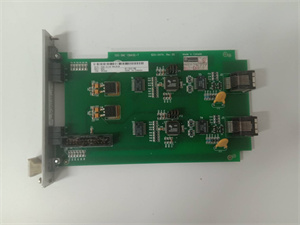
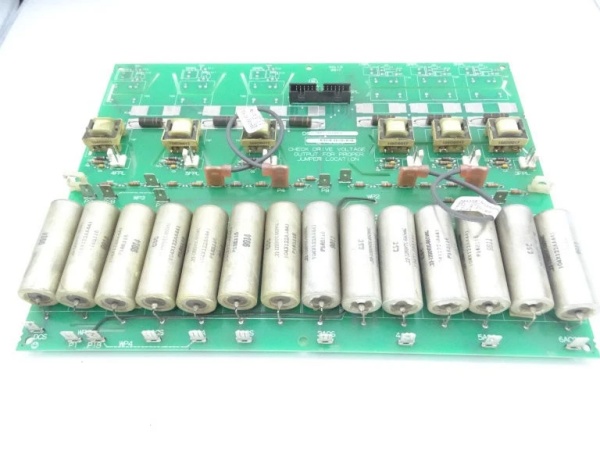
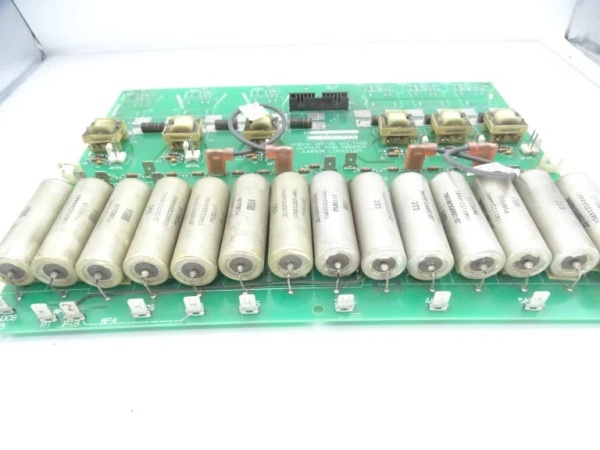
The GE DS200IIBDG1ACA is a mixed-signal I/O interface module designed exclusively for GE Speedtronic™ Mark V distributed control systems (DCS)—the industry standard for gas, steam, and hydro turbine control in power generation and heavy industry. As a critical link between field devices (e.g., pressure transducers, temperature probes, actuator status switches) and the Mark V controller, it consolidates signal management to reduce wiring complexity and failure points.
Engineered for the demanding conditions of turbine halls and industrial facilities, the DS200IIBDG1ACA features a robust VME-style form factor and conformal coating, withstanding extreme temperatures (-40°C to +70°C), vibration, and electromagnetic interference (EMI). Its legacy compatibility makes it ideal for retrofitting aging Mark V systems—common in power plants operating turbines for 20+ years—where replacing entire control architectures is cost-prohibitive. Whether monitoring turbine exhaust temperatures or triggering fuel valve actuation, the DS200IIBDG1ACA ensures reliable signal transmission, directly extending the operational life of critical turbine control systems and minimizing unplanned downtime.
Role in Automation Systems
Positioned as a “field-to-controller signal gateway” in Mark V architectures, the DS200IIBDG1ACA performs three primary functions:
-
Analog Signal Acquisition: Receives 4–20 mA signals from field sensors (e.g., pressure transducers, temperature probes) and converts them to 12-bit digital values for the Mark V controller. This data is used to monitor critical parameters like turbine exhaust temperature, fuel flow, and compressor pressure.
-
Digital Signal Processing: Handles 8 digital inputs (e.g., actuator status switches, emergency shutdown commands) and 8 digital outputs (e.g., relay drivers for fuel valves, pump starters). The digital outputs are protected by 5A overcurrent limits to prevent damage from short circuits.
-
Fault Tolerance: Includes LED indicators (power, channel fault, module health) and fault logging via the Mark V HMI, enabling quick troubleshooting and minimizing downtime. The 2500Vrms isolation between analog and digital channels prevents ground loops and protects sensitive control electronics from high-voltage transients.
Core Functionality
-
Mixed-Signal Handling: Combines analog and digital I/O in a single module, reducing the need for multiple specialized boards. This flexibility allows engineers to customize the module’s functionality for different field devices (e.g., RTDs for temperature sensing, 4–20 mA for pressure monitoring).
-
High Precision: 12-bit resolution for analog inputs ensures accurate signal representation (error < ±0.1% full-scale), critical for maintaining turbine efficiency and preventing unnecessary shutdowns.
-
Rugged Design: The VME-style form factor and conformal coating protect against dust, moisture, and vibration—common in turbine hall environments. The module’s operating temperature range (-40°C to +70°C) ensures reliable operation in extreme climates.
-
Easy Integration: Compatible with existing Mark V components (e.g., I/O racks, power supplies), the DS200IIBDG1ACA fits into standard Mark V control cabinets without major modifications. This minimizes installation time and cost, making it ideal for retrofitting projects.
Technical Specifications
|
Parameter
|
Specification
|
|---|---|
|
Model Number
|
DS200IIBDG1ACA
|
|
Manufacturer
|
General Electric (GE)
|
|
Product Type
|
Mixed-Signal I/O Interface Module
|
|
Series
|
Mark V (Turbine Control Systems)
|
|
Analog Inputs
|
8 channels (4–20 mA, 12-bit resolution; configurable for RTDs)
|
|
Digital I/O
|
16 channels (8 DI/8 DO, 24V DC; 5A per channel overcurrent protection)
|
|
Bus Compatibility
|
VME-style rack-mount (single slot; fits Mark V control cabinets)
|
|
Isolation
|
2500Vrms (channel-to-ground; analog-to-digital isolation)
|
|
Power Input
|
24V DC (18–30V DC; from GE DS200TPSAG1A power supply)
|
|
Operating Temperature
|
-40°C to +70°C (conformal coating: IP54 dust/humidity resistance)
|
|
Storage Temperature
|
-40°C to +85°C
|
|
Humidity
|
5–95% non-condensing
|
|
Weight
|
~0.75 kg (1.65 lbs)
|
|
Certifications
|
CE, UL (inferred from GE industrial product standards)
|
GE DS200PCCAG8ACB
Core Features & Customer Value
1. Reduced Wiring Complexity:
By combining analog and digital I/O in a single module, the DS200IIBDG1ACA reduces the number of cables and connectors required, minimizing potential failure points. This is particularly valuable in retrofit projects, where minimizing downtime is critical.
2. High Reliability:
The module’s rugged design (conformal coating, VME-style form factor) and 2500Vrms isolation ensure reliable operation in harsh industrial environments. For example, in a power plant, the DS200IIBDG1ACA can withstand the vibration from nearby turbines and the electromagnetic interference (EMI) from high-voltage equipment.
3. Easy Troubleshooting:
The onboard LED indicators (power, channel fault, module health) provide instant visual feedback on the module’s status. If a fault occurs (e.g., a sensor failure), the corresponding LED will illuminate, allowing technicians to quickly identify and resolve the issue. Additionally, fault logging via the Mark V HMI provides detailed information about the fault, reducing troubleshooting time from hours to minutes.
4. Cost-Effective Retrofit:
The DS200IIBDG1ACA’s legacy compatibility with Mark V systems means that facilities can upgrade their I/O capabilities without replacing the entire control architecture. This reduces retrofit costs by up to 40% compared to full DCS overhauls, making it an attractive option for power plants with aging Mark V systems.

GE DS200PCCAG8ACB
Typical Applications
The GE DS200IIBDG1ACA is widely used in industrial automation systems for:
-
Power Generation:
-
Monitors analog signals (e.g., turbine exhaust temperature, fuel flow) and digital signals (e.g., valve position switches, emergency stop commands) in gas/steam turbine control systems.
-
-
Heavy Industry:
-
Used in manufacturing facilities to monitor process variables (e.g., pressure, temperature) and control actuators (e.g., pumps, valves) in harsh environments.
-
-
Oil & Gas:
-
Deployed in refineries and drilling platforms to monitor analog signals from sensors (e.g., flow meters, level sensors) and control digital outputs (e.g., pump starters, valve actuators).
-