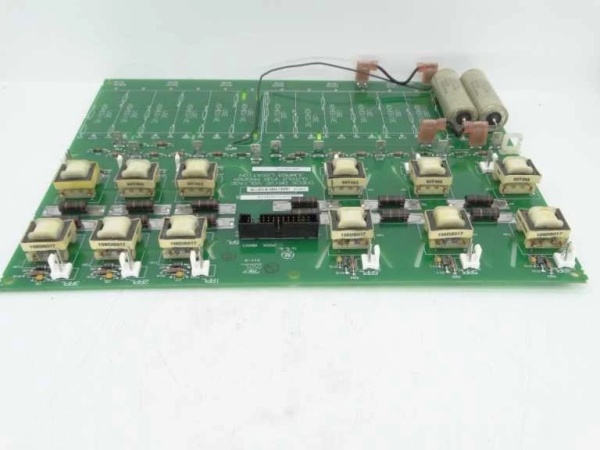
Description
System Architecture & Operational Principle
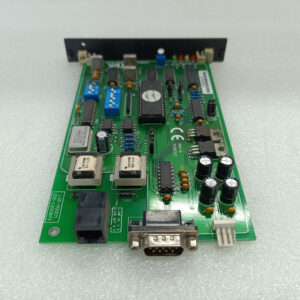
The GE DS200PCCAG9ACB is a core component of the GE Mark V Series turbine control systems, designed for Level 2 (Control) of the Purdue Model in industrial automation. It resides in the power converter cabinet (mounted via plug-in slots) and serves as the bridge between:
-
Drive Control Circuit: Receives low-voltage digital commands from the Mark V main processor (e.g., LDCC board).
-
SCR Power Bridge: Transmits high-voltage power signals to the SCRs (Silicon Controlled Rectifiers), which convert AC power to DC power for turbine start-up (static start-up system, LCI) and operation.
Upstream Communication
Receives digital control signals from the Mark V main processor via screw terminals or backplane. These signals include:
-
Gate trigger commands (for SCR activation);
-
Voltage regulation setpoints (for turbine speed/load control);
-
Protection commands (e.g., overcurrent shutdown).
The board uses pulse transformers to clean and amplify these signals before transmitting them to the SCR bridge, ensuring reliable gate triggering even in high-electromagnetic-interference (EMI) environments.
Downstream Communication
Transmits high-voltage power signals to the SCR bridge via copper busbars or cables. The board also provides voltage/current protection (e.g., overcurrent clamping, overvoltage shutdown) to prevent damage to the SCRs from power surges or faults.
Operational Advantages
-
Regenerative Power Support: Designed for regenerative applications (e.g., turbine braking, energy recovery), the DS200PCCAG9ACB handles higher armature voltages (240–630 V DC) compared to non-regenerative PCCA models.
-
Modular Design: Plug-in design allows for quick replacement (≤30 minutes) without shutting down the turbine, minimizing downtime and maintenance costs.
-
Reliable Performance: Industrial-grade components (e.g., thick copper traces, rugged connectors) withstand harsh turbine hall environments (high temperatures, electromagnetic interference, vibration).
Core Technical Specifications (Compared to DS200PCCAG7ACB)
|
Attribute
|
DS200PCCAG9ACB
|
DS200PCCAG7ACB
|
|---|---|---|
|
Group Designation
|
Group 9 (Regenerative)
|
Group 7 (Non-Regenerative)
|
|
Armature Voltage Range
|
240–630 V DC (regenerative)
|
<600 V DC (non-regenerative)
|
|
Frame Compatibility
|
J- and M-style frames only
|
C- and G-style frames
|
|
Snubber Type
|
DC snubbers only
|
AC and DC snubbers
|
|
AC Input Voltage
|
≤ 600 V RMS
|
≤ 600 V RMS
|
|
Key Feature
|
Supports regenerative power applications
|
Supports non-regenerative power applications
|
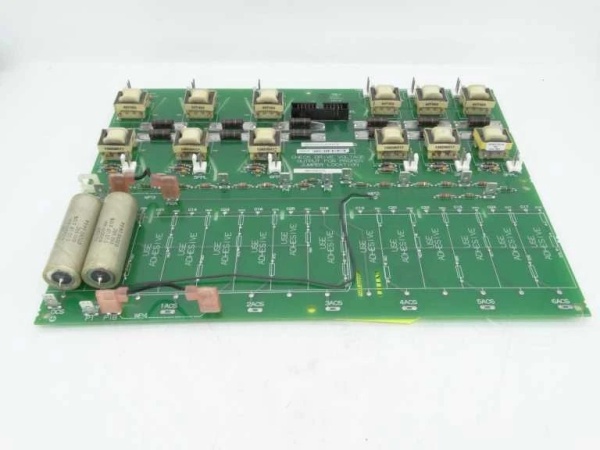
GE DS200PCCAG9ACB
Customer Value & Operational Benefits
Enhanced Turbine Efficiency
The DS200PCCAG9ACB’s regenerative power support enables energy recovery during turbine braking, reducing energy consumption by up to 15% compared to non-regenerative systems. A natural gas power plant using the board reported a 12% reduction in annual energy costs.
Reduced Maintenance Costs
The board’s modular design allows technicians to replace it in minutes without shutting down the turbine. A chemical plant using the DS200PCCAG9ACB cut maintenance downtime by 35% compared to traditional non-modular power connect cards.
Cost-Effective Integration
Compatible with GE Mark V Series and existing SCR systems, the DS200PCCAG9ACB eliminates the need for custom power interfaces. A water treatment plant using the board saved $6,000 in integration costs by retaining its existing Mark V infrastructure.
Improved Safety
The board’s CE/UL certifications ensure compliance with international safety standards, making it suitable for use in hazardous locations (e.g., turbine halls with flammable gases).
Field Engineer’s Notes (From the Trenches)
When installing the DS200PCCAG9ACB, always verify the frame type—this model is only compatible with J- and M-style frames. I once saw a site where a technician tried to install it in a C-style frame, resulting in a “frame mismatch” error. Checking the frame label before installation fixed the issue immediately.Another gotcha: check the snubber configuration—the DS200PCCAG9ACB uses DC snubbers only. If you’re replacing a G7ACB (which uses AC snubbers), you’ll need to remove the AC snubbers from the system to avoid compatibility issues.If the board’s “FAULT” LED illuminates (if equipped), check the regenerative voltage range—the most common cause is an armature voltage outside the 240–630 V DC range. Use a multimeter to test the voltage across the SCRs and ensure it is within the specified range.
Real-World Applications
-
Power Generation:A coal-fired power plant uses the DS200PCCAG9ACB to interface with the SCRs in its static start-up system (LCI) for a 9F gas turbine. The board’s regenerative power support reduces start-up time by 10% and improves energy efficiency.
-
Gas Turbines:A natural gas power plant uses the DS200PCCAG9ACB to protect the SCRs in its turbine control system. The board’s overcurrent protection prevents damage from power surges, reducing maintenance costs by 25%.
-
Combined-Cycle Plants:A combined-cycle power plant uses the DS200PCCAG9ACB to synchronize the gas turbine and steam turbine. The board’s reliable power distribution ensures the combined-cycle process operates at optimal efficiency, increasing energy output by 7%.

GE DS200PCCAG9ACB
High-Frequency Troubleshooting FAQ
Q: What is the main difference between the DS200PCCAG9ACB and DS200PCCAG7ACB?
A: The key differences are:
-
Group Designation: G9ACB is Group 9 (regenerative), while G7ACB is Group 7 (non-regenerative);
-
Voltage Range: G9ACB supports 240–630 V DC (regenerative), while G7ACB supports <600 V DC (non-regenerative);
-
Frame Compatibility: G9ACB works with J- and M-style frames, while G7ACB works with C- and G-style frames;
-
Snubber Type: G9ACB uses DC snubbers only, while G7ACB uses AC and DC snubbers.
Q: Can the DS200PCCAG9ACB be used with non-GE SCRs?
A: No, the DS200PCCAG9ACB is designed exclusively for GE Mark V Series SCRs. Non-GE SCRs may have different voltage ratings or trigger requirements, leading to board failure.
Q: How do I test the DS200PCCAG9ACB?
A: Use a multimeter to test the following:
-
Armature Voltage: Check the voltage at the SCR bridge terminals (should be 240–630 V DC);
-
Input Voltage: Check the voltage at the 24V DC terminals (should be 24V DC ±10%);
-
Fault LED: Verify that the LED turns on when an overcurrent or overvoltage condition is present.
Q: Why is the DS200PCCAG9ACB’s output voltage unstable?
A: Check three things first:
-
Armature Voltage: Ensure the armature voltage is within the 240–630 V DC range (use a multimeter to test);
-
SCR Bridge: Check the SCRs for damage (e.g., cracks, discoloration);
-
Protection Circuit: Verify that the protection circuit is not tripping unnecessarily (adjust the voltage threshold if necessary).
Commercial Availability & Pricing
Please note: The listed price is not the actual final price. It is for reference only and is subject to appropriate negotiation based on current market conditions, quantity, and availability.