Description
DS200SHVMG1AFE: Product Overview
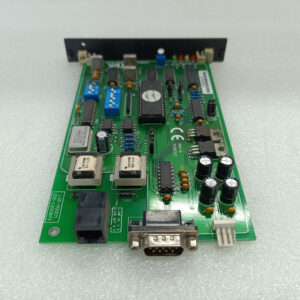
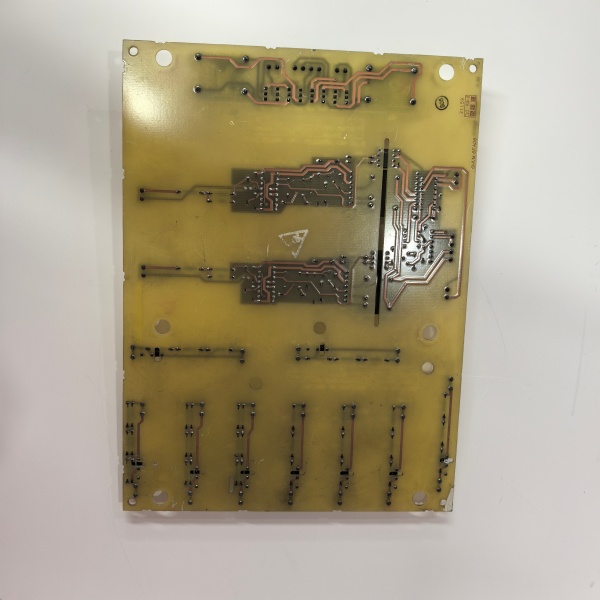
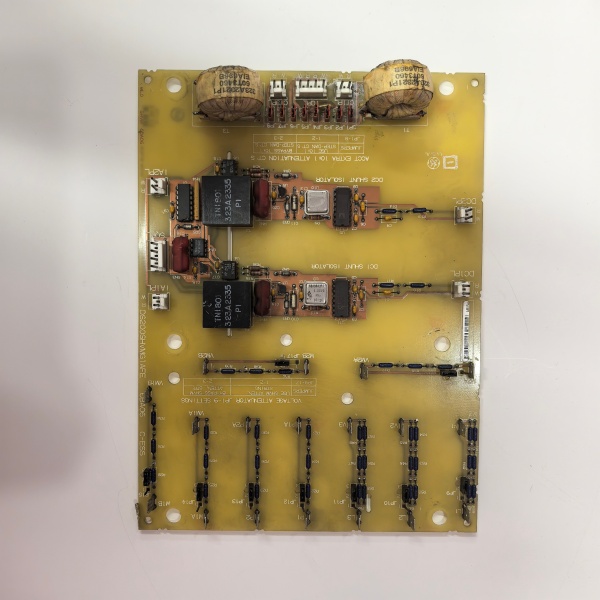
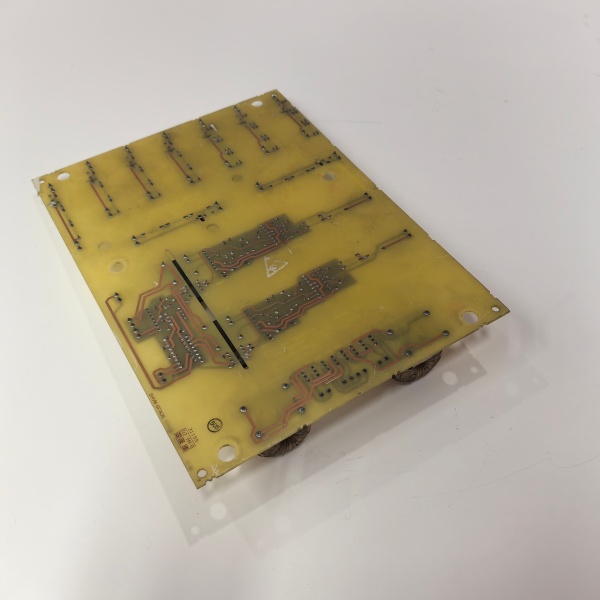
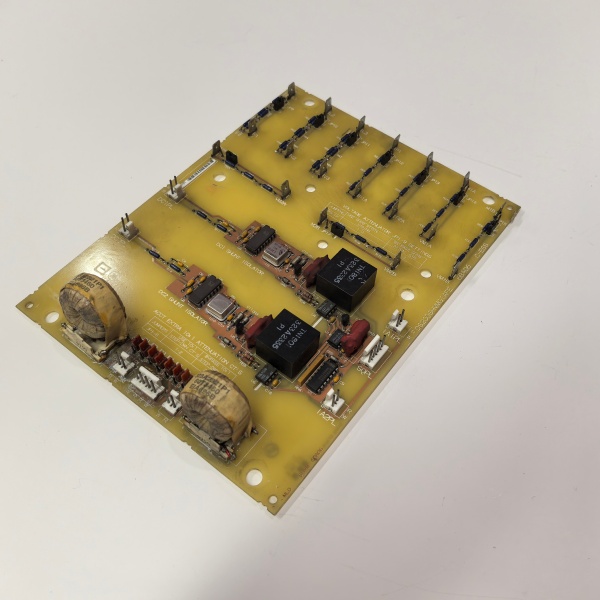
The GE DS200SHVMG1AFE is a high-voltage M-frame interface board designed specifically for GE Speedtronic™ Mark V distributed control systems (DCS), the industry standard for gas, steam, and hydro turbine control in power generation. As part of the Mark V ecosystem, it acts as the “signal translator” between the M-type drive’s SCR bridge (used for power conversion) and the control electronics (e.g., power board, power connection card). Its primary role is to convert low-level shunt signals into high-frequency differential outputs—a critical step in ensuring the control system receives accurate data for turbine speed regulation and load control.
Engineered for the demanding conditions of turbine halls, the DS200SHVMG1AFE features a rugged aluminum alloy construction and advanced VCO circuitry to withstand vibration, dust, and electromagnetic interference (EMI). Its legacy compatibility makes it ideal for retrofitting aging Mark V systems—common in power plants operating turbines for 20+ years—where replacing the entire control architecture is cost-prohibitive. Whether used in 7EA gas turbines or 9F steam turbines, the DS200SHVMG1AFE ensures reliable signal conversion, directly extending the operational life of critical turbine control systems.
Role in Automation Systems
Positioned as a “high-voltage signal gateway” in Mark V architectures, the DS200SHVMG1AFE performs two primary functions:
-
Signal Conversion: Converts low-level shunt signals (from the SCR bridge) into high-frequency differential signals (0 to 500 kHz) using a voltage-controlled oscillator (VCO). This translation is essential for the control system to interpret power-related data (e.g., turbine speed, load) accurately.
-
Current Attenuation: Uses a 10:1 current transformer attenuator to adjust input currents, ensuring compatibility with downstream control electronics. The attenuation is configurable via 17 jumpers, allowing engineers to customize the board’s performance for specific applications.
Its core value lies in bridging the gap between high-voltage power components and low-level control systems—a critical step in maintaining turbine stability, as even minor signal inaccuracies can lead to process instability (e.g., turbine speed variations) or equipment damage (e.g., excitation system failure).
Core Functionality
-
High-Precision Signal Conversion: The DS200SHVMG1AFE’s VCO circuitry ensures accurate translation of shunt signals (-500 mV to 500 mV) into differential frequencies (0 to 500 kHz). For example, a -250 mV shunt signal (representing a turbine speed deviation) is converted to a 250 kHz output, prompting the control system to adjust fuel flow and correct the deviation.
-
Configurable Current Attenuation: The 17 onboard jumpers allow engineers to adjust the current transformer’s attenuation ratio (10:1), adapting the board to different M-type drive configurations. This flexibility reduces the need for additional hardware modifications, saving time and money during installation.
-
Robust Protection Mechanisms: The board’s aluminum alloy construction and thick protective coating shield against static electricity and overvoltages, ensuring reliable operation in harsh industrial environments.
-
Legacy Compatibility: Fully compatible with existing Mark V components (e.g., DCFB power boards, PCCA power connection cards), reducing the cost of system upgrades. This makes it an ideal choice for power plants with aging Mark V systems, where replacing the entire control architecture is not feasible.

DS200SHVMG1AFE
Technical Specifications
|
Parameter
|
Specification
|
|---|---|
|
Model Number
|
DS200SHVMG1AFE
|
|
Manufacturer
|
General Electric (GE)
|
|
Product Type
|
High-Voltage M-Frame Interface Board
|
|
Series
|
Mark V (Turbine Control Systems)
|
|
Signal Conversion
|
Shunt (-500 mV to 500 mV) to differential frequency (0 to 500 kHz) via VCO
|
|
Current Attenuation
|
10:1 current transformer (configurable via 17 jumpers)
|
|
Bus Compatibility
|
VMEbus Rev. C.1 (fits into Mark V I/O racks)
|
|
Operating Temperature
|
-20°C to +70°C (industrial-grade)
|
|
Material
|
Aluminum alloy (durable, heat-dissipating)
|
|
Protection
|
Static electricity and overvoltage protection (thick coating)
|
|
Dimensions
|
8.2 cm × 12.2 cm × 6 cm (approx.)
|
|
Weight
|
~0.36 kg (0.79 lbs)
|
|
Certifications
|
CE, UL (inferred from GE industrial product standards)
|
Core Features & Customer Value
1. Reliable Signal Conversion:
The DS200SHVMG1AFE’s high-precision VCO circuitry ensures that the control system receives accurate data from the SCR bridge, maintaining turbine stability. For example, in a power plant, the board can convert a turbine speed signal (from the SCR bridge) into a frequency that adjusts the fuel valve position, optimizing efficiency and reducing emissions.
2. Flexible Configuration:
The 17 configurable jumpers allow engineers to adapt the board to different M-type drive configurations, reducing the need for additional hardware. This flexibility saves time and money during installation, especially in retrofit projects.
3. Rugged Industrial Design:
The board’s aluminum alloy construction and thick protective coating protect against vibration, dust, and EMI, ensuring reliable operation in harsh turbine hall environments.
4. Legacy Compatibility:
Designed to work with existing Mark V components, the DS200SHVMG1AFE eliminates the need for costly system upgrades. This makes it an ideal choice for power plants with aging Mark V systems, where replacing the entire control architecture is not feasible.
DS200SHVMG1AFE
Typical Applications
The GE DS200SHVMG1AFE is widely used in industrial automation systems for:
-
Power Generation:
-
Converts shunt signals from gas/steam turbines (e.g., speed, load) into high-frequency outputs for the control system, ensuring stable power output.
-
-
Industrial Drives:
-
Used in M-type industrial motor drives (e.g., conveyor belts, pumps) to convert power-related signals for control electronics.
-
-
Retrofit Projects:
-
Ideal for retrofitting aging Mark V systems, where replacing the entire control architecture is cost-prohibitive. The board’s legacy compatibility allows for easy integration with existing components.
-