Description
System Architecture & Operational Principle
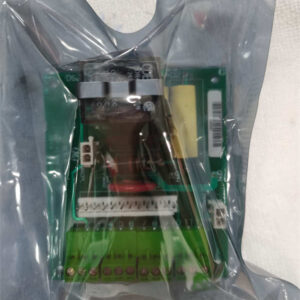
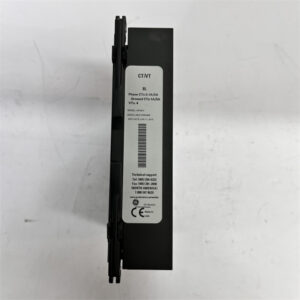
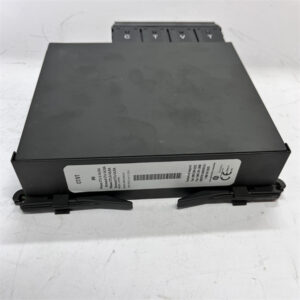
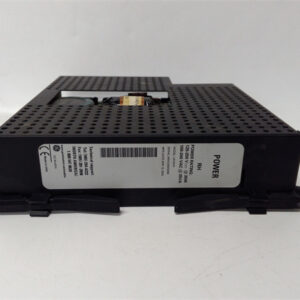
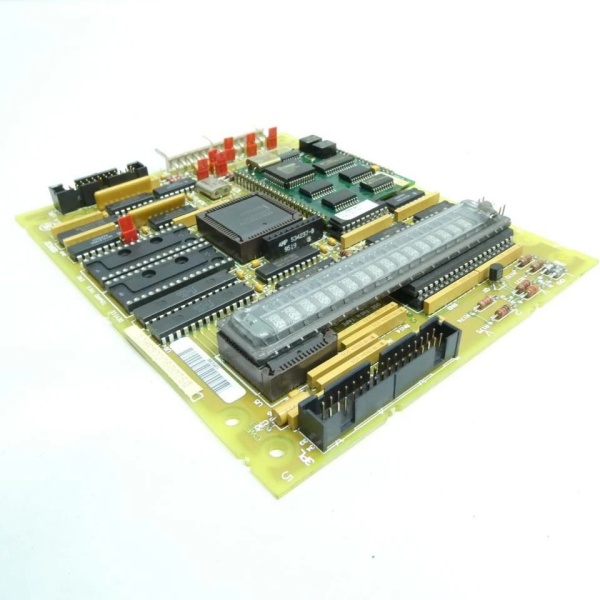
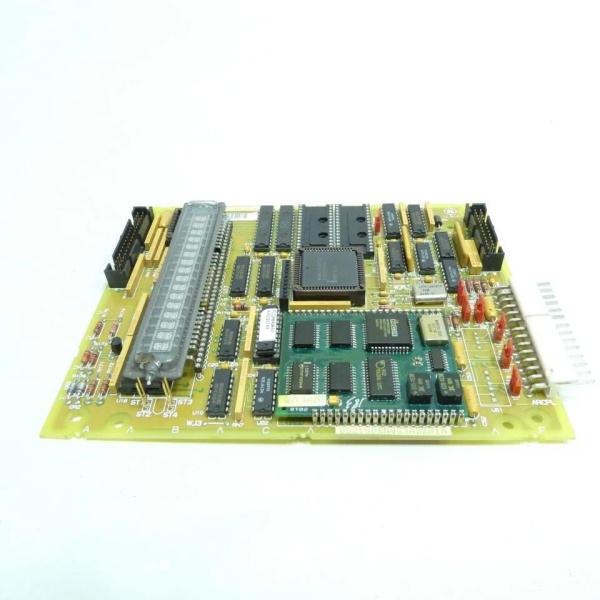
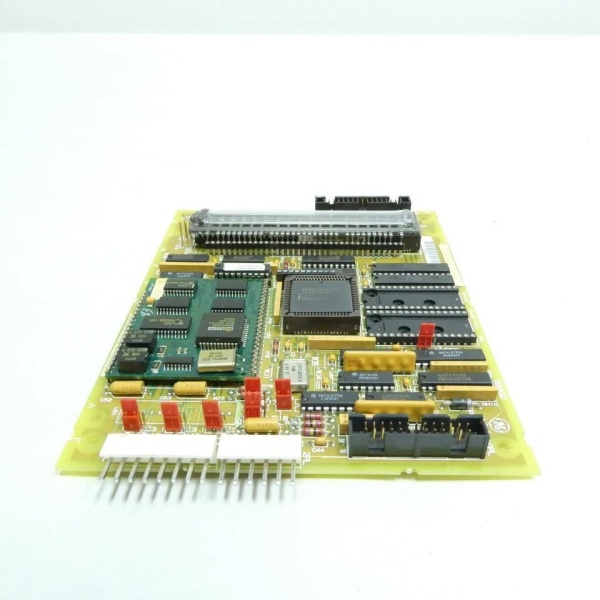
The DS200SLCCG3ACC is a LAN communication board in the GE Mark V Series, sitting at Level 2 (Control) of the Purdue Model. It mounts in the turbine control cabinet and acts as the network gateway. Upstream, it receives digital control signals from the Mark V main processor via the VME backplane. The board’s LAN Control Processor (LCP) formats these into Ethernet packets. Downstream, it transmits these packets to external devices like DC2000 drives, EX2000 exciters, and HMIs using TCP/IP. It also supports Modbus TCP/IP for plant-wide SCADA integration. The VME backplane provides a high-integrity, parallel data path, but the SLCC board’s value is its ability to bridge that deterministic world to the variable-speed, packet-based Ethernet network. Its advantage is consolidating multiple serial links into one managed Ethernet port, reducing cabinet space and wiring complexity. The board’s ruggedized RJ45 and EMI shielding are built for the hot, vibrating environment of a turbine hall.
Core Technical Specifications
-
Physical Interface: 1x RJ45 (10/100Base-T)
-
Signal Type: Digital (Ethernet packets)
-
Channel Density: 1 LAN port
-
Communication Bus: VME backplane (for upstream), Ethernet (for downstream)
-
Protocols Supported: Ethernet (IEEE 802.3), Modbus TCP/IP
-
Data Rate: 10/100 Mbps
-
Power Draw: ≤ 5W
-
Power Supply: 24V DC (±10%)
-
Environmental Tolerance: -40°C to +85°C operating; 5–95% humidity non-condensing
-
Dimensions: ~175 mm × 101 mm × 30 mm
-
Weight: ~0.3 kg
- Certifications: CE, UL, ISO 9001

GE DS200SLCCG3ACC
Customer Value & Operational Benefits
Reduced Cabinet Clutter
Replaces multiple serial communication cards with a single Ethernet interface. This frees up two to three slot positions in the control cabinet, which is always at a premium.
Faster Commissioning
A single Cat5e cable can carry data for multiple devices, cutting initial wiring time by half compared to running individual serial lines.
Simplified Network Management
All external device communication funnels through one IP address. This makes firewall rules and network diagnostics straightforward, versus chasing issues across multiple serial ports.
Field Engineer’s Notes (From the Trenches)
When pulling the board, mind the stiff ribbon cable connecting it to the VME backplane. It’s easy to crack the connector shell if you pull at an angle. Always grip the board by its edges and wiggle the connector straight out. Also, label the Ethernet cable before disconnecting. I’ve seen techs mix up the drive network cable with the HMI cable, causing a loss of control to the actuator. Use a piece of tape and a marker. Finally, if the LINK LED is blinking erratically, suspect the cable run length. The spec is 100 meters max. I once found a 120-meter run coiled behind a panel that worked intermittently until it finally failed.
Real-World Applications
-
Heavy-Duty Gas Turbine Control:
-
Provides the Ethernet link from the Mark V controller to the generator exciter (EX2000).
-
Enables real-time adjustment of excitation current based on grid frequency, maintaining stability.
-
-
Combined Cycle Plant HMI Integration:
-
Connects the Mark V to a CitectSCADA system via Modbus TCP/IP.
-
Allows operators to view turbine parameters and acknowledge alarms from the central control room.
-
High-Frequency Troubleshooting FAQ
Q: What do the LED states (LINK, ACT) on the DS200SLCCG3ACC indicate?
A: The LINK LED (green) shows physical connection status. Solid means a valid link; off means no carrier. The ACT LED (yellow) blinks to show data transmission/reception. If LINK is on but ACT is off, the network is up but no data is flowing—check the VME backplane or the device at the other end.
Q: Can the DS200SLCCG3ACC be replaced with a different revision, like a DS200SLCCG1A?
A: No. The G3 revision is tied to specific firmware in the Mark V processor. A G1 board will not initialize. Always match the part number exactly. The only exception is if a field service bulletin authorizes a cross-revision swap, which is rare.
Q: How do I test the board’s VME backplane connection?
A: With the board removed, use a multimeter to check for 5V DC on pin A1 of the VME connector. If the voltage is absent, the backplane power supply is the issue, not the board.
Q: What causes a “Comm Fail” alarm for the SLCC board?
A: First, check the 24V DC supply at the board’s power terminals. A drop below 21.6V will cause a fault. Second, inspect the VME connector pins for bent or corroded contacts. Third, verify the board is fully seated in its slot.
Commercial Availability & Pricing
Please note: The listed price is not the actual final price. It is for reference only and is subject to appropriate negotiation based on current market conditions, quantity, and availability.