Description
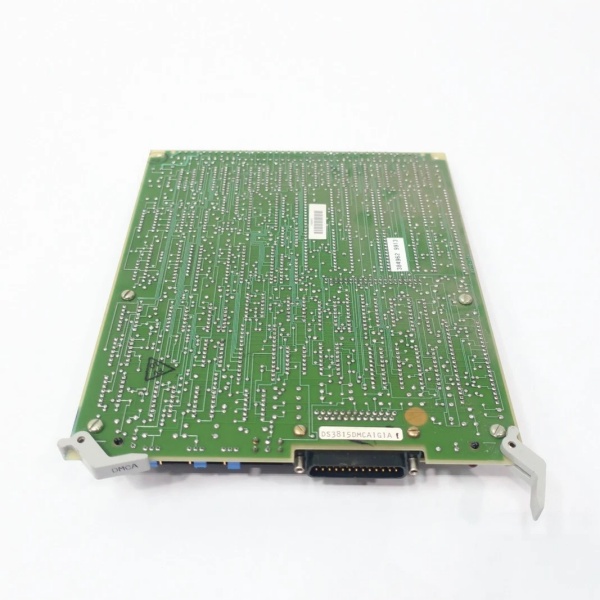
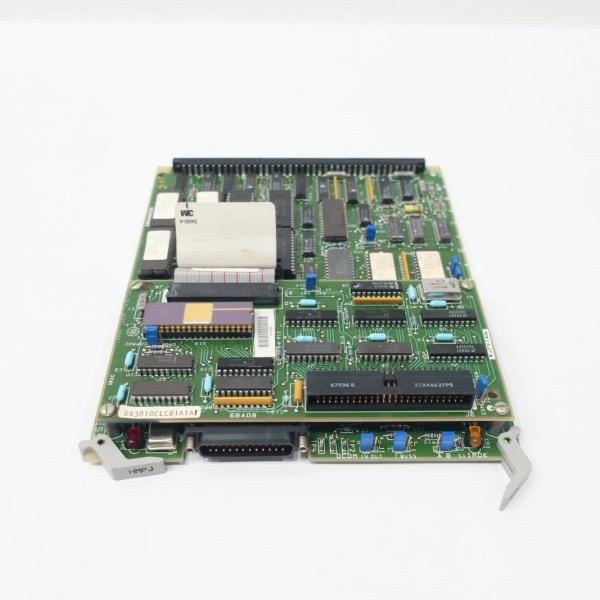
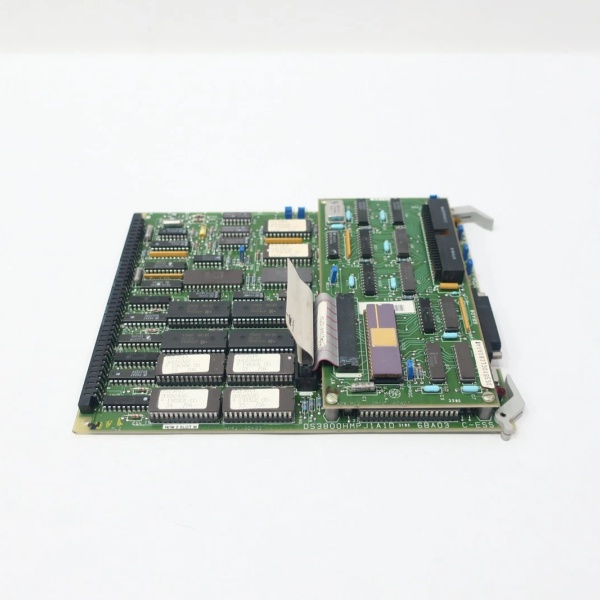
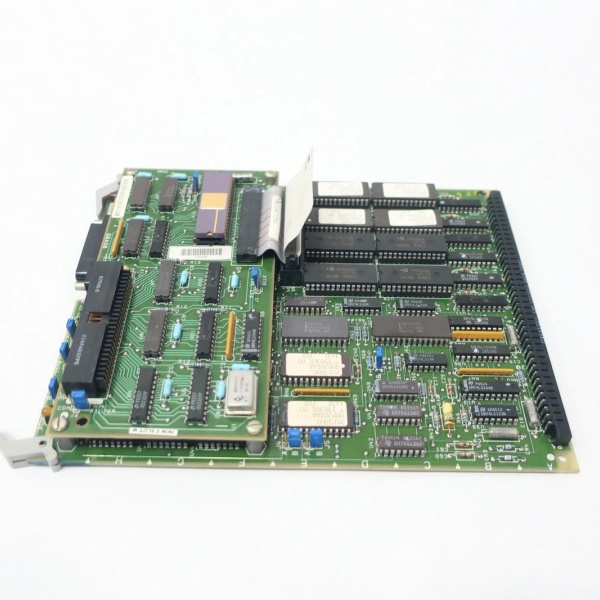
DS3800HMPJ1A1D: Product Overview
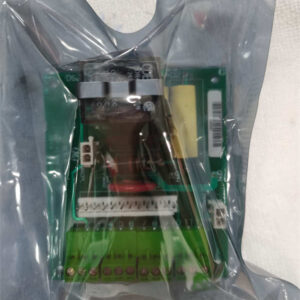
The GE DS3800HMPJ1A1D is a microprocessor board belonging to the Mark IV series (a legacy platform for GE turbine control systems). It is engineered for mission-critical control applications in industrial automation systems, particularly in gas and steam turbine control. As part of the Mark IV ecosystem, it acts as the “brain” of the turbine control system, performing core functions such as signal processing, data communication, and command execution.
Role in Automation Systems:
Positioned as a “core control unit” in Mark IV architectures, the DS3800HMPJ1A1D performs three primary functions:
-
Signal Processing: Receives and processes analog/digital signals from field devices (e.g., temperature sensors, pressure transducers) to extract meaningful data for turbine control.
-
Data Communication: Facilitates seamless data exchange between the turbine control unit and other systems (e.g., SCADA, PLCs) via RS-485 and Ethernet interfaces.
-
Command Control: Executes control algorithms to adjust turbine operations (e.g., fuel flow, valve positions) based on processed data, ensuring stable and efficient performance.
Core Functionality:
-
Triple Modular Redundant (TMR) Design: The board uses TMR architecture—three identical modules working in parallel with a voting system—to ensure high reliability and minimal downtime. If one module fails, the other two continue operating, preventing system failure.
-
Legacy Compatibility: Conforms to VMEbus Rev. C.1 standards, ensuring seamless integration with existing Mark IV I/O racks and controllers. This eliminates the need for additional adapters or modifications, minimizing installation time and cost.
-
Robust Communication: Supports RS-485 and Ethernet interfaces for integration with other systems, enabling comprehensive monitoring and control of turbine operations.
-
Industrial-Grade Durability: Designed to operate in temperatures from -20°C to +60°C, the DS3800HMPJ1A1D withstands the extreme conditions of turbine halls (e.g., vibration, dust, moisture). Its robust PCB layout and high-quality components ensure reliable operation even in harsh environments.
Platform Benefits (Mark IV Series):
The DS3800HMPJ1A1D inherits the Mark IV platform’s strengths, including:
-
Reliability: The Mark IV system is a proven platform for turbine control, with a track record of 24/7 operation in power plants worldwide.
-
Scalability: Supports expansion with additional I/O modules to accommodate growing system demands (e.g., adding more sensors to a turbine control system).
-
Easy Integration: Compatible with GE Fanuc/Emerson PLC/PAC systems, ensuring seamless integration with existing automation architectures.

GE DS3800HMPJ1A1D
Technical Specifications
|
Parameter
|
Specification
|
|---|---|
|
Model Number
|
DS3800HMPJ1A1D (Variant of Mark IV Series)
|
|
Manufacturer
|
GE (General Electric)
|
|
Product Type
|
Microprocessor Board
|
|
Series
|
Mark IV (Turbine Control Systems)
|
|
Bus Compatibility
|
VMEbus Rev. C.1 (fits into Mark IV I/O racks)
|
|
Form Factor
|
6U Eurocard (160 mm × 233 mm)
|
|
Processor
|
High-performance microprocessor (Mark IV series standard)
|
|
Memory
|
Large-scale RAM (for smooth operation)
|
|
Communication
|
RS-485, Ethernet (for system integration)
|
|
Operating Temperature
|
-20°C to +60°C (industrial-grade)
|
|
Storage Temperature
|
-40°C to +85°C
|
|
Humidity
|
5–95% non-condensing
|
|
Weight
|
~0.9 kg (2 lbs)
|
|
Certifications
|
CE, UL (inferred from GE industrial product standards)
|
Core Features & Customer Value
1. High Reliability with TMR Design:
The DS3800HMPJ1A1D’s triple modular redundant architecture ensures continuous operation even if one module fails. This is critical for power plants, where unplanned downtime can result in significant financial losses.
2. Seamless Legacy Integration:
The board’s VMEbus compatibility allows it to work with existing Mark IV components, reducing the cost of system upgrades. This makes it an ideal choice for facilities with aging Mark IV systems, where replacing the entire control architecture is not feasible.
3. Robust Communication Capabilities:
Support for RS-485 and Ethernet interfaces enables seamless integration with other systems, allowing operators to monitor and control turbine operations from a central location. This improves efficiency and reduces the need for on-site maintenance.
4. Industrial-Grade Durability:
The board’s ability to operate in harsh environments (e.g., turbine halls) ensures reliable performance even in extreme conditions. This reduces the risk of unplanned downtime and extends the lifespan of the control system.
GE DS3800HMPJ1A1D
Typical Applications
The GE DS3800HMPJ1A1D is widely used in industrial automation systems for:
-
Power Generation:
-
Controls gas/steam turbines in power plants, ensuring stable power output and efficient fuel use.
-
-
Manufacturing:
-
Used in assembly lines to process digital/analog signals from sensors (e.g., pressure, flow) and control actuators (e.g., valves, motors).
-
-
Petrochemical Industry:
-
Controls digital/analog signals from refinery equipment (e.g., distillation columns, pumps), ensuring safe and efficient operation in hazardous environments.
-