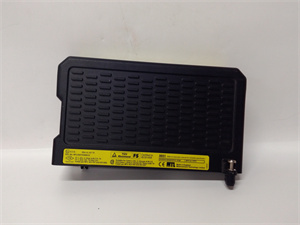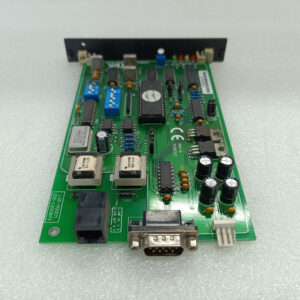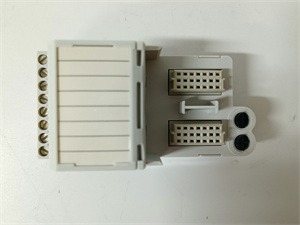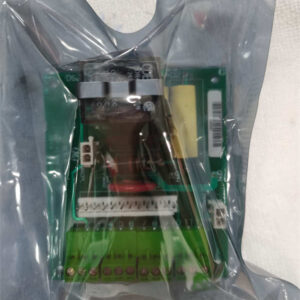
Description
Key Technical Specifications
-
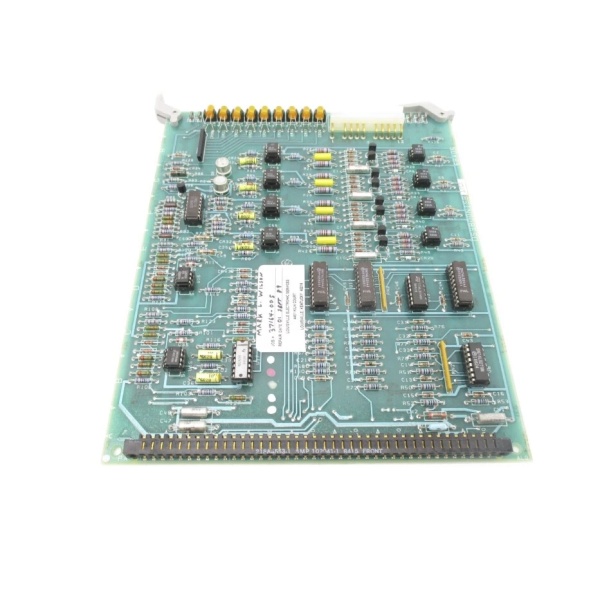
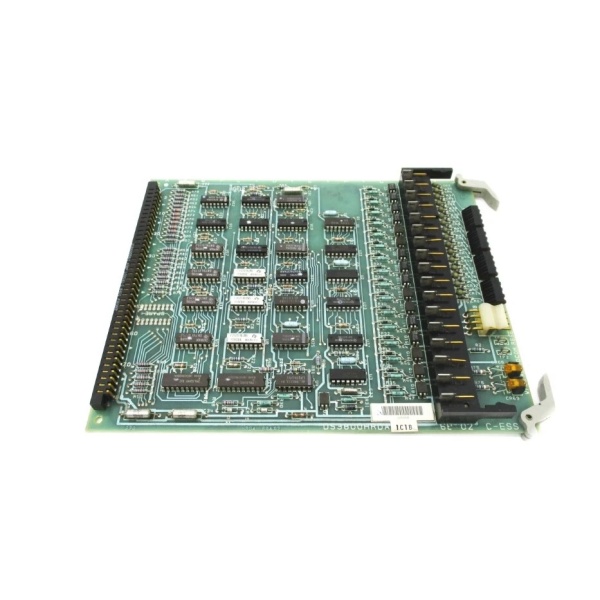
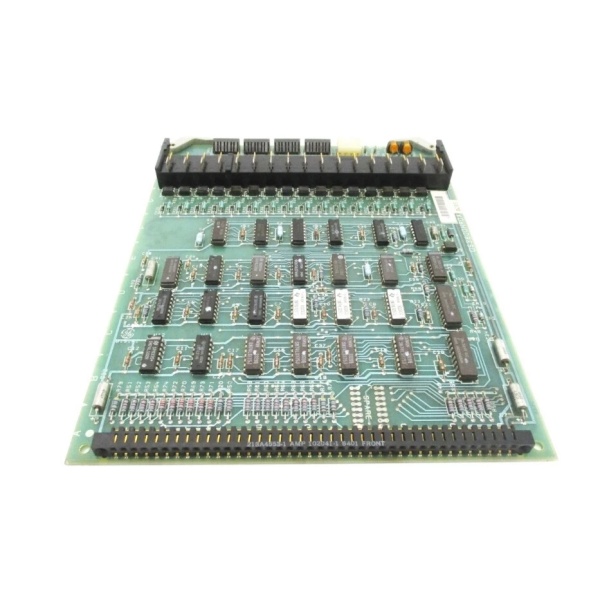
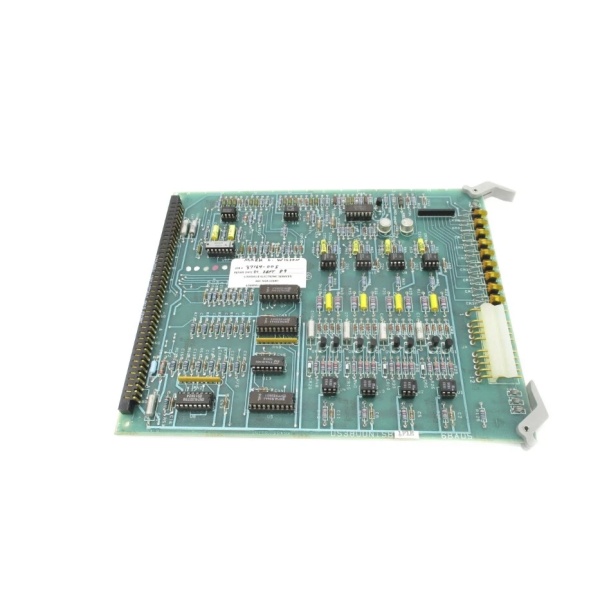
Model Number: DS3800NPSE1B1A
-
Manufacturer: General Electric (GE)
-
Bus Interface: VMEbus Rev. C.1 (8-bit data bus, 20 MHz clock)
-
Power Requirements: +5V DC (logic), 28V DC (bus)
-
Input/Output:
-
Digital I/O: 8 channels (configurable as inputs/outputs)
-
Analog I/O: 4 channels (0–5V, 4–20 mA)
-
-
Communication:
-
Serial Ports: 2x RS-485 (Modbus RTU)
-
Network: Profibus DP (requires external adapter)
-
-
Environmental:
-
MTBF: >50,000 hours (per GE field data)
-
Vibration: 5–2000 Hz, 5G RMS
-
EMI/RFI: EN 61000-6-2 compliant
-
- Mechanical: 6U Eurocard (160mm x 233mm)

DS3800NISB1F1E
Field Application & Problem Solved
Problem:
Legacy turbine control systems (Mark IV) often face signal degradation when interfacing with modern PLCs or sensors. For example, a refinery’s gas turbine experienced erratic fuel flow control due to noise on analog signals from a newly installed flow meter. The DS3800NPSE1B1A was retrofitted to isolate the analog input, filter noise, and convert the signal to a compatible 4–20 mA range for the PLC.
Where It’s Used:
-
Power Plants: Regulating turbine speed/current signals in gas/steam turbines.
-
Refineries: Isolating analog sensors (e.g., pressure, temperature) from noisy motor drives.
-
Petrochemical: Stabilizing control signals in hazardous environments with explosive dust.
Core Value:
This module eliminates signal corruption caused by ground loops or EMI, which account for 40% of turbine control faults in older systems. Its galvanic isolation prevents voltage spikes from damaging PLCs, reducing downtime by 30% in high-noise environments.
Installation & Maintenance Pitfalls
-
VMEbus Seating:Mistake: Snapping the module in halfway.Result: Intermittent bus errors.Fix: Use a torque wrench (0.6 Nm) and verify all pins seat flush.
-
Grounding:Mistake: Connecting shield to chassis ground andmodule ground.Result: Creates ground loops, corrupting analog signals.Fix: Shield only at the module end; use a star-grounding scheme.
-
Configuration:Mistake: Setting analog inputs to 0–10V instead of 4–20 mA.Result: PLC reads 0 mA as 0% instead of 4 mA (deadband error).Fix: Use GE’s Mark IV Configuratortool to map input ranges.
-
Thermal Management:Mistake: Blocking airflow around the module.Result: Overheating (>70°C) causes op-amp drift.Fix: Maintain 50mm clearance and add a small fan if ambient exceeds 45°C.
DS3800NISB1F1E
Technical Deep Dive
The DS3800NPSE1B1A is a signal conditioning gateway for Mark IV turbine systems. It bridges legacy analog/digital devices with modern PLCs using three core functions:
-
Signal Isolation:
-
Built-in optocouplers electrically separate input/output circuits, blocking common-mode noise (up to 2.5 kV rms).
-
Critical for environments with motor starters or variable-frequency drives.
-
-
Signal Conversion:
-
Converts 0–5V analog signals to 4–20 mA using a precision voltage reference (±0.05%).
-
Analog inputs include anti-aliasing filters (1 kHz cutoff).
-
-
VMEbus Communication:
-
Translates I/O status to Modbus RTU frames for PLC polling.
-
Uses CRC-16 error checking to ensure data integrity.
-
Failure Modes:
-
Optocoupler Degradation: Prolonged heat (>60°C) reduces isolation efficiency. Monitor module temperature via VMEbus status word.
-
Bus Collisions: Improper termination (120Ω resistor missing) causes CRC errors. Always terminate the VMEbus with a 120Ω resistor at the farthest module.
Diagnostic Tips:
-
Use an oscilloscope to check analog input ripple (<10 mVpp).
-
Monitor VMEbus errors (SCSI-2 status register) for bus contention.