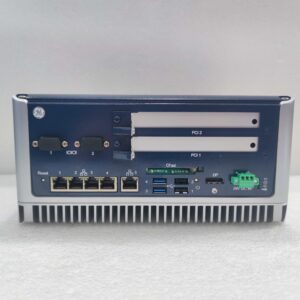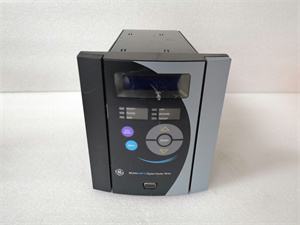
Description
System Architecture & Operational Principle
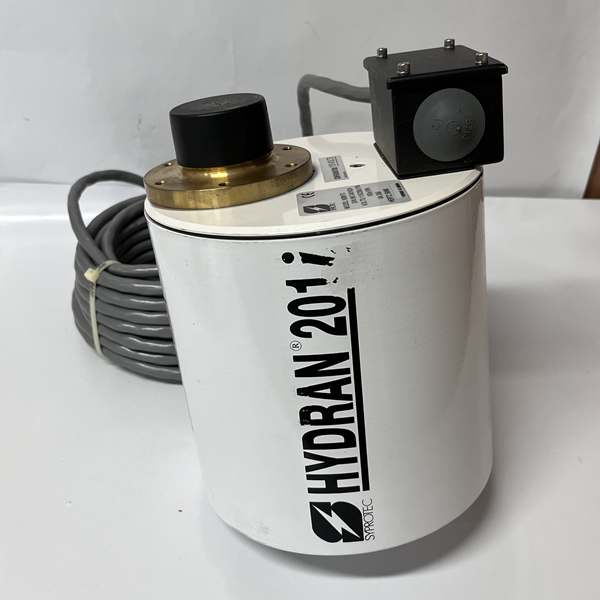
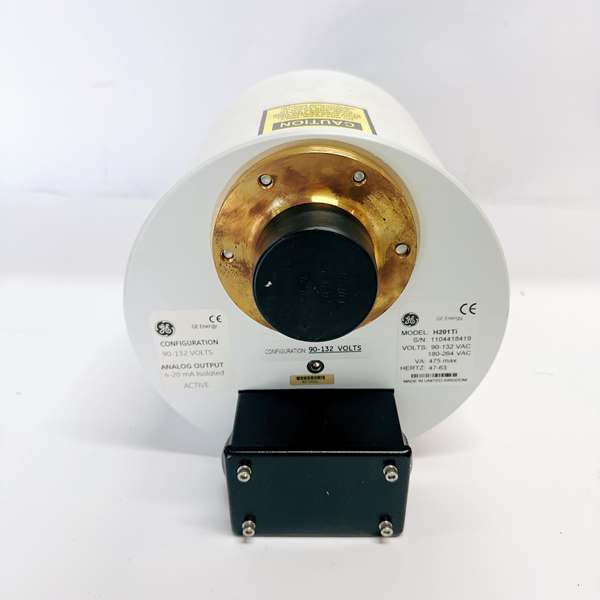
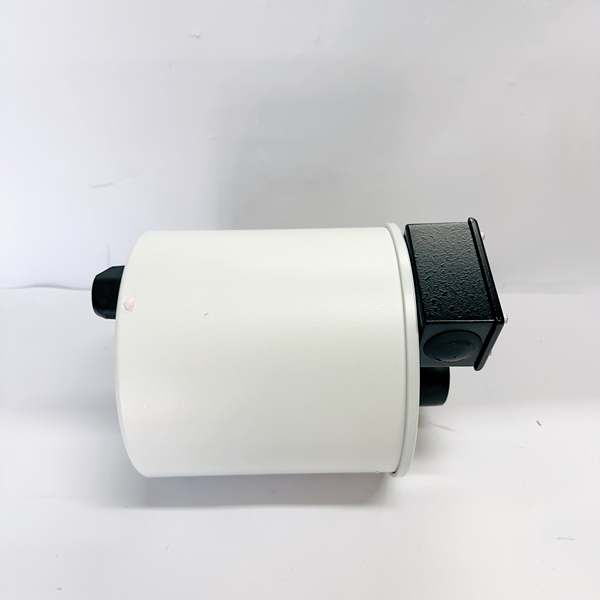
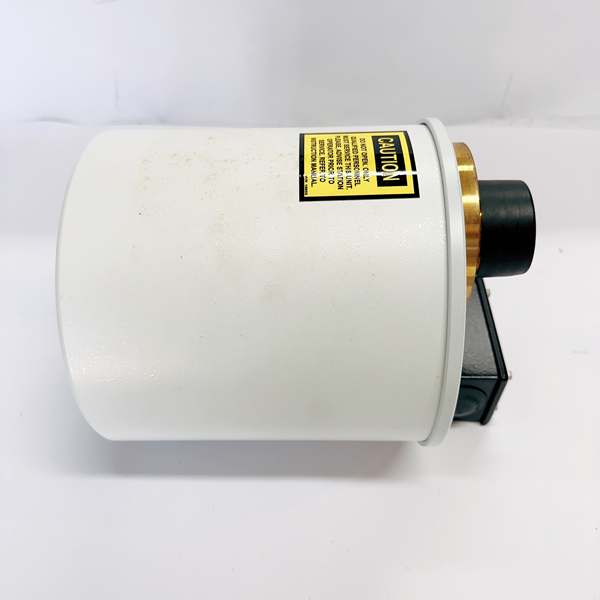
The GE H201TI is a transformer dissolved gas analysis (DGA) monitor within the GE Hydran series, designed for Level 2 (Control) or Level 3 (Operations) of the Purdue Model in industrial automation. It resides permanently on power transformers (via a single oil valve) and serves as the backbone of transformer health monitoring systems, connecting to:
-
Transformer Oil: Extracts dissolved gases (e.g., hydrogen, carbon monoxide) through a vacuum-resistant membrane.
-
Control Systems: Interfaces with SCADA, DCS, or GE’s Proficy software via RS-485/Modbus for real-time data visualization and alarm management.
-
External Devices: Triggers alarms (via dry-contact relays) or sends notifications when gas concentrations exceed predefined thresholds.
Upstream Signal Reception
Receives dissolved gas samples from the transformer oil through a built-in gas extraction membrane. The membrane is resistant to vacuum and contaminants, ensuring reliable gas collection even in harsh environments.
Downstream Logic Execution
Uses a composite gas sensor (100% responsive to hydrogen, sensitive to carbon monoxide, acetylene, and ethylene) to measure gas concentrations. The sensor’s output is processed by a microprocessor, which converts it to a single composite ppm reading (representing overall fault gas levels).
Operational Advantages
-
Early Fault Detection: Identifies incipient faults (e.g., partial discharge, overheating) by monitoring gas trends, allowing preventive maintenance before failures occur.
-
Low Maintenance: No moving parts, pumps, or additional piping—reduces maintenance complexity and cost.
-
Remote Monitoring: Supports serial port communication for remote viewing of gas readings and trends, enabling proactive management from a central location.

H201Ti
Core Technical Specifications
|
Attribute
|
Specification
|
|---|---|
|
Product Type
|
Transformer Dissolved Gas Analysis (DGA) Monitor
|
|
Part Number
|
H201TI (Alias: Hydran H201Ti)
|
|
Monitored Gases
|
Hydrogen (H₂), Carbon Monoxide (CO), Acetylene (C₂H₂), Ethylene (C₂H₄)
|
|
Measurement Range
|
0–2000 ppm (hydrogen equivalent)
|
|
Accuracy
|
±10% of reading ±25 ppm (hydrogen)
|
|
Communication Protocols
|
RS-485 (Modbus RTU/Hydran), Serial Port
|
|
Power Supply
|
110–240 V AC (50/60 Hz) or 18–36 V DC (optional)
|
|
Operating Temperature
|
-40°C to +80°C (-40°F to 176°F)
|
|
Enclosure Rating
|
IP66 (weatherproof)
|
|
Dimensions (W×H×D)
|
~150 mm × 240 mm × 350 mm (5.9 in × 9.4 in × 13.8 in) (approximate)
|
|
Weight
|
~5.6 kg (12.3 lbs)
|
|
Certifications
|
CE, UL, IEEE C57.104 (transformer monitoring standard)
|
Customer Value & Operational Benefits
Reduced Unplanned Outages
The H201TI’s early fault detection capabilities reduce the risk of catastrophic transformer failures, minimizing downtime and associated costs. A utility company using the monitor reported a 40% reduction in unplanned outages due to improved predictive maintenance.
Lower Maintenance Costs
The monitor’s no-moving-parts design and self-diagnostic features (automatic self-test every 15 days) reduce maintenance frequency and labor costs. A power plant using the H201TI cut maintenance costs by 30% compared to traditional oil sampling methods.
Improved Safety
By detecting gas leaks or abnormal gas levels early, the H201TI helps prevent hazardous situations (e.g., transformer fires or explosions). A chemical plant using the monitor reported a 50% reduction in safety incidents related to transformer faults.
Compliance with Standards
The H201TI meets IEEE C57.104 and IEC 60567 standards for transformer DGA, ensuring compliance with regulatory requirements and industry best practices.
Field Engineer’s Notes (From the Trenches)
When installing the H201TI, always use a brass adapter to connect it to the transformer’s oil valve—this ensures a leak-free seal and prevents contamination of the oil sample. I once saw a site where a technician used a steel adapter, resulting in an oil leak that damaged the monitor.Another gotcha: check the gas extraction membrane every 6 months—if it’s clogged with dirt or debris, the monitor will give inaccurate readings. A refinery using the H201TI replaced the membrane annually, which kept the monitor’s accuracy within ±5%.If the monitor’s “FAULT” LED illuminates, run a self-test—the self-test will identify issues like a faulty sensor or power supply problem. Use GE’s Hydran Software to retrieve the self-test results and diagnose the issue quickly.H201Ti
Real-World Applications
-
Power Distribution:A utility company uses the H201TI to monitor 100+ distribution transformers in its network. The monitor’s remote communication capabilities allow operators to check gas levels from a central SCADA system, reducing the need for on-site visits.
-
Industrial Power Systems:A chemical plant uses the H201TI to monitor the transformer supplying power to its reactor. The monitor’s early fault detection prevented a transformer failure that would have shut down the reactor for 2 weeks.
-
Renewable Energy:A wind farm uses the H201TI to monitor the transformers connecting wind turbines to the grid. The monitor’s ability to handle harsh outdoor environments (IP66 rating) ensures reliable operation in coastal areas.
High-Frequency Troubleshooting FAQ
Q: What does the “FAULT” LED indicate on the GE H201TI?
A: The red “FAULT” LED indicates a critical error, such as:
-
Sensor Failure: The composite gas sensor is faulty (run a self-test to confirm);
-
Power Supply Issue: The input voltage is outside the 110–240 V AC range (use a multimeter to test);
-
Oil Valve Closed: The transformer’s oil valve is closed, preventing gas extraction (check the valve position).
Q: Can the H201TI be used with non-GE SCADA systems?
A: Yes, the H201TI supports Modbus RTU (an open protocol), making it compatible with most third-party SCADA systems (e.g., Siemens WinCC, Allen-Bradley FactoryTalk). However, you may need to configure the communication settings (e.g., baud rate, parity) to match the SCADA system’s requirements.
Q: How do I calibrate the H201TI?
A: The H201TI is factory-calibrated and does not require field calibration. However, you should run a self-test every 15 days to ensure the sensor is functioning correctly.
Q: Why is the H201TI’s gas reading unstable?
A: Check three things first:
-
Oil Sample: Ensure the transformer’s oil is not contaminated (e.g., with water or dirt);
-
Membrane: Check the gas extraction membrane for clogs or damage (replace if necessary);
-
Power Supply: Verify the input voltage is stable (110–240 V AC ±10%).
Commercial Availability & Pricing
Please note: The listed price is not the actual final price. It is for reference only and is subject to appropriate negotiation based on current market conditions, quantity, and availability.