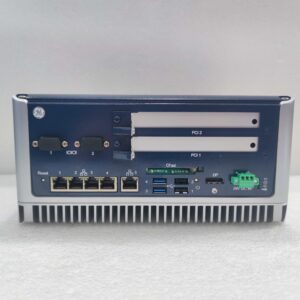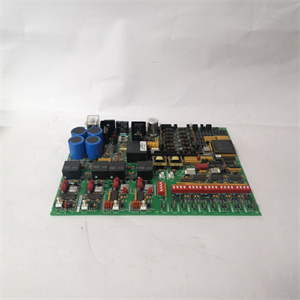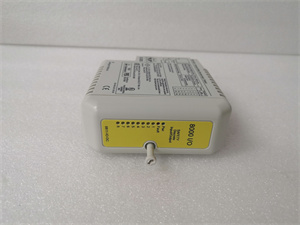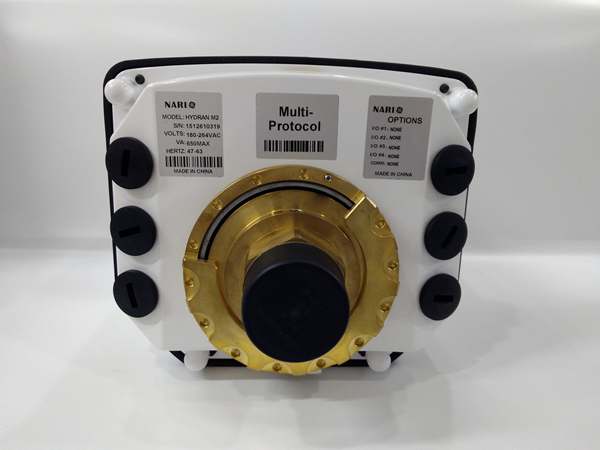
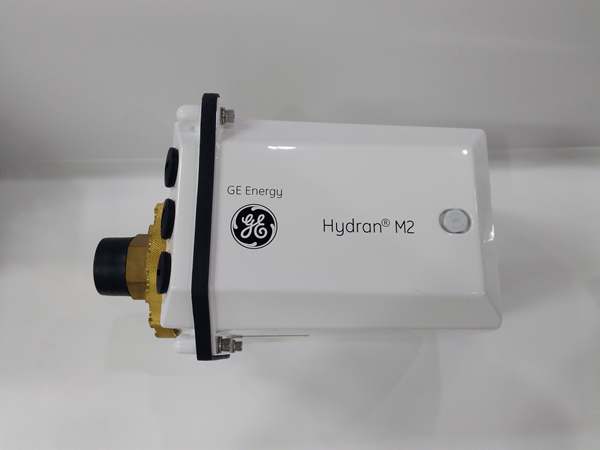
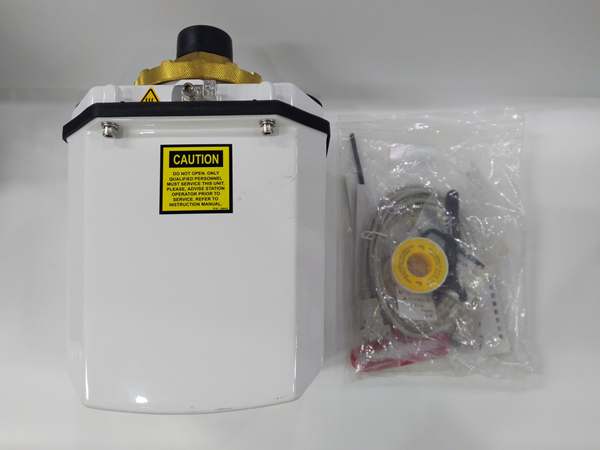
Description
System Architecture & Operational Principle
The GE HYDRAN M2 is a compact, permanently installed online transformer monitoring device designed to detect incipient faults in oil-filled transformers by analyzing dissolved gases (DGA) and oil moisture. It serves as a critical component in transformer condition-based maintenance (CBM) strategies, enabling utilities and industrial facilities to shift from reactive to proactive maintenance.
Core Functional Blocks
The HYDRAN M2 consists of three main functional blocks:
-
Gas Extraction & Sensing: A vacuum-resistant gas extraction membrane separates dissolved gases from transformer oil, which are then detected by electrochemical sensors (for H₂, CO, C₂H₂, C₂H₄) or infrared sensors (for moisture).
-
Signal Processing: The module converts raw sensor signals into digital data, applying algorithms (e.g., Duval Triangle) to identify fault types (e.g., partial discharge, overheating, arcing).
-
Communication & Alarming: The device transmits data to SCADA/DCS systems via RS485 (standard) or TCP/IP (optional) protocols. It also provides local/remote alarms (visual/audible) when gas concentrations or moisture exceed predefined thresholds.
Operational Workflow
-
Gas Separation: The membrane extracts gases from the transformer oil without requiring pumps or additional pipes.
-
Sensor Detection: Electrochemical sensors measure target gases (H₂, CO, C₂H₂, C₂H₄) with high specificity, while infrared sensors track oil moisture.
-
Data Analysis: The module processes sensor data to calculate gas ratios (e.g., C₂H₂/H₂) and compare them to IEEE/IEC standards for fault diagnosis.
-
Alerting: If parameters exceed thresholds, the HYDRAN M2 triggers alarms and sends data to the central monitoring system for further action.
Key Architectural Advantages
-
Zero Downtime Installation: Installs on a single transformer valve without draining oil or shutting down the transformer.
-
No Moving Parts: Eliminates the need for pumps or consumables, reducing maintenance costs.
-
Scalability: Supports up to 4 I/O expansion cards for integrating additional sensors (e.g., oil temperature, load current).

HYDRAN M2
Core Technical Specifications
|
Parameter
|
Specification
|
|---|---|
|
Gas Measurement Range
|
0–2000 ppm (H₂, CO, C₂H₂, C₂H₄)
|
|
Moisture Measurement Range
|
0–100% RH (relative humidity) / 0–1000 ppm (volume concentration)
|
|
Accuracy
|
±10% of reading ±25 ppm (gas); ±2% RH (moisture)
|
|
Response Time
|
10 minutes (90% step change for gas); 5 minutes (moisture)
|
|
Sensor Type
|
Electrochemical (gas); Infrared (moisture)
|
|
Communication
|
RS485 (standard); TCP/IP (copper/fiber, optional)
|
|
Enclosure Rating
|
IP66 (NEMA 4X) cast aluminum
|
|
Operating Temperature
|
-40°C to +55°C (ambient); -50°C to +90°C (oil temperature)
|
|
Power Supply
|
90–264 VAC (47–63 Hz); 650 VA max
|
|
Dimensions
|
233 mm × 102 mm × 41 mm (9.2 in × 4.0 in × 1.6 in)
|
|
Weight
|
1.2 kg (2.6 lbs)
|
|
Certifications
|
IEEE C57.104, IEC 60599, CE, UL
|
Customer Value & Operational Benefits
1. Early Fault Detection to Prevent Catastrophic Failures
The HYDRAN M2 detects trace amounts of fault gases (e.g., C₂H₂, a byproduct of arcing) long before they reach critical levels, allowing maintenance teams to address issues like insulation degradation or winding faults proactively. This reduces the risk of unplanned outages, which can cost millions of dollars in lost revenue for power utilities.
2. Reduced Maintenance Costs with Zero Downtime
The device’s no-moving-parts design and single-valve installation eliminate the need for frequent calibrations or oil drainage, cutting maintenance time and costs. For example, a refinery using HYDRAN M2 reported a 50% reduction in transformer maintenance costs over 3 years.
3. Improved Safety for Personnel & Equipment
By monitoring oil moisture (a key factor in insulation breakdown), the HYDRAN M2 helps prevent electrical faults that could endanger personnel or damage expensive equipment. The IP66 enclosure ensures reliable operation in harsh environments (e.g., outdoor substations, industrial plants).
4. Seamless Integration with Existing SCADA/DCS Systems
Support for RS485 and TCP/IP protocols allows the HYDRAN M2 to integrate with most SCADA/DCS systems, enabling centralized monitoring of transformer fleets. This is critical for utilities managing hundreds of transformers across wide geographic areas.
5. Compliance with Industry Standards
The HYDRAN M2 complies with IEEE C57.104 (DGA for transformers) and IEC 60599 (insulating liquids), ensuring that users meet regulatory requirements for transformer maintenance and safety.
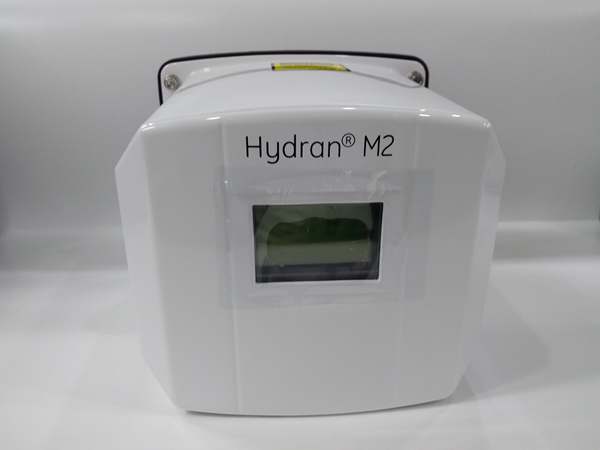
HYDRAN M2
Field Engineer’s Notes (From the Trenches)
When installing the HYDRAN M2, always use a torque wrench to tighten the sensor to the transformer valve—over-tightening can damage the membrane, while under-tightening can cause leaks. I once saw a technician strip the valve threads because he used a pipe wrench instead of the recommended tool.Verify the sensor type (electrochemical vs. infrared) before installation—using the wrong sensor for moisture measurement will result in inaccurate readings. The HYDRAN M2’s manual specifies the correct sensor for each application.Test the communication link (RS485 or TCP/IP) after installation—use a multimeter to check for voltage on the RS485 lines, and ping the device’s IP address to ensure connectivity. I’ve spent hours troubleshooting “no data” faults only to find a misconfigured IP address.
Real-World Applications
1. Power Utility: Transmission Transformer Monitoring
A major U.S. power utility uses HYDRAN M2 monitors on 100+ transmission transformers (230 kV–765 kV). The device detected a rising C₂H₂ level in a 500 kV transformer, indicating an impending winding fault. Maintenance teams replaced the winding before a catastrophic failure, avoiding a $10 million outage.
2. Industrial Plant: Critical Process Transformer
A chemical refinery uses HYDRAN M2 to monitor a transformer supplying power to a critical distillation column. The device’s moisture monitoring feature detected a slow increase in oil humidity, which was traced to a faulty gasket. Replacing the gasket prevented insulation breakdown and a potential plant shutdown.
3. Data Center: Uninterruptible Power Supply (UPS) Transformer
A data center uses HYDRAN M2 to monitor the UPS transformer, which provides backup power to servers. The device’s real-time gas monitoring ensures that any fault (e.g., overheating) is detected immediately, allowing technicians to switch to backup power before servers are affected.