Description
System Architecture & Operational Principle
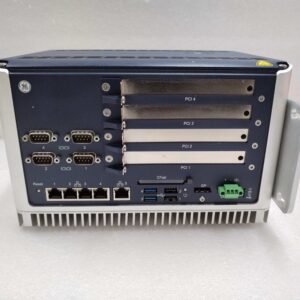
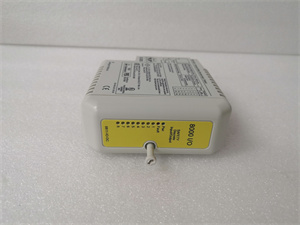
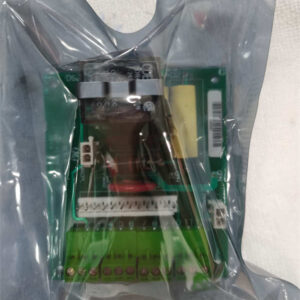
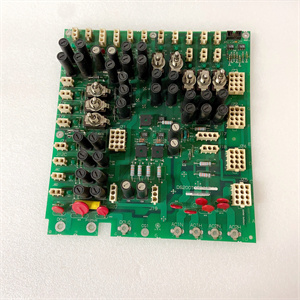
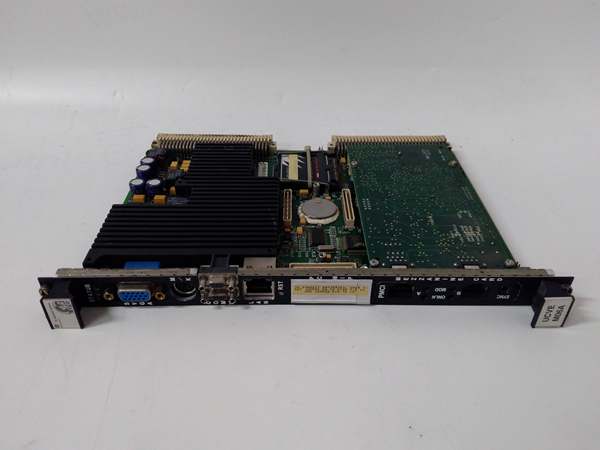
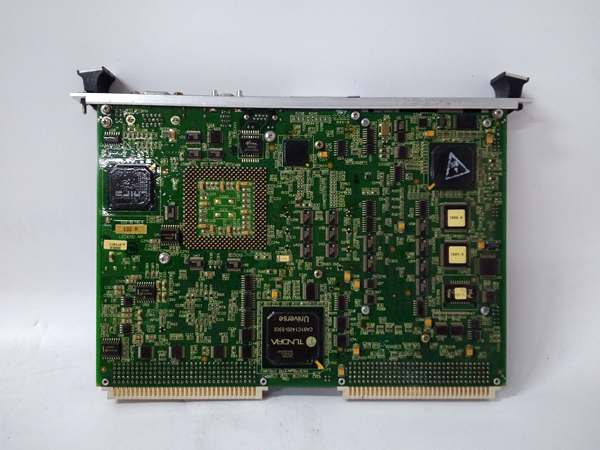
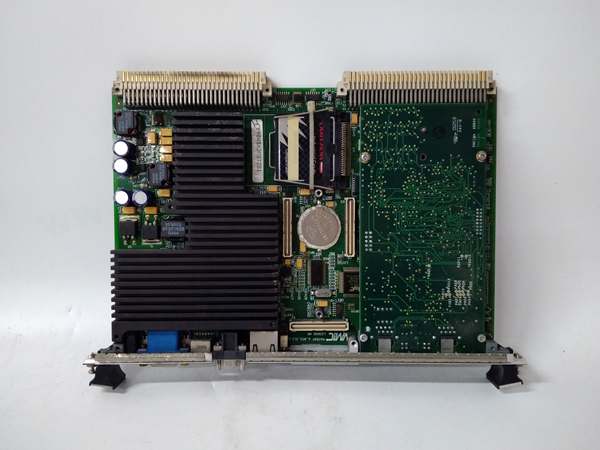
The GE IS215UCVEM06A is a core communication control board in the GE Speedtronic Mark VI turbine control system, designed to enable high-speed data transfer between the turbine controller and external devices. It is typically mounted in a Mark VI rack (Purdue Level 1–2 boundary) and communicates with the controller via the Mark VI backplane.
Core Functional Blocks
The board consists of three main functional blocks:
-
Ethernet Communication Module: Supports multiple Ethernet ports (10/100 Mbps) for connecting to field devices (e.g., sensors, actuators) and external systems (e.g., SCADA, DCS).
-
COM Port Interface: Includes multiple COM ports (RS-232/422) for legacy device integration (e.g., RTUs, meters).
-
Cooling System: A large conduction-cooled unit (occupying half the board) ensures reliable operation in high-temperature environments (up to +85°C).
Operational Workflow
-
Data Reception: The board receives data from field devices (e.g., turbine speed sensors) via Ethernet/COM ports.
-
Signal Processing: The data is processed by the controller (e.g., Mark VI CPU) to adjust control signals (e.g., fuel flow, valve position).
-
Data Transmission: The board transmits control signals to field devices via Ethernet/COM ports, completing the control loop.
Key Architectural Advantages
-
Hot-Swappable: Can be replaced without shutting down the turbine, minimizing downtime in 24/7 power generation applications.
-
Conduction-Cooled: No moving parts (e.g., fans), reducing the risk of mechanical failure in harsh environments.
-
Multiple Ports: Supports both modern Ethernet (10/100 Mbps) and legacy COM (RS-232/422) connections, ensuring compatibility with a wide range of devices.
Core Technical Specifications
|
Parameter
|
Specification
|
|---|---|
|
Model
|
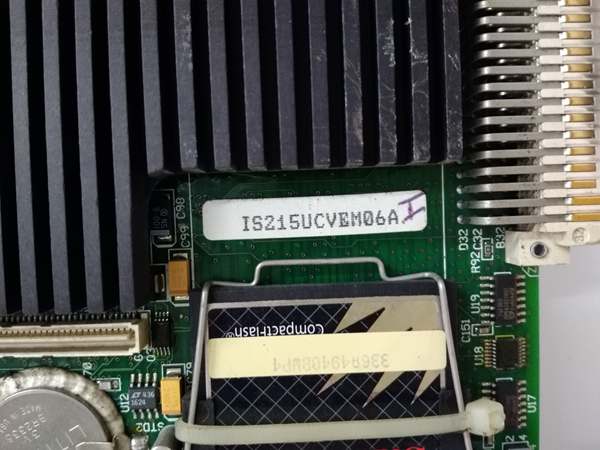
IS215UCVEM06A
|
|
Manufacturer
|
GE (General Electric)
|
|
System Platform
|
Speedtronic Mark VI Turbine Control System
|
|
Hardware Type
|
Ethernet Communication Control Board
|
|
Ports
|
Multiple Ethernet (10/100 Mbps), COM (RS-232/422)
|
|
Operating Temperature
|
-40°C to +85°C (-40°F to +185°F)
|
|
Cooling
|
Conduction-cooled (large cooling unit, 50% of board space)
|
|
Communication
|
100MB Ethernet (supports Mark VI backplane)
|
|
Form Factor
|
Fits in Mark VI rack (Purdue Level 1–2 boundary)
|
|
Certifications
|
CE, UL, RoHS
|
GE IS215UCVEM06A
Customer Value & Operational Benefits
1. Reliable Communication for Turbine Control
The IS215UCVEM06A’s multiple Ethernet/COM ports ensure seamless communication between the turbine controller and field devices, even in harsh environments (e.g., outdoor substations, industrial plants). This is critical for power generation (turbine speed control) and industrial automation (process control).
2. Minimized Downtime with Hot-Swap Design
The ability to replace the board without shutting down the turbine is invaluable for 24/7 power generation facilities. Technicians can perform maintenance during scheduled outages, avoiding costly unplanned downtime.
3. Compatibility with Legacy Systems
The COM port interface (RS-232/422) allows the board to integrate with legacy devices (e.g., RTUs, meters), reducing the need for costly system overhauls. This is essential for facilities with a mix of old and new equipment.
4. Rugged Reliability for Harsh Environments
The conduction-cooled design and wide operating temperature range (-40°C to +85°C) make the board suitable for outdoor substations, offshore oil platforms, or factory floors where temperature extremes and vibration are common.
Field Engineer’s Notes (From the Trenches)
When installing the IS215UCVEM06A, always use a torque wrench to tighten the backplane connectors—over-tightening can damage the pins, while under-tightening can cause intermittent communication. I once saw a technician strip the backplane pins because he used a pipe wrench instead of the recommended tool.Verify the Ethernet port settings (e.g., IP address, subnet mask) if the board isn’t communicating with external systems. I’ve spent hours troubleshooting “no comms” faults only to find a misconfigured IP address.Check the cooling system (e.g., clean the cooling fins) if the board overheats. Dust and debris can block the cooling fins, reducing heat dissipation and causing the board to fail.GE IS215UCVEM06A
Real-World Applications
1. Power Generation: Gas Turbine Control
A natural gas power plant uses the IS215UCVEM06A to connect the Mark VI turbine controller to field sensors (e.g., turbine speed, exhaust temperature). The board’s Ethernet ports enable real-time data transfer to the plant’s SCADA system, allowing operators to adjust setpoints from the control room.
2. Industrial Automation: Steam Turbine Control
A refinery uses the IS215UCVEM06A to control a steam turbine driving a compressor train. The board’s COM ports integrate with legacy RTUs, while the Ethernet ports connect to the plant’s DCS. The hot-swap design allows technicians to replace the board during routine maintenance without shutting down the compressor.
3. Oil & Gas: Offshore Platform Turbine Control
An offshore oil platform uses the IS215UCVEM06A to connect the Mark VI controller to subsea sensors (e.g., pressure, temperature). The board’s wide operating temperature range (-40°C to +85°C) ensures reliable operation in the harsh marine environment.