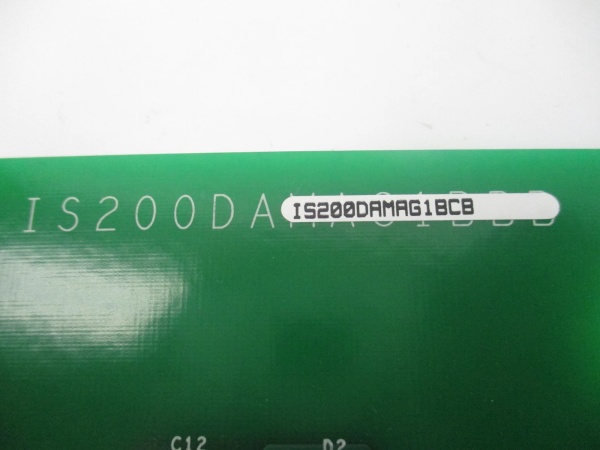
Description
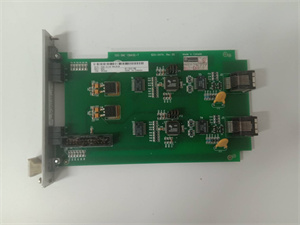
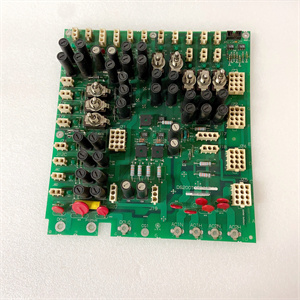
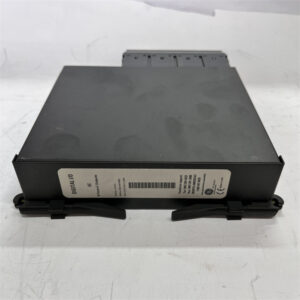
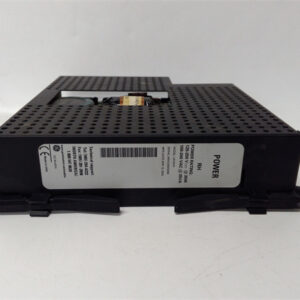
GE IS200IGDMH1BBB Mark VIe Basic Intelligent Gateway Data Conversion Module
Detailed Parameter Table
Parameter Name | Parameter Value ———|——– Product Model | **IS200IGDMH1BBB** Manufacturer | GE General Electric Product Category | Industrial Basic Intelligent Gateway Data Conversion Module Series | Mark VIe (Turbine Control System) Core Function | Key Protocol Conversion, Data Forwarding, Basic Device Interconnection Supported Input Protocols | MODBUS RTU/TCP, HART 7.0, Ethernet/IP Supported Output Protocols | GE SRTP, PROFINET IO, MODBUS TCP Communication Interfaces | 1×Ethernet (RJ45, 10/100Mbps), 2×RS485/RS232, 1×HART Data Processing Latency | ≤10ms (Cross-protocol Conversion) Concurrent Connection Capacity | 16 Nodes (Max) Data Storage Capacity | 4GB (Local Cache for Fault Data) Isolation Voltage | 2000V AC (Signal Interface to Power) Operating Temperature | -10°C to 65°C Storage Temperature | -40°C to 85°C Protection Rating | IP20 (Module), NEMA 12 (Interface Terminal) Physical Dimensions | 150mm × 140mm × 35mm Certifications | UL 508, CE, CSA, IEC 61010-1 Power Supply | 24V DC ±10%, 0.8A Max
Product Introduction
The **GE IS200IGDMH1BBB** is a cost-effective basic intelligent gateway data conversion module customized for GE’s Mark VIe turbine control system, focusing on breaking core protocol barriers between common heterogeneous devices in the turbine control network and realizing reliable data interconnection. As a “practical protocol bridge” in the Mark VIe system’s basic industrial communication architecture, this module is mainly used to connect conventional turbine auxiliary equipment (such as standard variable frequency drives, common intelligent valves), mainstream third-party monitoring instruments, and the core Mark VIe control system. It can convert data from commonly used protocols (such as MODBUS, HART) into standard GE SRTP protocol supported by the Mark VIe system, and realize basic data forwarding between devices of different protocols. Its compact function set, high cost-effectiveness, and easy operation make it an ideal choice for basic digital upgrading of turbine control systems in thermal power plant auxiliary turbines, industrial boiler steam turbines, small hydropower turbines, and other conventional application scenarios.
What distinguishes the **GE IS200IGDMH1BBB** is its practical core protocol processing capability, high cost-effectiveness, and simplified operation—advantages that meet the core demand for economical and reliable interconnection of conventional heterogeneous systems in general turbine control. Leveraging GE’s mature industrial communication technology, the module adopts a single-core high-efficiency processor architecture, focusing on optimizing the conversion efficiency of mainstream protocols to ensure the basic real-time performance of data transmission. It supports 6 types of commonly used industrial protocols, covering the main communication needs of conventional turbine auxiliary equipment, eliminating the need for complex multi-gateway matching. The data processing latency is controlled within 10ms, fully meeting the real-time requirements of conventional turbine auxiliary equipment control. With 2000V AC isolation between interfaces and a simplified and robust design, it ensures the reliability of data transmission in general industrial environments. By building a “cost-effective communication link” between the Mark VIe system and conventional heterogeneous devices, it provides solid support for the basic intelligent upgrade of turbine control systems at a reasonable cost.
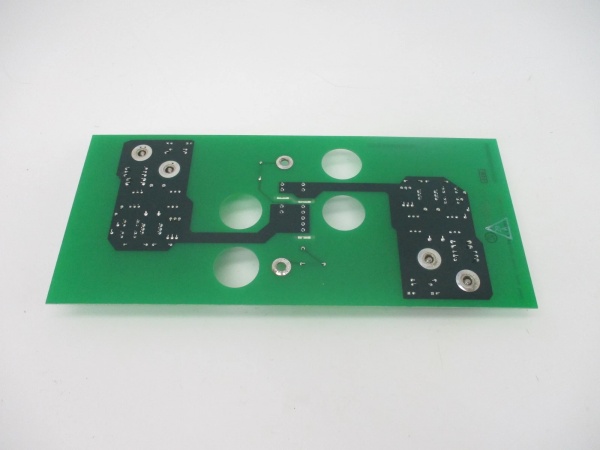
IS200IGDMH1BBB
Core Advantages and Technical Highlights
Core Protocol Integration and Reliable Conversion: The **IS200IGDMH1BBB** integrates mainstream protocol processing modules, supporting bidirectional conversion between core input and output protocols. For field devices, it can access MODBUS RTU-based pressure transmitters and HART 7.0-based flow meters; for Ethernet devices, it is compatible with Ethernet/IP-based conventional intelligent valves and PROFINET IO-based basic monitoring instruments. It converts these heterogeneous data into GE SRTP protocol for real-time interaction with the Mark VIe control system, and can also realize data forwarding between MODBUS TCP devices. For example, when connecting a third-party MODBUS RTU temperature transmitter to the Mark VIe system, the module converts the transmitter’s temperature data corresponding to 4-20mA into SRTP-compliant data frames within 8ms, ensuring the control system obtains reliable temperature monitoring data.
Balanced Real-time Performance and Basic Data Caching: The module adopts a focused processing architecture to ensure the real-time performance of key control data. It processes protocol conversion of conventional control signals (such as common drive speed regulation commands, basic valve opening control signals) with a latency ≤10ms, meeting the control timeliness of general turbine auxiliary equipment. The module is equipped with 4GB local storage, which is mainly used to cache key equipment fault records and short-term operation data. When the network is temporarily interrupted, it can store up to 1 month of core data, ensuring no loss of key information. This design balances the needs of real-time control and basic data retention, avoiding the waste of resources caused by excessive functions.
Simplified Network Management and Fault Prompt: The **IS200IGDMH1BBB** supports remote configuration and basic network management through GE SRTP protocol. Maintenance personnel can configure core parameters such as protocol conversion rules, data forwarding frequency, and basic alarm thresholds through the Mark VIe Configuration Studio. The module has a built-in basic fault diagnosis function, which can monitor the communication status of connected devices in real time, automatically detect common faults such as communication interruptions and data anomalies, and send fault prompt signals to the Mark VIe control system. It supports offline firmware updates and configuration backups, which is simple and easy to operate, greatly reducing the maintenance difficulty for on-site personnel.
Basic Safety Isolation and General Environment Adaptability: The module adopts two-level isolation design between power supply and communication interface, with an isolation voltage of 2000V AC, which can effectively suppress common-mode interference in the conventional turbine control network and prevent fault spread between devices. It meets the requirements of general industrial safety standards, ensuring the reliable transmission of conventional operation data. The operating temperature range of -10°C to 65°C enables it to adapt to general working environments such as turbine control rooms with moderate temperature changes and normal dust levels. The streamlined structural design reduces the number of external interfaces while ensuring basic functions, lowering the probability of interface faults and facilitating on-site installation.
Typical Application Scenarios
In thermal power plant auxiliary turbine (induced draft fan turbine) control systems, the **IS200IGDMH1BBB** serves as the core basic protocol conversion gateway. It connects 4 MODBUS RTU variable frequency drives (controlling induced draft fans and feedwater pumps), 6 HART 7.0 pressure transmitters, and 2 Ethernet/IP intelligent valves. The module converts the speed feedback signals of the variable frequency drives, pressure data of the transmitters, and opening status signals of the valves into GE SRTP protocol, and transmits them to the Mark VIe control system with a latency of ≤9ms. At the same time, it converts the control system’s speed regulation commands and valve control signals into corresponding protocols and sends them to the field equipment, realizing the centralized control of conventional auxiliary equipment. When a fan frequency converter fails, the module immediately sends a fault alarm signal to the control system and caches the fault code in the local storage, enabling maintenance personnel to quickly locate and handle the fault.
In industrial boiler steam turbine monitoring systems (such as food factory self-provided power turbines), the **IS200IGDMH1BBB** undertakes the basic data aggregation and protocol conversion tasks. It connects 5 MODBUS TCP temperature monitoring instruments, 3 HART 7.0 flow meters, and 1 PROFINET IO generator basic status monitor on the production site. The module converts the collected multi-protocol data into GE SRTP protocol and transmits it to the on-site Mark VIe control system. It also realizes data interaction between MODBUS TCP temperature instruments and the control system, ensuring the control system can timely grasp the steam temperature, oil temperature, and other key parameters of the turbine. The module’s 2000V AC isolation function effectively resists the electromagnetic interference from the factory’s production equipment and power lines, and the local 4GB cache ensures that key data is not lost when the on-site network is temporarily interrupted. Its -10°C to 65°C operating temperature range adapts to the temperature changes of the factory control room, and the simplified structure is convenient for on-site personnel to maintain.
In small hydropower plant turbine conventional system integration projects, the **IS200IGDMH1BBB** realizes the interconnection between the Mark VIe control system and common third-party equipment. It connects the MODBUS RTU-based water level detector, Ethernet/IP-based basic vibration monitor, and PROFINET IO-based auxiliary pump control unit. The module converts the water level data, vibration amplitude signals, and pump status signals into GE SRTP protocol and transmits them to the Mark VIe control system, ensuring that the control system can timely obtain the basic operation status of the turbine. When the water level is too low or the vibration exceeds the conventional threshold, the module quickly forwards the alarm signal to the control system, which executes the corresponding adjustment measures (such as reducing the turbine output or starting the standby pump). The module’s simplified data processing mode ensures stable operation without complex configuration, which is in line with the maintenance capabilities of small hydropower plant personnel.
Related Model Recommendations
**IS200IGDMH2BBB**: Extended basic variant of **IS200IGDMH1BBB**, supporting 8 types of common protocols and 24 concurrent connections, suitable for conventional turbine control networks with more equipment.
**IS200MACCH1A**: Standard Mark VIe control module that receives and processes the standardized data from **IS200IGDMH1BBB**, executes conventional turbine control logic, and issues control commands.
**IS200RAPAG1BBA**: Mark VIe basic redundant power adapter module that provides stable 24V DC power for **IS200IGDMH1BBB**, ensuring continuous operation of the basic gateway link.
**GE PowerFlex 525 VFD**: Cost-effective variable frequency drive that connects with **IS200IGDMH1BBB** via MODBUS RTU protocol, realizing basic speed regulation and status feedback under the Mark VIe control system.
**IC754VSF08CTD**: Standard monitoring HMI that displays the real-time communication status, data conversion results, and fault prompts of **IS200IGDMH1BBB**, facilitating on-site operation.
**GE Edge Gateway Basic**: Entry-level edge computing device that receives the turbine operation data forwarded by **IS200IGDMH1BBB** via MODBUS TCP protocol, realizing basic local data analysis.
**IS200NIOBG1B**: Mark VIe basic network interface module that provides standardized Ethernet connection for **IS200IGDMH1BBB** and the Mark VIe control system, ensuring stable basic data interaction.
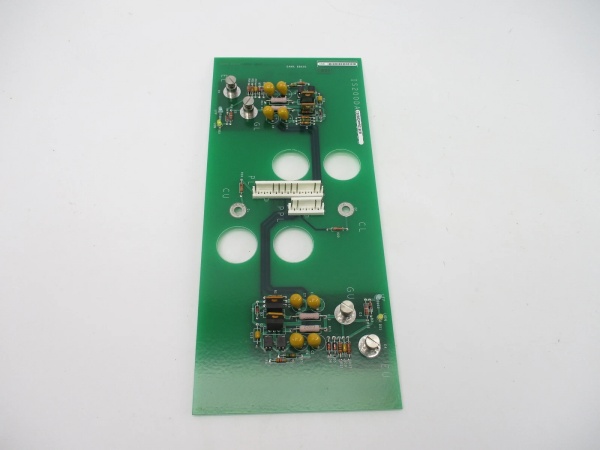
IS200IGDMH1BBB
Installation, Commissioning and Maintenance Instructions
Installation preparation: Before installing **IS200IGDMH1BBB**, power off the Mark VIe control cabinet and connected field equipment, and confirm the mounting slot compatibility (reserve ≥8cm heat dissipation space around the module). According to the protocol type of the connected equipment, correctly connect the Ethernet interface (RJ45), RS485/RS232 interface, and HART interface, ensuring the wiring is firm and the polarity is correct. Use shielded cables for communication wiring, with the shield grounded at the control cabinet end (single-point grounding) to avoid interference. Configure the module via Mark VIe Configuration Studio, including core parameters such as protocol conversion rules, data mapping relationship, and basic alarm threshold. Perform communication link testing and insulation resistance testing (interface to ground ≥200MΩ) before power-on to ensure the correctness of the configuration and wiring.
Maintenance suggestions: Conduct daily remote monitoring of the communication status, data conversion latency, and cache usage of **IS200IGDMH1BBB** via the upper system, focusing on checking whether the data transmission is normal and whether there is any equipment disconnection prompt. Perform monthly on-site inspections: clean the dust on the module and interface terminals, check the tightness of the wiring terminals (torque ≥1.0N·m), and measure the module surface temperature (normal ≤65°C). Verify the protocol conversion accuracy and data transmission latency quarterly using a general industrial communication tester, ensuring the latency is within 10ms. Back up the module configuration parameters semi-annually and clear the historical fault records in the local cache. Conduct annual insulation resistance testing (interface to interface ≥2000MΩ at 2000V AC). Update the module firmware annually via GE’s local technical support platform, and confirm the compatibility with connected equipment before updating. After maintenance, perform a basic system communication test to ensure the data interaction between the Mark VIe system and connected devices is normal.
Service and Guarantee Commitment
GE General Electric provides a 48-month quality guarantee for the **IS200IGDMH1BBB**, covering manufacturing defects, core protocol conversion failure, communication interface damage, and key data loss under normal operating conditions. Our technical team offers 8×5 on-site and remote assistance, including module configuration guidance, basic fault diagnosis, and operation training. Customers can obtain Mark VIe basic gateway configuration tools and module technical manuals for free during the guarantee period. Priority service customers enjoy 48-hour emergency replacement of faulty modules and on-site technical support services, ensuring minimal downtime for the basic turbine heterogeneous system interconnection. For batch application projects, we provide customized on-site installation guidance and centralized training services to improve the efficiency of project implementation.