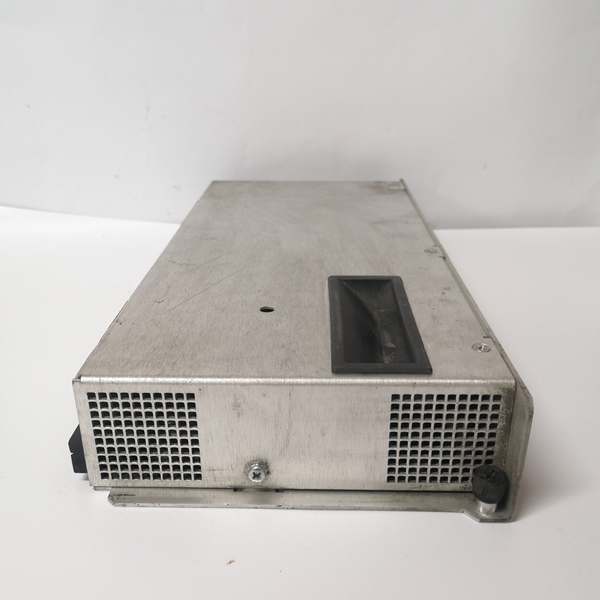
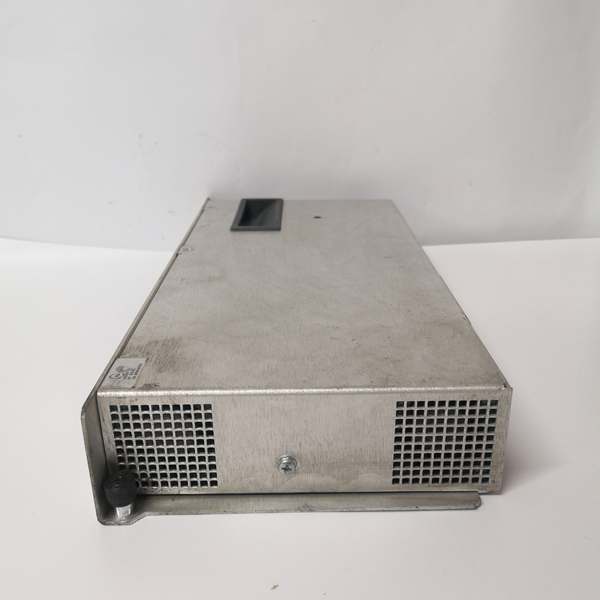
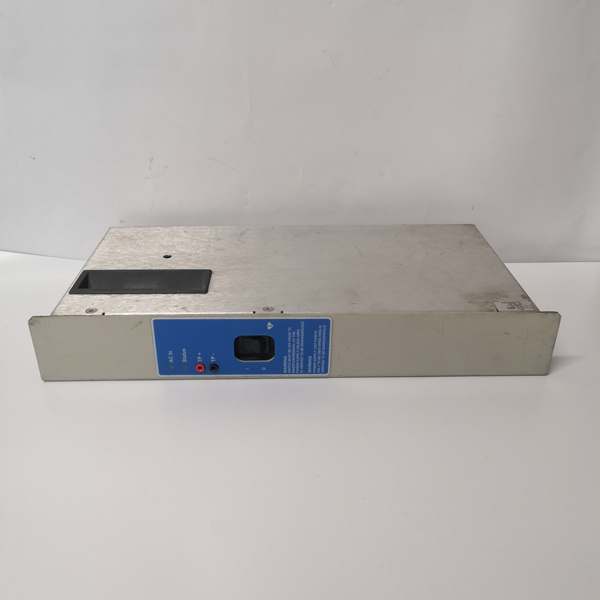
Description
System Architecture & Operational Principle
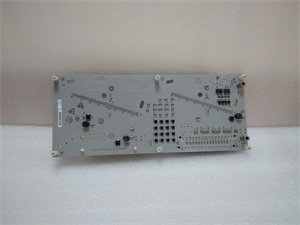
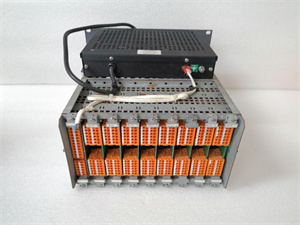
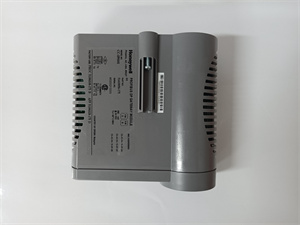
The Honeywell 51199929-100 is a core power distribution component within the Honeywell TDC 3000 DCS, designed for Level 1 (Control) of the Purdue Model in industrial automation. It resides in the TDC 3000 power distribution cabinet (typically mounted on DIN rails) and serves as the bridge between plant-wide AC power supplies (e.g., 10kV/380V transformers) and TDC 3000 system components (e.g., CPUs, I/O modules, communication interfaces).
Upstream Communication
Receives 100-240V AC power from external sources (e.g., plant-wide power distribution systems, UPS). The input voltage range ensures compatibility with various industrial power supplies, including those in harsh environments like refineries or chemical plants.
Downstream Communication
Converts the AC input to stable 24V DC output (±5% regulation) using switching power supply technology. The 24V DC output is transmitted to TDC 3000 components via terminal blocks or backplane connectors, powering critical systems like:
-
TDC 3000 CPUs: For logic processing and control.
-
I/O Modules: For analog/digital signal acquisition (e.g., pressure transmitters, valve positions).
-
Communication Interfaces: For data exchange with field devices (e.g., Modbus, Profibus).
Operational Advantages
-
High Reliability: Designed for 24/7 operation in mission-critical environments, with a mean time between failures (MTBF) of >100,000 hours.
-
Stable Output: Tight voltage regulation (±5%) ensures consistent power to sensitive TDC 3000 components, preventing logic errors or hardware damage.
-
Redundant Compatibility: Can be paired with other Honeywell power supplies (e.g., 51199948-100) for dual-redundant configurations, ensuring uninterrupted power in case of a failure.
Core Technical Specifications
|
Attribute
|
Specification
|
|---|---|
|
Input Voltage
|
100-240V AC, 50/60Hz (±10% tolerance)
|
|
Output Voltage
|
24V DC ±5% (regulated)
|
|
Output Current
|
10A continuous (max)
|
|
Power Rating
|
240W (max)
|
|
Efficiency
|
≥90% (typical)
|
|
Operating Temperature
|
0°C to +60°C (32°F to 140°F)
|
|
Storage Temperature
|
-40°C to +85°C (-40°F to 185°F)
|
|
Humidity Range
|
5% to 95% non-condensing
|
|
Protection Features
|
Overvoltage, overcurrent, short-circuit, overtemperature
|
|
Mounting Type
|
DIN rail (35mm) or panel mount
|
|
Dimensions (W×H×D)
|
~100 mm × 150 mm × 100 mm (3.94 in × 5.91 in × 3.94 in) (estimated)
|
|
Weight
|
~1.0 kg (2.2 lbs)
|
|
Certifications
|
UL, CE, CSA
|
|
Compatibility
|
TDC 3000/TDC 2000 DCS systems; works with Honeywell I/O modules (e.g., 51309138-175)
|
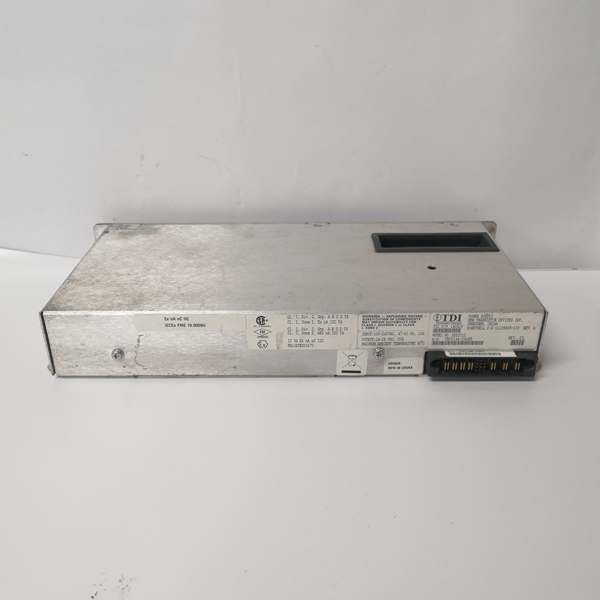
Honeywell 51199929-100
Customer Value & Operational Benefits
Uninterrupted Process Control
The 51199929-100’s stable 24V DC output ensures that TDC 3000 systems remain operational even during input voltage fluctuations (e.g., 100V AC to 240V AC). This stability is critical for refineries, where a power glitch could lead to a shutdown of distillation columns, resulting in millions of dollars in losses.
Reduced Maintenance Costs
The module’s hot-swappable design allows technicians to replace it without shutting down the TDC 3000 system, minimizing downtime during maintenance. A chemical plant using the 51199929-100 reported a 50% reduction in maintenance time compared to traditional power supplies.
Cost-Effective Redundancy
By pairing the 51199929-100 with a redundant power supply (e.g., 51199948-100), facilities can achieve N+1 redundancy, ensuring that if one power supply fails, the other takes over seamlessly. This eliminates the need for expensive uninterruptible power supplies (UPS) for critical systems.
Compliance with Industry Standards
The module’s UL, CE, and CSA certifications ensure it meets the rigorous safety and performance requirements of industries like oil & gas, chemical processing, and power generation. This compliance is essential for facilities seeking to adhere to regulatory standards (e.g., OSHA, ATEX).
Field Engineer’s Notes (From the Trenches)
When installing the 51199929-100, always use shielded AC cables (12-24 AWG) for input connections—unshielded cables can pick up electromagnetic interference (EMI) from nearby power lines, leading to erratic output voltage. I once saw a site where a contractor used unshielded cables, resulting in a “power supply fault” alarm that took 2 hours to diagnose.Another gotcha: check the terminal block torque—the 51199929-100 uses screw terminals for output connections. If the torque is too low, the wires can come loose, causing intermittent power loss. Use a torque wrench to tighten the terminals to 0.8 N·m (7 lb-in)—this is the sweet spot for secure connections without damaging the terminals.If the module’s “FAULT” LED is red, first check the input voltage—use a multimeter to verify that the AC input is within 100-240V AC. I’ve fixed countless “fault” errors by replacing a faulty UPS that was supplying 150V AC instead of 240V AC.
Real-World Applications
-
Oil Refinery: Distillation Column ControlA Gulf Coast refinery uses the 51199929-100 to power the TDC 3000 system that controls its crude oil distillation columns. The module’s stable 24V DC output ensures that the column’s temperature and pressure are maintained within tight tolerances, maximizing gasoline yield.
-
Chemical Plant: Reactor Batch ManagementA Midwest chemical plant uses the 51199929-100 to power the TDC 3000 system that manages its batch reactors. The module’s redundant compatibility allows it to be paired with a second 51199929-100, ensuring that if one power supply fails, the reactor’s control system remains operational.
-
Power Generation: Turbine MonitoringA Texas power plant uses the 51199929-100 to power the TDC 3000 system that monitors its gas turbines. The module’s wide operating temperature range (0°C to +60°C) ensures reliable operation in the hot environment near the turbines.

Honeywell 51199929-100
High-Frequency Troubleshooting FAQ
Q: What does the “FAULT” LED indicate on the 51199929-100?
A: The red “FAULT” LED indicates a critical error, such as:
-
Input Voltage Out of Range: The AC input is below 100V AC or above 240V AC.
-
Overcurrent: The output current exceeds 10A (e.g., due to a short circuit in the TDC 3000 system).
-
Overtemperature: The module’s internal temperature exceeds 60°C (e.g., due to poor ventilation).Check the input voltage and output load first. If the input voltage is within range and the load is not excessive, replace the module.
Q: Can the 51199929-100 be used with non-TDC 3000 systems?
A: While the 51199929-100 is designed for TDC 3000 systems, it can be used with other industrial automation systems that require 24V DC power. However, you may need to modify the terminal blocks or wiring to match the non-TDC 3000 system’s requirements.
Q: How do I replace the 51199929-100?
A: Follow these steps:
-
Power Down: Turn off the AC power supply to the 51199929-100.
-
Disconnect Wires: Unscrew the terminal blocks and disconnect the AC input and DC output wires.
-
Remove Module: Unscrew the module from the DIN rail (use a Phillips screwdriver).
-
Install New Module: Secure the new 51199929-100 to the DIN rail and tighten the screws.
-
Reconnect Wires: Reconnect the AC input and DC output wires to the terminal blocks.
-
Power Up: Turn on the AC power supply and verify the module’s operation (check the “OK” LED).
Q: Why is the 51199929-100’s output voltage low?
A: Low output voltage is usually caused by:
-
Input Voltage Too Low: The AC input is below 100V AC.
-
Overloaded Output: The TDC 3000 system is drawing more than 10A of current.
-
Faulty Module: The module’s internal voltage regulator is damaged.Check the input voltage and output load first. If the input voltage is within range and the load is not excessive, replace the module.
Commercial Availability & Pricing
Please note: The listed price is not the actual final price. It is for reference only and is subject to appropriate negotiation based on current market conditions, quantity, and availability.