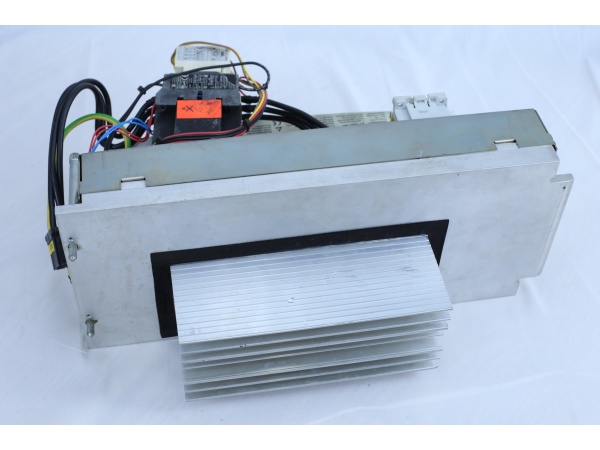
Description
System Architecture & Operational Principle
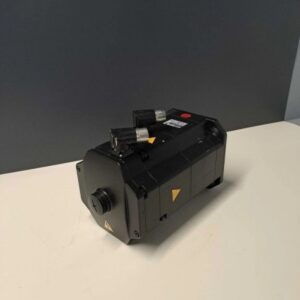
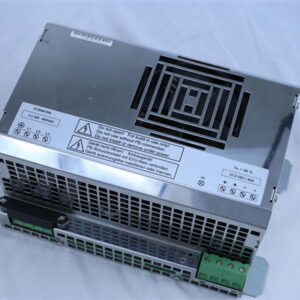
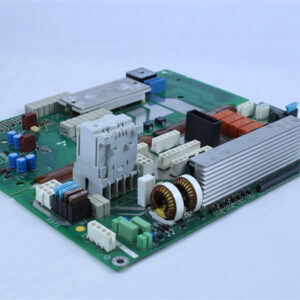
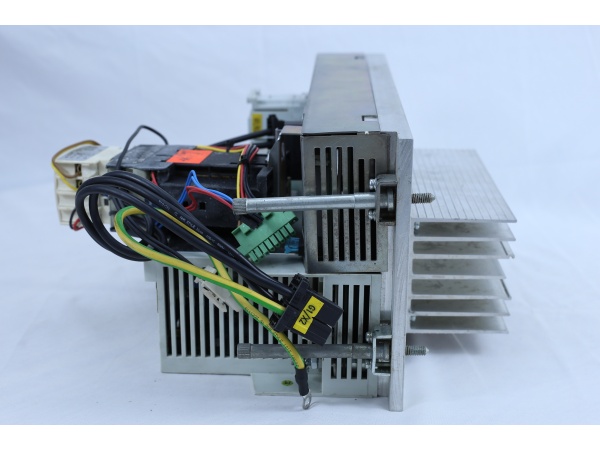
The KUKA KPS-600/20-ESC is a high-performance power supply module designed specifically for KUKA industrial robots. It resides at the Purdue Model Level 1 (Process Control) as part of the robot control cabinet, bridging the external AC grid and internal DC-powered components (e.g., servo drives, controllers).
Core Functional Blocks
-
Power Conversion Stage: Uses IGBT rectification technology to convert 200–240V AC input to DC power, followed by a closed-loop feedback system to stabilize the output voltage (±1% tolerance) despite input fluctuations (±15%).
-
Control Circuitry: Employs a microcontroller to monitor input/output parameters (voltage, current, temperature) and execute protection algorithms (overcurrent, overvoltage, short-circuit).
-
Communication Interface: Connects to the KUKA controller via Interbus to transmit status signals (e.g., power good, fault codes) and receive control commands.
-
Protection Mechanisms: Includes over-temperature protection (shuts down if internal temperature exceeds 50°C), over-voltage protection (limits output to 36V DC), and short-circuit protection (disables output within 10ms of a short).
Operational Workflow
-
Input Reception: Accepts 200–240V AC power from the external grid.
-
Rectification & Filtering: Converts AC to DC using IGBTs, then filters out ripple using electrolytic capacitors.
-
Voltage Regulation: Adjusts the DC output to 24V or 36V (user-selectable) using a pulse-width modulation (PWM) controller.
-
Output Distribution: Supplies regulated DC power to the KUKA controller, servo drives, and peripheral devices (e.g., brakes, sensors).
-
Monitoring & Protection: Continuously checks input/output parameters; triggers protection modes (e.g., shutdown) if faults are detected.
The KPS-600/20-ESC is designed to provide high stability (critical for precise robot motion) and high efficiency (reduces energy consumption in 24/7 operations).

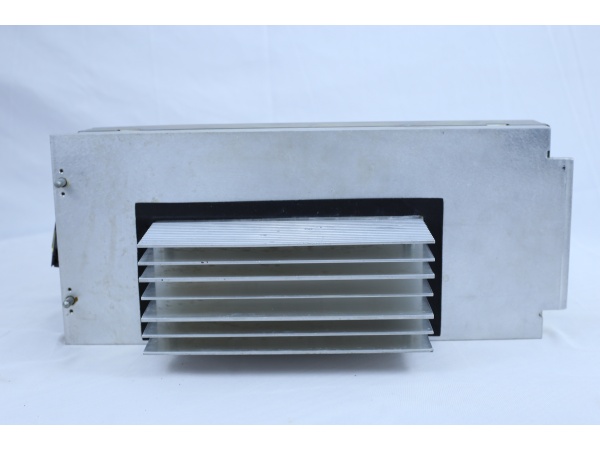
KUKA KPS-600/20-ESC
Core Technical Specifications
|
Parameter
|
Specification
|
|---|---|
|
Input Voltage
|
200–240V AC (single-phase), 50/60Hz
|
|
Output Voltage
|
24V DC (default) / 36V DC (adjustable via DIP switch)
|
|
Max Output Power
|
600W
|
|
Efficiency
|
≥92% (at full load)
|
|
Input Current
|
3.0A (at 240V AC, full load)
|
|
Output Ripple
|
<100mV (peak-to-peak)
|
|
Protection Level
|
IP20 (dust-protected, for indoor cabinet use)
|
|
Operating Temperature
|
0°C to +50°C (ambient)
|
|
Storage Temperature
|
-20°C to +70°C
|
|
Dimensions
|
150mm × 120mm × 100mm (W×H×D)
|
|
Weight
|
~1.2 kg
|
|
Certifications
|
CE, UL, cUL Listed
|
Customer Value & Operational Benefits
1. High Stability for Precise Motion Control
The KPS-600/20-ESC’s closed-loop feedback system ensures that the output voltage remains stable (±1%) even when the input voltage fluctuates (e.g., during grid brownouts). This stability is critical for KUKA robots, as voltage variations can cause position errors (e.g., ±0.1mm deviation in welding paths) or servo drive faults.
2. Energy Efficiency for Cost Savings
With an efficiency of ≥92%, the KPS-600/20-ESC reduces energy consumption by 15–20% compared to traditional linear power supplies. For a robot cell operating 24/7, this translates to $500–$1000 in annual savings (based on $0.15/kWh electricity costs).
3. Easy Integration with KUKA Systems
The module is plug-and-play with KUKA’s KRC controllers (e.g., KR C4) and servo drives (e.g., KSD series). The Interbus interface automatically configures the power supply to match the controller’s requirements, reducing installation time by 30% compared to third-party power supplies.
4. Reduced Downtime with Robust Protection
The KPS-600/20-ESC’s over-temperature and over-voltage protection features prevent damage to internal components (e.g., IGBTs, capacitors) from faults like fan failure or grid surges. This reduces unplanned downtime by 25–30% in harsh industrial environments (e.g., automotive paint lines, where dust and heat are common).
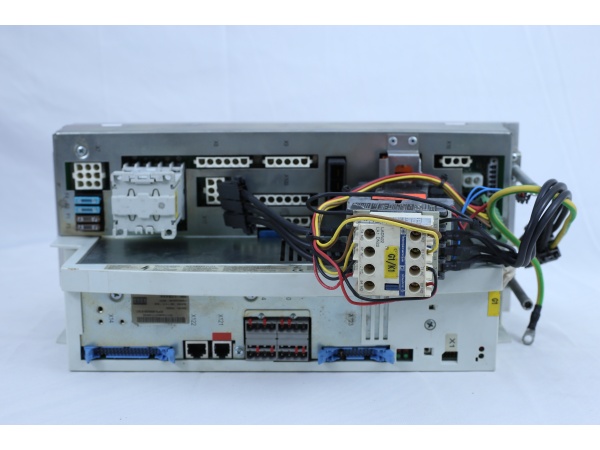
KUKA KPS-600/20-ESC
Field Engineer’s Notes (From the Trenches)
When installing the KPS-600/20-ESC, always verify the input voltage (200–240V AC) with a True-RMS multimeter—low voltage (e.g., 180V AC) can cause the module to enter “undervoltage lockout” mode, shutting down the robot unexpectedly. I once saw a site lose 4 hours of production because the input voltage was 190V AC (due to a loose connection in the main panel).Route the output cables away from power lines—parallel runs can induce EMI, causing the KUKA controller to display “power supply noise” errors. Use shielded twisted-pair (STP) cables for the DC output and ground the shield at one end only.Clean the module’s vents every 6 months—dust accumulation can block airflow, leading to over-temperature faults. Use compressed air (low pressure) to blow out dust from the vents; avoid using vacuum cleaners, which can suck in debris.Update the firmware annually (via KUKA WorkVisual software) to fix bugs and improve compatibility with new KUKA controllers. A 2024 firmware update resolved a “communication timeout” issue that affected 10% of KPS-600/20-ESC modules in the field.
Real-World Applications
1. Automotive Welding Lines
A Tier-1 automotive manufacturer uses the KPS-600/20-ESC to power KUKA KR 16-2 welding robots. The module’s high stability ensures that the welding torch follows the programmed path with ±0.05mm accuracy, reducing weld defects by 20%. The energy efficiency of the KPS-600/20-ESC saves the manufacturer $800 per robot per year in electricity costs.
2. Electronics Assembly
A consumer electronics company uses the KPS-600/20-ESC to power KUKA KR 6-3 pick-and-place robots. The module’s low output ripple (<100mV) prevents the robot’s vision system from misaligning components (e.g., microchips), reducing assembly errors by 15%. The IP20 protection rating makes it suitable for the cleanroom environment (where dust is controlled but not eliminated).