Description
System Architecture & Operational Principle
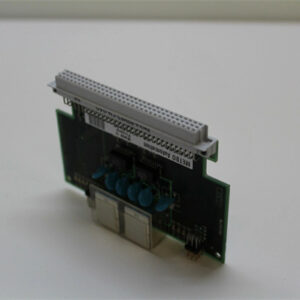
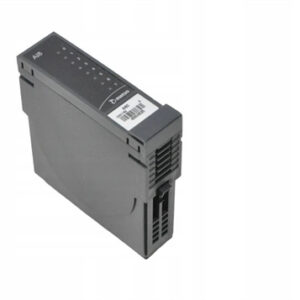
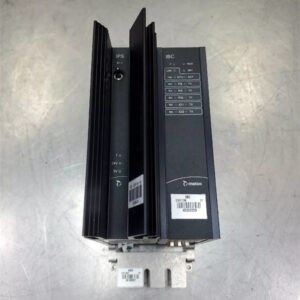
The METSO IOP313 is an I/O processor module designed for the METSO DNA DCS, typically installed in an I/O rack (Purdue Level 1). It acts as the interface between field devices (sensors, actuators) and the DCS backplane, converting field signals (e.g., 4–20 mA, digital inputs) into digital data for the DCS and vice versa.
Upstream, the module receives commands from the DCS controller (e.g., METSO DNA Process Station) via the backplane. Downstream, it outputs control signals to field devices (e.g., solenoid valves, motor starters) and collects feedback from sensors (e.g., pressure transmitters, temperature sensors).
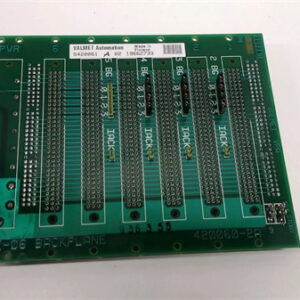
The module uses backplane-based communication (METSO DNA I/O bus) for high-speed data transfer, minimizing wiring complexity. A key advantage is its deterministic scanning, which ensures stable update times for critical control loops—reducing jitter-related alarms in fast processes. The on-module diagnostics (status indicators, fault reporting) help maintenance isolate channel issues without extended downtime.

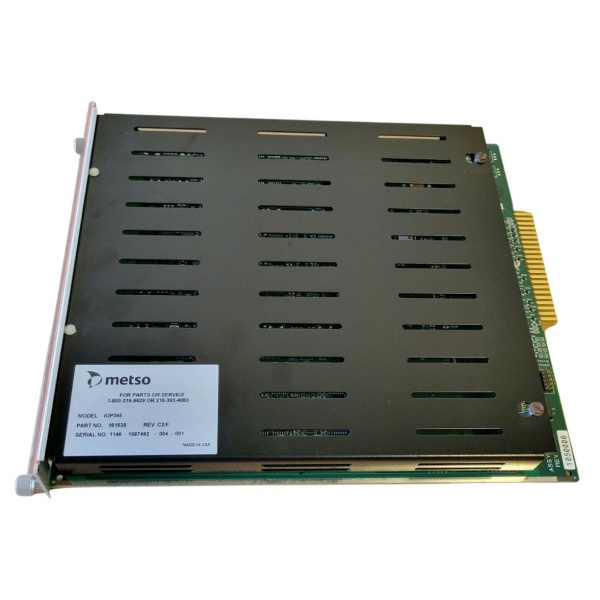
METSO IOP365
Core Technical Specifications
-
Physical Interface: Rack/backplane mounted in METSO DNA I/O base; field wiring via compatible FTUs/terminal units.
-
Signal Type: Supports DI/DO/AI/AO field signals (depends on FTU configuration).
-
Channel Density: Varies by FTU (e.g., 8 DI + 8 DO per FTU).
-
Communication Bus: METSO DNA I/O bus over backplane.
-
Power Requirements: 24 VDC nominal from rack/backplane; <5 W typical consumption.
-
Operating Temperature: -20°C to +55°C (typical control cabinet environment).
-
Dimensions: Compact card module (~25–35 mm width, ~0.3 kg weight).
-
Isolation: 1500 Vrms (channel-to-logic, varies by FTU).
Customer Value & Operational Benefits
Minimized Downtime with Hot-Swap Design
The IOP313 is designed for hot-swappable replacement—technicians can replace a faulty module without shutting down the I/O rack. This eliminates costly unplanned shutdowns in continuous process industries (e.g., pulp and paper, power generation), where even a short outage can result in significant revenue loss.
Reliable Operation in Harsh Environments
The module’s -20°C to +55°C operating temperature range and industrial-grade design make it suitable for control cabinets in process areas (e.g., chemical plants, refineries). The backplane-based communication reduces loose interconnects, improving reliability in high-vibration environments.
Simplified Maintenance with On-Module Diagnostics
The IOP313 features status indicators (e.g., power, communication) and fault reporting (via the DCS). Maintenance teams can quickly identify faulty channels or communication issues without using external test equipment—reducing mean time to repair (MTTR).
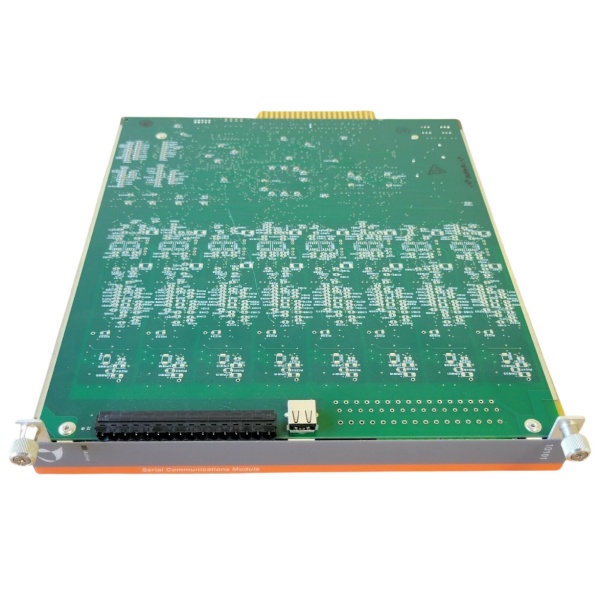
METSO IOP365
Field Engineer’s Notes (From the Trenches)
When installing the IOP313, always verify the FTU compatibility—the module’s signal type (DI/DO/AI/AO) depends on the FTU used. I once saw a technician install an IOP313 with a digital FTU for an analog sensor, resulting in incorrect readings. Check the FTU’s datasheet to ensure it matches the field device’s signal type.Use shielded twisted-pair (STP) cable for field wiring—unshielded cable can pick up EMI from nearby equipment (e.g., VFDs), leading to noisy signals. Terminate the shield at the FTU end only (do not ground both ends) to avoid ground loops.Check the backplane power voltage—the IOP313 requires 24 VDC nominal. If the voltage drops below 22 VDC, the module may reset intermittently. Use a multimeter to measure the backplane power terminals if you see unexpected faults.
Real-World Applications
Pulp Mill Digester Control
In a kraft pulp mill, the IOP313 is used to interface with digester sensors (e.g., temperature, pressure) and actuators (e.g., steam valves, chip feeders). The module’s deterministic scanning ensures stable update times for the digester’s temperature control loop—critical for maintaining pulp quality. The hot-swap design allows maintenance during cook cycles without stopping production.
Chemical Plant Pump Control
In a chemical processing plant, the IOP313 controls pump motors (via contactors) and monitors flow sensors (4–20 mA). The module’s on-module diagnostics help maintenance quickly identify a faulty pump contactor—reducing downtime during batch processes. The backplane-based communication minimizes wiring, simplifying the plant’s control cabinet layout.