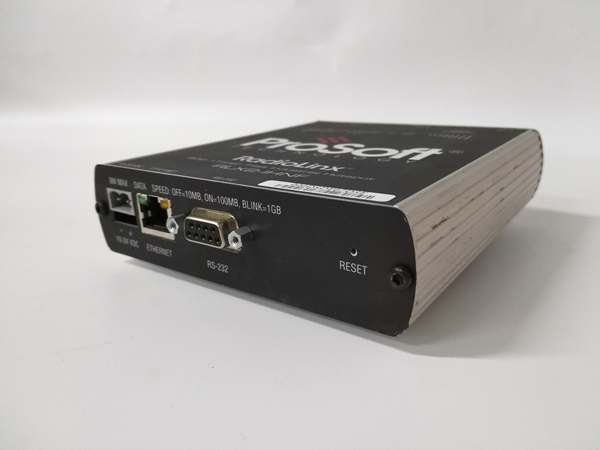
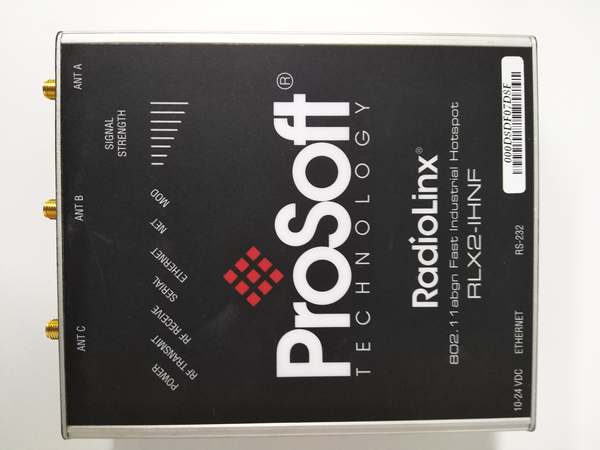
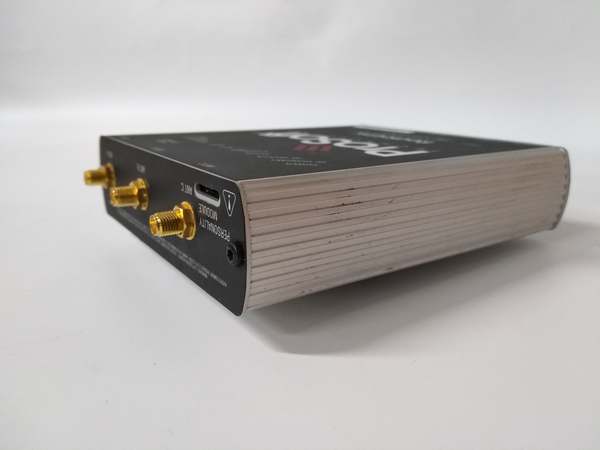
Description
System Architecture & Operational Principle
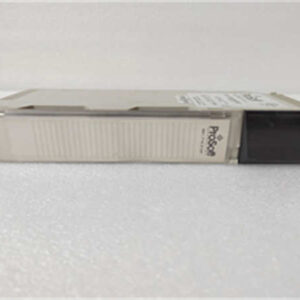
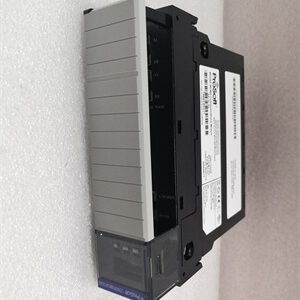
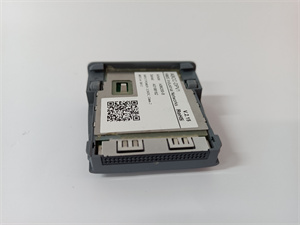
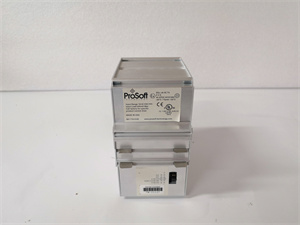
The ProSoft RLX2-IHNF-A is an industrial-grade wireless access point (AP) designed for Purdue Model Level 1 (Process Control) in industrial automation. It serves as the critical wireless link between field devices (e.g., Allen-Bradley ControlLogix PLCs, Siemens S7-1500 PLCs, remote I/O racks) and enterprise networks (e.g., SCADA servers, MES systems).
Core Functional Blocks
-
Wireless Radio Module: Supports 802.11a/b/g/n standards with MIMO (Multiple-Input Multiple-Output) technology for improved signal strength and coverage. Dual-band operation (2.4 GHz for long range, 5 GHz for high speed) allows flexible deployment in congested RF environments.
-
Processor & Protocol Stack: A dedicated processor handles protocol conversion (e.g., EtherNet/IP, Modbus TCP, PROFINET) and data forwarding. Supports NAT (Network Address Translation) for跨网段 communication without changing device IP addresses.
-
Power Management: Accepts 12–48 VDC input (nominal 24 VDC) with reverse polarity protection. Supports Power over Ethernet (PoE) for simplified cabling.
-
Enclosure & Protection: IP67-rated stainless steel enclosure resists dust, water, and corrosion. Rated for -40°C to +75°C operating temperature, making it suitable for outdoor or washdown environments.
-
Management Interface: Web-based GUI (via Ethernet port) for configuration, monitoring, and diagnostics. Supports SNMP v1/v2c for remote management.
Operational Workflow
-
Device Connection: Field devices (e.g., PLCs, sensors) connect to the RLX2-IHNF-A via Ethernet cables. Mobile assets (e.g., AGVs) connect wirelessly using 802.11a/b/g/n.
-
Wireless Communication: The AP transmits data between field devices and the enterprise network using dual-band RF signals. MIMO technology minimizes multipath interference in industrial environments.
-
Protocol Conversion: The AP converts between field device protocols (e.g., Modbus TCP) and enterprise protocols (e.g., EtherNet/IP) to ensure seamless data exchange.
-
Network Management: Administrators use the web GUI to monitor signal strength, device status, and network traffic. Alerts are sent for faults (e.g., low signal, power loss).

PROSOFT RLX2-IHNF-A
Core Technical Specifications
|
Parameter
|
Specification
|
|---|---|
|
Wireless Standard
|
802.11a/b/g/n (MIMO)
|
|
Frequency Bands
|
2.4 GHz (2400–2483.5 MHz), 5 GHz (5150–5850 MHz, region-dependent)
|
|
Max Data Rate
|
300 Mbps (theoretical)
|
|
Ethernet Ports
|
1 x 10/100 Mbps RJ45 (auto-MDIX)
|
|
Power Input
|
12–48 VDC (nominal 24 VDC); PoE supported
|
|
Operating Temperature
|
-40°C to +75°C (-40°F to +167°F)
|
|
Enclosure Rating
|
IP67 (NEMA 6P)
|
|
Certifications
|
Class I Div 2 (Groups A, B, C, D), ATEX Zone 2, CE, FCC, IEC 61850-3
|
|
Dimensions
|
140 mm x 85 mm x 35 mm (approx.)
|
|
Weight
|
~0.5 kg (1.1 lbs)
|
Customer Value & Operational Benefits
Rugged Reliability for Harsh Environments
The RLX2-IHNF-A’s IP67 enclosure and wide operating temperature range make it ideal for factory floors (washdown areas, high dust) and outdoor installations (oil rigs, wind farms). A steel mill reported a 99.9% uptime for the AP over 3 years, compared to 95% for previous consumer-grade APs.
Secure Communication for Industrial Networks
Supports WPA2-PSK/AES and WPA3-SAE encryption for secure data transmission. RADIUS authentication adds an extra layer of security for enterprise networks. A chemical plant uses the AP to connect remote sensors to the SCADA system, preventing unauthorized access to critical process data.
Flexible Deployment with Dual-Band Operation
The 2.4 GHz band provides long-range coverage (up to 300 meters outdoors), while the 5 GHz band offers high-speed data transfer (for video streaming or large file transfers). A automotive manufacturer uses the 5 GHz band to connect high-resolution cameras for quality control, while the 2.4 GHz band connects PLCs on the factory floor.
Cost-Effective Maintenance with Remote Management
The web-based GUI allows administrators to monitor and configure the AP remotely, reducing maintenance time. A power plant reduced maintenance costs by 30% using the AP’s remote diagnostics, avoiding $10k/month in on-site visits.
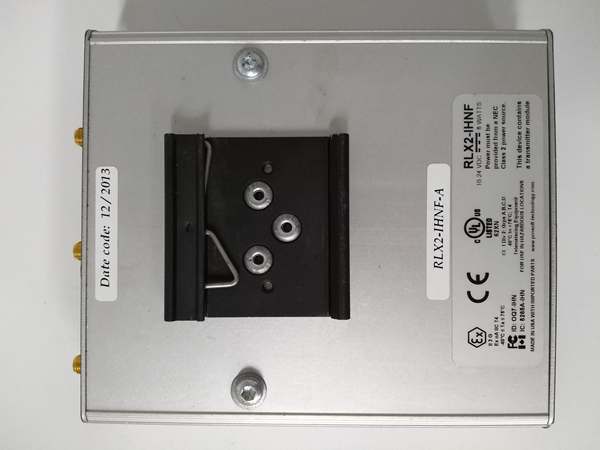
PROSOFT RLX2-IHNF-A
Field Engineer’s Notes (From the Trenches)
When installing the RLX2-IHNF-A, always use shielded Ethernet cables (e.g., Belden 9841) for field device connections—unshielded cables can pick up EMI from nearby motors, leading to dropped connections. I once saw a site lose 8 hours of production because of EMI-induced wireless drops, which were fixed by replacing unshielded cables with STP.Check the antenna placement—mount the AP in a central location with a clear line of sight to field devices. A site had poor signal strength because the AP was mounted behind a metal cabinet; moving it to the top of a pole improved signal strength by 20 dBm.Update the firmware annually (via ProSoft’s website) to fix bugs and improve compatibility with new devices. A 2024 firmware update resolved a “roaming delay” issue that affected AGVs, reducing roaming time from 500 ms to 10 ms.Use PoE for simplified cabling—PoE eliminates the need for separate power cables, reducing installation time. A food processing plant saved $5k in cabling costs by using PoE for the AP.
Real-World Applications
1. Automotive Manufacturing Plant
A leading automotive manufacturer uses the RLX2-IHNF-A to connect 50 PLCs, 20 HMIs, and 10 AGVs to the plant’s SCADA system. The AP’s dual-band operation allows the AGVs to use the 5 GHz band for high-speed communication (e.g., real-time positioning) while the PLCs use the 2.4 GHz band for long-range coverage. The IP67 enclosure resists dust and coolant splashes, ensuring reliable operation in the factory floor.
2. Oil & Gas Refinery
A refinery uses the RLX2-IHNF-A to connect remote sensors (e.g., temperature, pressure) to the central control room. The AP’s Class I Div 2 certification makes it suitable for hazardous environments. The NAT feature allows the refinery to use existing IP addresses for sensors, avoiding the need to reconfigure the entire network.
3. Water Treatment Plant
A municipal water treatment plant uses the RLX2-IHNF-A to connect remote pump stations to the SCADA system. The AP’s -40°C to +75°C operating temperature range ensures reliable operation in outdoor enclosures. The web-based GUI allows operators to monitor pump status and adjust settings remotely, reducing maintenance time.