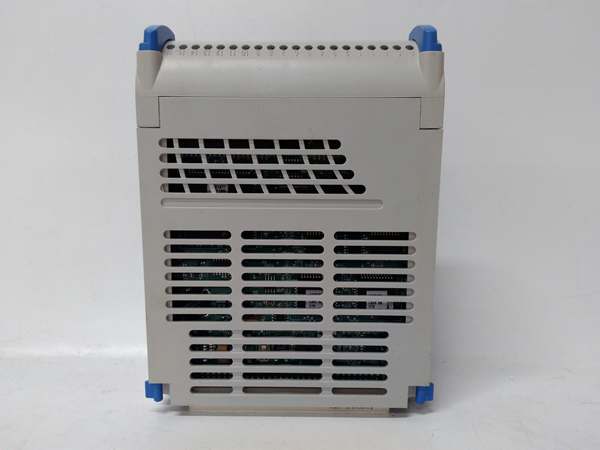
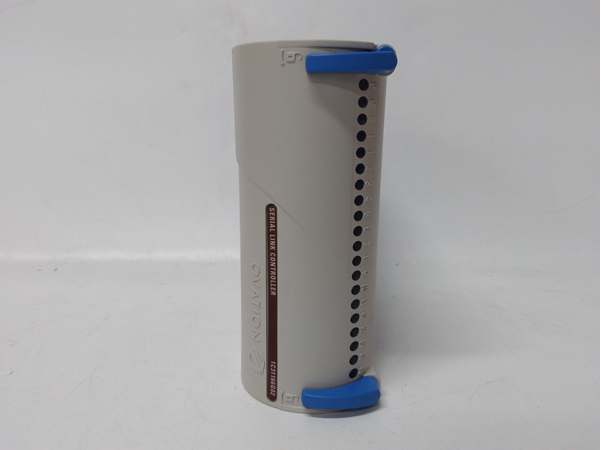
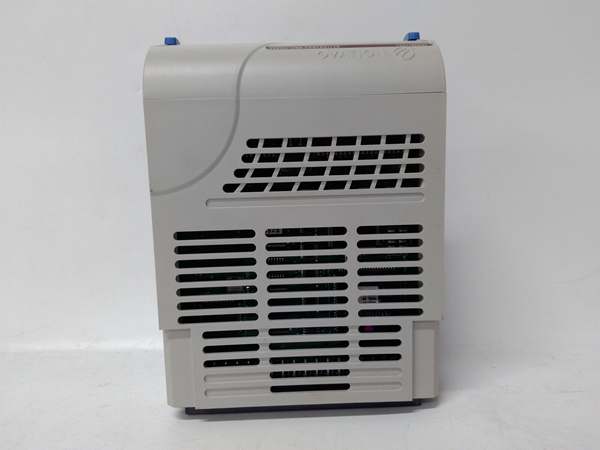
Description
Key Technical Specifications
-
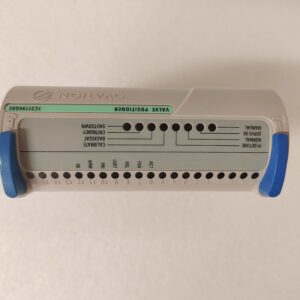
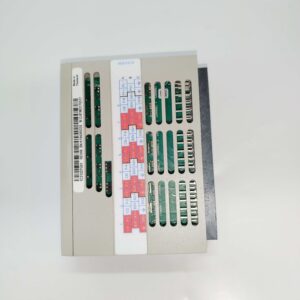
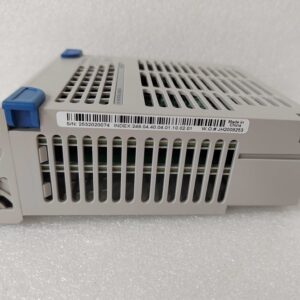
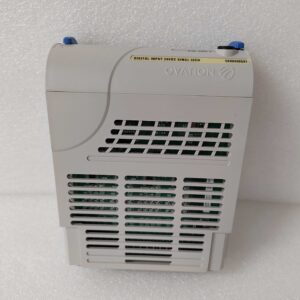
Model Number: 1C31166G02
-
Manufacturer: Emerson (formerly Westinghouse)
-
Compatible System: Emerson Ovation Distributed Control System (DCS)
-
Port Configuration: 1×RS-232 (up to 115 kbps), 1×RS-485 (up to 12 Mbps, PROFIBUS DP compliant)
-
Supported Protocols: Modbus RTU/ASCII, DNP3.0, PROFIBUS DP
-
Backplane Communication: Ovation I/A Series backplane bus (compatible with system redundant architecture)
-
Operating Temperature: 0°C to +60°C (32°F to 140°F)
-
Storage Temperature: -40°C to +70°C (-40°F to 158°F)
-
Power Supply: Powered by Ovation system chassis (24V DC ±10% tolerance)
-
Protection Rating: IP20 (module-level, suitable for cabinet installation)
-
Dimensions: Standard Ovation module form factor (~144 mm × 60 mm × 30 mm)
-
Weight: ~0.3 kg (0.66 lbs)

WESTINGHOUSE 5X00167G01
Field Application & Problem Solved
In industrial automation—from power plants to water treatment facilities—legacy serial devices (e.g., PLCs, RTUs, intelligent instruments) often rely on outdated communication protocols that are incompatible with modern Distributed Control Systems (DCS). The biggest challenge is integrating these devices into a unified control architecture without replacing expensive hardware. Custom protocol converters are often costly, unreliable, and difficult to maintain.
The 1C31166G02 solves this by acting as a universal serial communication bridge for Emerson’s Ovation DCS. It supports multiple industrial protocols (Modbus, DNP3, PROFIBUS DP) and provides dual RS-232/RS-485 ports, allowing seamless integration of legacy serial devices with Ovation controllers. You’ll find it in:
-
Power generation: Connecting legacy PLCs in coal handling systems to Ovation DCS for centralized monitoring.
-
Water treatment: Integrating RTUs in remote pump stations with Ovation for remote control and data acquisition.
-
Oil & petrochemical: Bridging serial instruments (e.g., flow meters, temperature transmitters) with Ovation for process control.
Its core value is cost-effective legacy integration. By eliminating the need for custom protocol converters, the 1C31166G02 reduces system complexity and cost. It also supports hot-swapping, allowing maintenance without shutting down the system—critical for 24/7 operations like power plants.
Installation & Maintenance Pitfalls (Expert Tips)
1. Incorrect Port Configuration
A common rookie mistake is misconfiguring the RS-232/RS-485 ports. Always verify the port type (RS-232 vs. RS-485) and baud rate in the Ovation software before connecting devices. For example, connecting an RS-485 device to an RS-232 port will result in no communication—we once had a client waste hours troubleshooting this error.
2. Ignoring Protocol Compatibility
The 1C31166G02 supports multiple protocols, but you must enable the correct protocol for each device. For instance, if a device uses Modbus RTU, ensure the module is configured for Modbus RTU—using ASCII instead will cause data corruption. We fixed a recurring data error in a water treatment plant by switching from ASCII to RTU.
3. Poor Cable Management
Serial cables are susceptible to electromagnetic interference (EMI) from nearby power cables. Always use shielded twisted-pair cables for RS-485 connections and ground the shield at one end (preferably the module end). Un-shielded cables can pick up noise, leading to intermittent communication—we resolved a recurring valve malfunction in a refinery by replacing un-shielded cables.
4. Skipping Diagnostic Checks
The 1C31166G02 has built-in diagnostic functions (e.g., port status, error rate monitoring). Always check the Ovation HMI for diagnostic alerts—ignoring these can lead to undetected communication failures. We once identified a failing serial cable using the module’s diagnostics, preventing a potential process upset in a chemical plant.
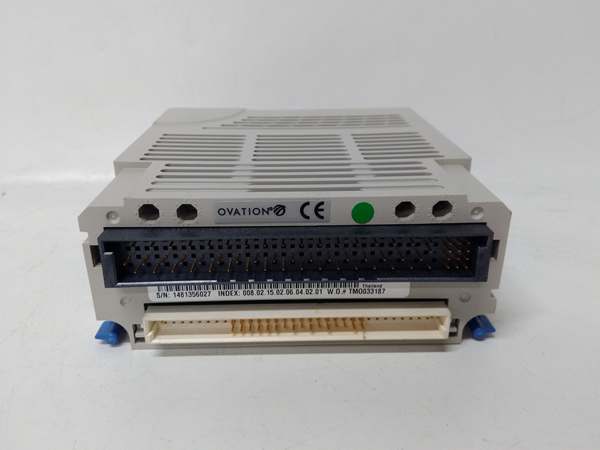
WESTINGHOUSE 5X00167G01
Technical Deep Dive & Overview
The 1C31166G02 is a serial link controller module designed exclusively for Emerson’s Ovation DCS. It acts as a bridge between Ovation controllers and legacy serial devices, enabling seamless communication and integration. Here’s how it works:
-
Signal Reception: The module receives serial data from field devices (e.g., PLCs, RTUs) via RS-232 or RS-485 ports.
-
Protocol Conversion: The module converts the incoming serial data (e.g., Modbus RTU) into a format compatible with Ovation DCS.
-
Data Routing: The converted data is sent to the Ovation controller via the backplane bus for processing.
-
Command Execution: The Ovation controller sends commands (e.g., “open valve”) to the module, which converts them into the appropriate serial protocol and transmits them to the field device.
-
Diagnostic Feedback: The module sends diagnostic data (e.g., port status, error rates) to the Ovation HMI, enabling real-time monitoring and troubleshooting.
What sets the 1C31166G02 apart is its multi-protocol support and seamless Ovation integration. It eliminates the need for custom protocol converters, reducing system cost and complexity. The module also supports hot-swapping, allowing maintenance without system shutdown—critical for 24/7 operations.
Final Notes
The 1C31166G02 is a critical component for integrating legacy serial devices into modern Ovation DCS architectures. Its multi-protocol support, dual ports, and seamless integration make it ideal for power generation, water treatment, and oil & petrochemical applications. By following the installation tips above, you can avoid common pitfalls and ensure reliable communication between Ovation controllers and legacy devices.