Description
Product Overview
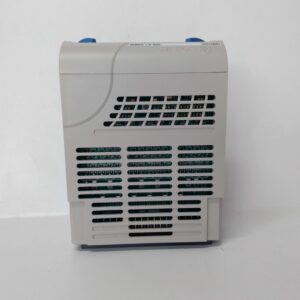
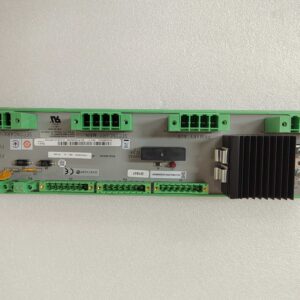
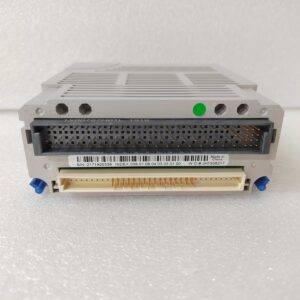
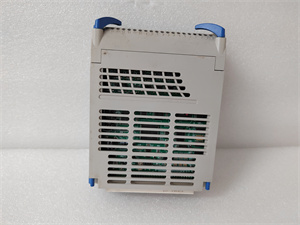
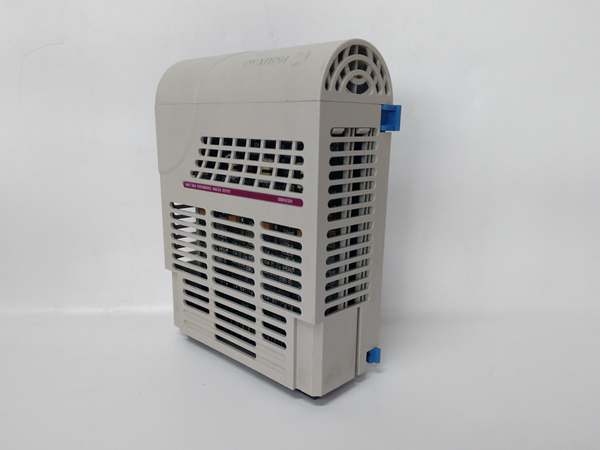
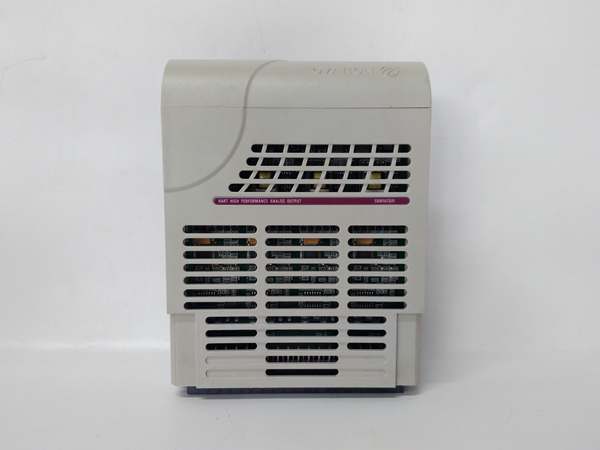
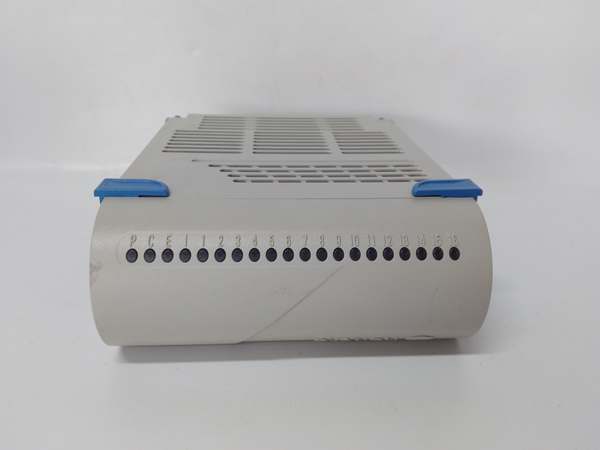
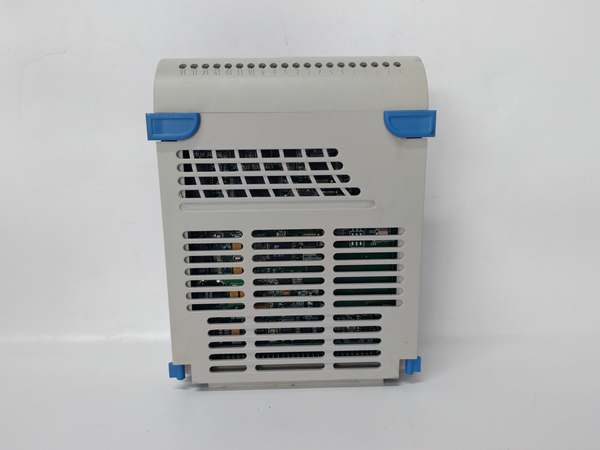
The Emerson Ovation 1C31192G01 is a speed detector module designed exclusively for Emerson’s Ovation Distributed Control System (DCS). It serves as a critical interface between the Ovation controller and speed sensors (e.g., magnetic pickups, optical encoders) installed on rotating equipment (turbines, compressors, motors). The module enables real-time speed monitoring, which is essential for process optimization, fault detection, and equipment protection in industrial automation.
As part of the Ovation ecosystem, the 1C31192G01 is widely used in industries where precise speed control is mandatory, such as oil & gas, power generation, water treatment, and heavy industry. Its rugged design and high accuracy make it suitable for harsh industrial environments.

5X00167G01
Key Technical Specifications
The 1C31192G01’s technical specifications are tailored for high-precision speed measurement in industrial applications:
-
Measurement Accuracy: ±0.1% (critical for maintaining process stability)
-
Input Frequency Range: 0.1 Hz to 50 kHz (covers most industrial rotating equipment)
-
Input Signal Types: Magnetic pick-up, optical pick-up (compatible with major speed sensor technologies)
-
Output Signal: 4-20 mA, 0-10 V, frequency output (configurable per application)
-
Number of Channels: 8 (supports multiple sensors per module)
-
Power Supply: 24 VDC (nominal, compatible with Ovation system power requirements)
-
Operating Temperature: –20°C to +70°C (IEC 60068-2 compliant, suitable for extreme environments)
-
Storage Temperature: –40°C to +85°C (withstanding extreme storage conditions)
-
Humidity Range: 0–95% RH (non-condensing, resistant to moisture)
-
Dimensions: ~100 mm × 100 mm × 45 mm (compact for cabinet installation)
-
Weight: ~0.17 kg (0.38 lbs, lightweight for easy handling)
-
Certifications: CE, RoHS (compliant with international safety and environmental standards)
Field Application & Problem Solved
In industrial automation, rotational speed monitoring is critical for:
-
Process Optimization: Maintaining optimal speed for turbines/compressors to maximize efficiency.
-
Fault Detection: Identifying overspeed/underspeed conditions to prevent equipment damage.
-
Safety: Ensuring compliance with safety regulations (e.g., turbine overspeed protection).
The biggest challenge with legacy speed detection systems is inaccurate measurements (due to sensor noise or poor signal conditioning) and limited compatibility (with only one sensor type). The 1C31192G01 solves this by:
-
Supporting Multiple Sensor Types: It accepts magnetic and optical pickup signals, eliminating the need for multiple modules.
-
Providing High Accuracy: The ±0.1% accuracy ensures reliable speed data, even in high-noise environments.
-
Integrating with Ovation DCS: Seamless communication with the Ovation controller enables real-time adjustments and fault logging.
Typical Applications:
-
Power Generation: Monitoring turbine speed in power plants (e.g., steam turbines, gas turbines).
-
Oil & Gas: Controlling compressor speed in upstream/downstream operations (e.g., natural gas compressors).
-
Water Treatment: Regulating pump speed for consistent water flow.
-
Heavy Industry: Monitoring conveyor and large machinery speed in steel/paper mills.
5X00167G01
Installation & Maintenance Pitfalls (Expert Tips)
1. Incorrect Sensor Wiring
A common mistake is mismatching the sensor’s output type (e.g., magnetic vs. optical) with the module’s input configuration. Always verify the sensor’s datasheet and configure the 1C31192G01 accordingly. We once had a client burn out a sensor by connecting a magnetic pickup to an optical input.
2. Ignoring Signal Filtering
Speed sensors can pick up electromagnetic interference (EMI) from nearby motors or power lines. Use the module’s software-configurable filtering to reduce noise—this improves measurement accuracy. We fixed a recurring speed fluctuation in a refinery by enabling the module’s low-pass filter.
3. Poor Grounding
Grounding is critical for noise immunity. Always ground the module’s chassis to the cabinet’s earth ground using a dedicated ground wire. Poor grounding can lead to intermittent speed readings—we resolved a valve malfunction in a paper mill by adding a ground wire.
4. Skipping Calibration
Even though the 1C31192G01 has high accuracy, calibrate it annually using a precision tachometer. Check the module’s readings against the tachometer—if the deviation exceeds ±0.1%, recalibrate using Emerson’s calibration tool. We once found a module with a 0.2% error that was causing a 5% variation in product quality.
Technical Deep Dive & Overview
The 1C31192G01 operates as part of the Ovation DCS architecture, which consists of:
-
Ovation Controller: Located in the central control room, it processes speed data and sends commands to field devices.
-
Speed Detector Module (1C31192G01): Installed near rotating equipment, it receives signals from speed sensors.
-
Speed Sensors: Attached to rotating machinery (e.g., turbine shafts), they generate magnetic/optical signals proportional to speed.
How It Works:
-
The speed sensor generates a signal (e.g., pulse train) proportional to the rotating equipment’s speed.
-
The 1C31192G01 receives the signal and applies filtering/averaging to remove noise.
-
The module converts the signal to a digital value (RPM) and sends it to the Ovation controller via the backplane.
-
The Ovation controller uses the speed data for process control (e.g., adjusting turbine speed) or fault detection (e.g., triggering an alarm if speed exceeds limits).
Key Advantages:
-
Compatibility: Works with all Ovation DCS controllers and speed sensors.
-
Ruggedness: Designed to withstand vibration, temperature extremes, and EMI.
-
Ease of Use: Software-configurable settings (filtering, averaging) reduce commissioning time.
Final Notes
The Emerson Ovation 1C31192G01 is a reliable and essential component of the Ovation DCS, enabling high-precision speed monitoring for industrial automation. Its compatibility with multiple sensor types, high accuracy, and rugged design make it ideal for mission-critical applications where speed control is non-negotiable. Whether you’re upgrading a legacy system or building a new one, this module will provide the accurate speed data you need—just remember to follow the installation tips to avoid common pitfalls.