Description
Product Overview
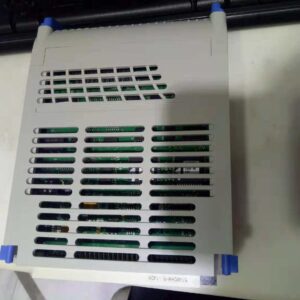
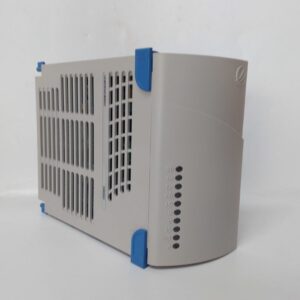
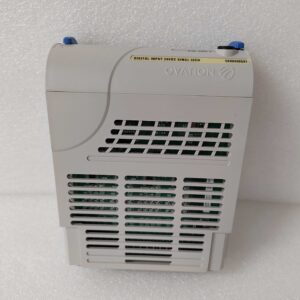
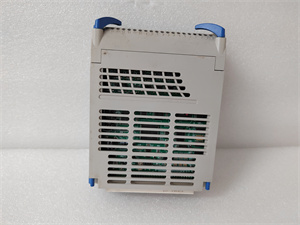
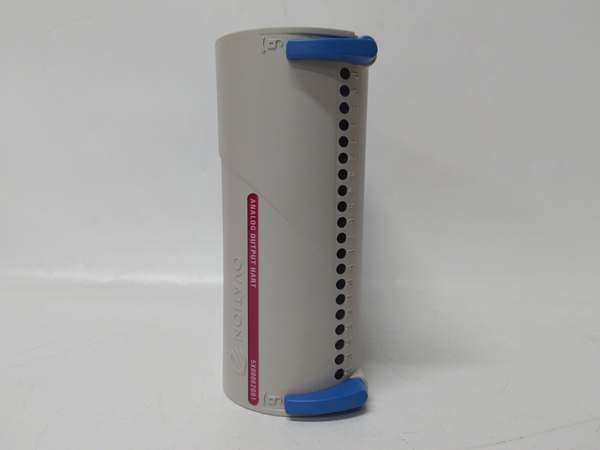
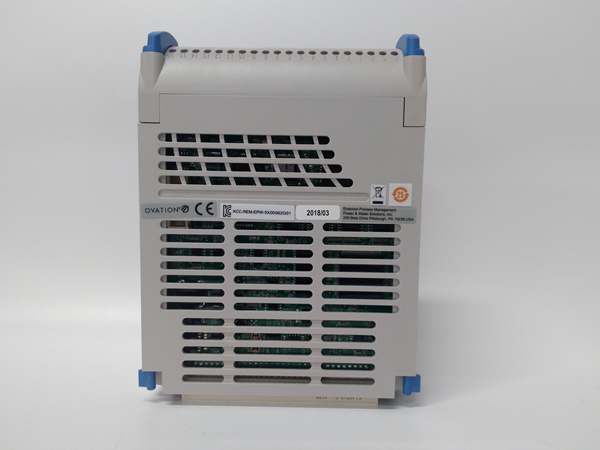
The Emerson 1C31205G01 is a Remote Node Controller Base designed exclusively for Emerson’s Ovation Distributed Control System (DCS). It serves as a critical mechanical and electrical support structure for remote I/O nodes, enabling seamless communication between the central DCS controller and field devices (e.g., sensors, actuators) in industrial automation. As part of the Ovation ecosystem, the 1C31205G01 is widely used in industries where remote monitoring and control are essential, such as power generation, chemical processing, and water treatment.
The 1C31205G01’s primary role is to house and power remote node modules (e.g., 1C31203G01, 1C31204G01) while providing connectivity to I/O branches. It acts as a bridge between the central controller and remote field devices, ensuring reliable data transmission and control in harsh industrial environments.

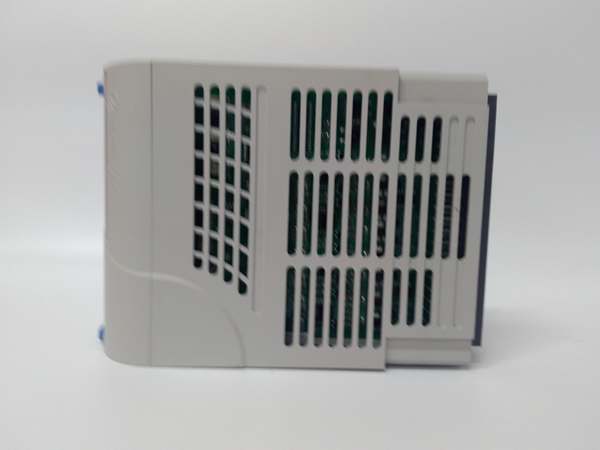
WESTINGHOUSE 5X00062G01
Key Technical Specifications
The 1C31205G01’s technical specifications are tailored for robustness and compatibility with Ovation DCS:
-
Module Capacity: Supports up to 2 remote node modules (e.g., remote I/O controllers, communication modules).
-
I/O Branch Connectivity:
-
2 native I/O branches (directly connected to the base).
-
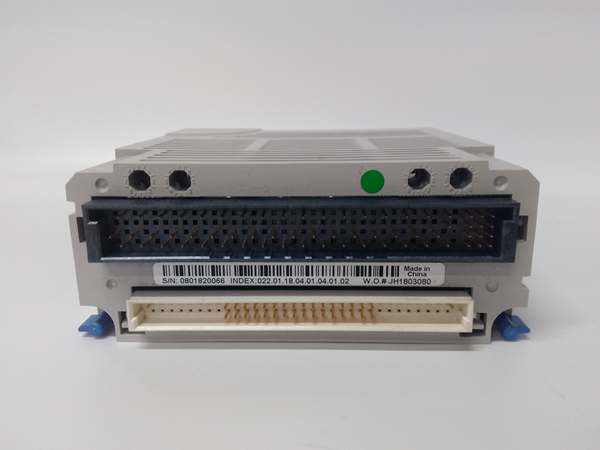
1 D-connector for expanding to 6 additional I/O branches via a local I/O communications cable.
-
-
Node Addressing: Equipped with a rotary switch (0–15) for easy node identification and configuration.
-
Power Supply: Powered by 24 VDC (±10% tolerance) from the Ovation system backplane.
-
Operating Temperature: –20°C to +60°C (IEC 60068-2 compliant, suitable for most industrial environments).
-
Storage Temperature: –40°C to +85°C (withstanding extreme storage conditions).
-
Humidity Range: 5–95% RH (non-condensing, resistant to moisture).
-
Dimensions: ~150 mm × 300 mm × 100 mm (H × W × D) (compact for cabinet installation).
-
Weight: ~0.59 kg (1.3 lbs) (lightweight for easy handling during maintenance).
-
Protection Rating: IP20 (module-level, suitable for indoor cabinet use).
Field Application & Problem Solved
The 1C31205G01 is primarily used in distributed control systems (DCS) where field devices are located far from the central controller. Traditional centralized I/O systems require extensive cabling, which is costly and prone to noise interference. The 1C31205G01 solves this by:
-
Enabling Remote I/O Connectivity: It allows field devices to be connected to remote I/O modules, reducing the need for long copper cables (which are prone to noise and signal loss).
-
Improving Noise Immunity: The base’s design minimizes electromagnetic interference (EMI) from nearby power lines or motors, ensuring reliable data transmission.
-
Simplifying System Expansion: Adding new remote I/O nodes is straightforward—simply install the 1C31205G01 base and connect the remote node modules.
Typical Applications:
-
Power Generation: Connecting remote sensors (e.g., turbine temperature, boiler pressure) to the Ovation DCS for real-time monitoring.
-
Chemical Processing: Extending I/O to remote tank farms or loading racks, where centralized I/O is impractical.
-
Water Treatment: Linking remote sensors (e.g., pH meters, flow meters) to the DCS for accurate water quality control.
Installation & Maintenance Pitfalls (Expert Tips)
To ensure optimal performance and reliability, follow these best practices for installing and maintaining the 1C31205G01:
-
Verify Node Addressing:
-
Always set the rotary switch to a unique node address (0–15) to avoid conflicts with other remote nodes. We once had a client experience communication errors due to duplicate node addresses.
-
-
Proper Cable Management:
-
Use shielded twisted-pair cables for I/O branch connections to reduce EMI. Avoid running cables alongside power lines—this is a classic cause of “ghost” trips (false signals).
-
-
Check Power Supply:
-
Ensure the 24 VDC power supply from the Ovation backplane is stable (±10% tolerance). Overloading the power supply can cause the base to malfunction—always verify the power supply’s capacity before connecting multiple modules.
-
-
Inspect for Physical Damage:
-
Before installation, inspect the base for cracks or bent pins. Physical damage can compromise the base’s ability to house remote node modules—we fixed a recurring module failure by replacing a damaged base.
-
Technical Deep Dive & Overview
The 1C31205G01 operates as part of the Ovation Remote I/O (RIO) system, which consists of:
-
Ovation Controllers: Located in the central control room, these controllers send commands to remote nodes.
-
Remote Node Bases (1C31205G01): Installed at remote sites, these bases house remote node modules.
-
Remote Node Modules: Connected to the base, these modules (e.g., 1C31203G01) receive commands from the controllers and forward them to field devices.
-
Field Devices: Sensors (e.g., temperature, pressure) and actuators (e.g., valves, pumps) connected to the remote node modules.
How It Works:
-
The Ovation controller sends a command (e.g., “read temperature from sensor 1”) to the 1C31205G01 base via the Ovation network.
-
The base forwards the command to the remote node module (e.g., 1C31203G01) installed on it.
-
The remote node module processes the command and sends it to the field device (e.g., temperature sensor) via an I/O branch.
-
The field device sends a response (e.g., temperature reading) back to the remote node module, which forwards it to the base.
-
The base sends the response to the Ovation controller via the Ovation network, where it is used for process control.
Key Advantages:
-
Compatibility: Works with all Ovation DCS controllers and remote node modules.
-
Ruggedness: Designed to withstand vibration, temperature extremes, and EMI.
-
Ease of Use: The rotary switch for node addressing and D-connector for I/O expansion simplify installation and maintenance.
Final Notes
The Emerson 1C31205G01 is a reliable and essential component of the Ovation DCS, enabling remote I/O connectivity for industrial automation. Its ability to house multiple remote node modules, provide expandable I/O branches, and withstand harsh industrial environments makes it ideal for mission-critical applications where reliability is non-negotiable. Whether you’re upgrading a legacy system or building a new one, the 1C31205G01 will provide the stable remote I/O base you need—just remember to follow the installation tips to avoid common pitfalls.