Description
1887-031: Product Overview
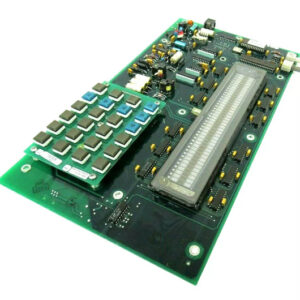
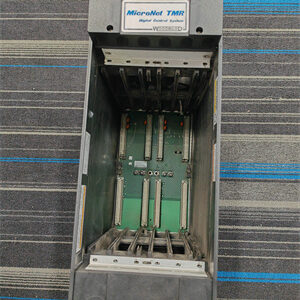
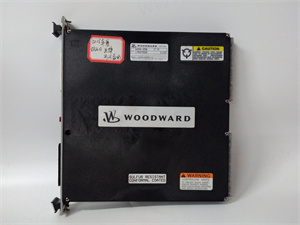
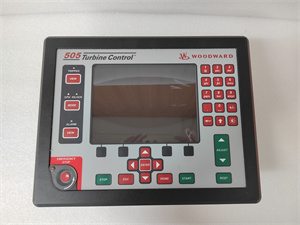
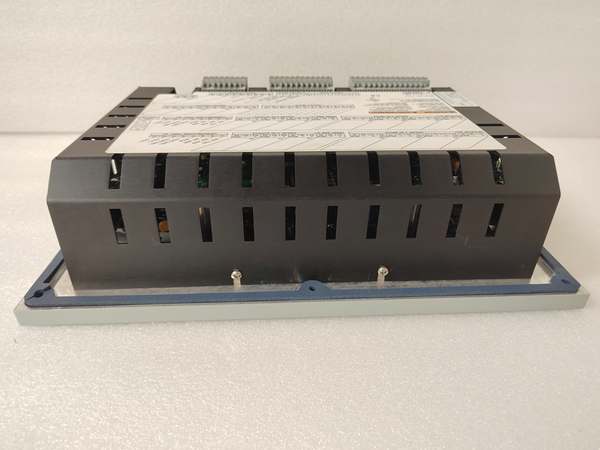
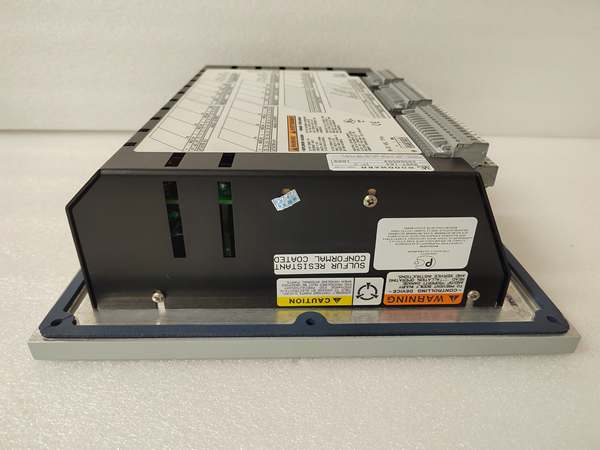
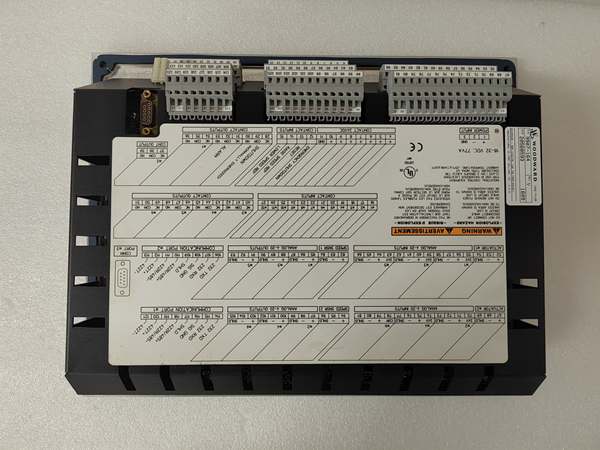
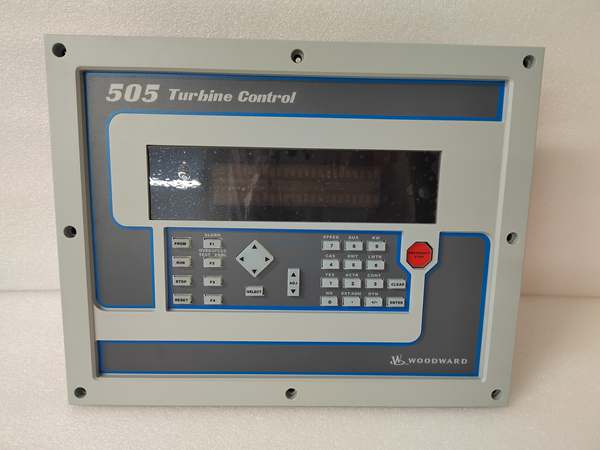
The Woodward 1887-031 is an industrial-grade analog I/O module designed to facilitate signal acquisition and output in process automation and safety control systems. As a critical component of Woodward’s industrial automation portfolio, it enables seamless integration of analog devices (e.g., sensors, actuators) with control platforms, ensuring reliable data transmission and system stability.
The 1887-031’s primary function is to bridge the gap between analog field devices and digital control systems. It accepts analog input signals (e.g., 4–20 mA, 0–10 V) from sensors (e.g., temperature, pressure, flow) and converts them to digital signals for processing by PLCs, DCS, or safety controllers. Additionally, it outputs analog signals to actuators (e.g., valves, motors) to adjust process parameters, ensuring precise control.
The module is widely used in mission-critical applications where downtime is not acceptable, such as oil & gas refining, chemical processing, power generation, and manufacturing. Its robust design and compliance with international safety standards (SIL 2/3) make it suitable for use in hazardous environments.

WOODWARD 9907-164
1887-031: Technical Specifications
-
Model Number: 1887-031
-
Manufacturer: Woodward (USA)
-
Product Type: Analog I/O Module
-
Input Voltage: 24 VDC (nominal) – compatible with global industrial power systems.
-
Input Signals: Supports 4–20 mA (current) and 0–10 V (voltage) analog inputs (configurable per application).
-
Output Signals: Provides 4–20 mA (current) and 0–10 V (voltage) analog outputs (adjustable for actuator compatibility).
-
Operating Temperature: -20°C to +60°C (-4°F to +140°F) – suitable for most industrial environments.
-
Communication Interface: Industrial fieldbus (e.g., Modbus RTU, Profibus) or proprietary bus (compatible with Woodward’s control platforms).
-
Safety Standard: Complies with SIL 2/3 (Safety Integrity Level) – suitable for safety-critical applications (e.g., emergency shutdown systems).
-
Installation: Rack-mounted or modular (fits standard 19-inch control cabinets).
-
Dimensions: Compact form factor (approx. 100 mm × 80 mm × 30 mm) – space-efficient for control panels.
-
Weight: ~0.5 kg (1.1 lbs) – lightweight for easy handling during installation.
Core Features & Customer Value
The 1887-031’s design emphasizes reliability, flexibility, and safety, delivering tangible benefits to engineers and operators:
-
High Reliability:
-
The module is built with industrial-grade components (e.g., solid-state relays, EMI-shielded circuits) to withstand harsh conditions (vibration, temperature variations, electrical noise). This ensures consistent performance in mission-critical applications, minimizing downtime and maintenance costs.
-
Customer Value: Reduces the risk of unplanned outages, which can cost thousands of dollars per hour in industries like oil & gas or power generation.
-
-
Flexible Integration:
-
The 1887-031 supports multiple communication protocols (e.g., Modbus RTU, Profibus) and signal types (4–20 mA, 0–10 V), allowing it to integrate with a wide range of control platforms (e.g., Woodward’s NetCon, Allen Bradley’s PLC-5). This flexibility eliminates the need for custom signal converters, reducing installation time and costs.
-
Customer Value: Simplifies system design and expansion, enabling engineers to reuse existing infrastructure.
-
-
Safety Compliance:
-
The module complies with SIL 2/3 standards, making it suitable for safety-critical applications (e.g., emergency shutdown systems, fire suppression systems). It includes diagnostic features (e.g., overcurrent protection, open-circuit detection) to detect faults and trigger alarms, ensuring system safety.
-
Customer Value: Meets regulatory requirements (e.g., OSHA, IEC 61508) and reduces liability risks associated with safety incidents.
-
-
Easy Maintenance:
-
The module features a modular design with plug-and-play connectors, allowing for quick replacement during maintenance. Additionally, it supports real-time monitoring of input/output signals, enabling technicians to diagnose issues remotely.
-
Customer Value: Minimizes maintenance downtime and reduces the need for on-site visits, saving time and labor costs.
WOODWARD 9907-164
-
Typical Applications
The 1887-031 is designed for industrial automation and safety control applications where analog signal processing is critical. Typical use cases include:
-
Oil & Gas Refining:
-
In a refinery, the 1887-031 collects analog signals from temperature sensors (e.g., RTDs) and pressure transducers (e.g., diaphragms) in distillation columns. It converts these signals to digital data for a DCS, which adjusts valve positions to maintain optimal process conditions.
-
Benefit: Ensures consistent product quality and prevents equipment damage (e.g., overheating, overpressure).
-
-
Chemical Processing:
-
In a chemical plant, the 1887-031 interfaces with pH sensors and flow meters to monitor chemical reactions. It outputs analog signals to control valves, adjusting the flow of reactants to maintain the desired pH and concentration.
-
Benefit: Optimizes reaction efficiency and reduces waste.
-
-
Power Generation:
-
In a power plant, the 1887-031 acquires analog signals from turbine speed sensors (e.g., magnetic pickups) and generator voltage transducers. It sends these signals to a safety controller, which triggers an emergency shutdown if the turbine speed exceeds safe limits.
-
Benefit: Prevents catastrophic failures (e.g., turbine overspeed) and ensures personnel safety.
-
-
Manufacturing:
-
In a manufacturing facility, the 1887-031 monitors analog signals from robotic sensors (e.g., proximity sensors, force transducers) and outputs signals to adjust robot movements. This ensures precise assembly and reduces defects.
-
Benefit: Improves product quality and increases production efficiency.
-