Description
Product Overview
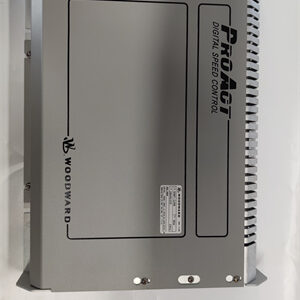
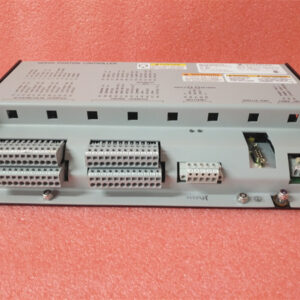
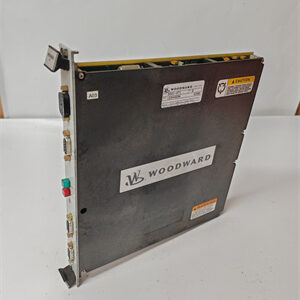
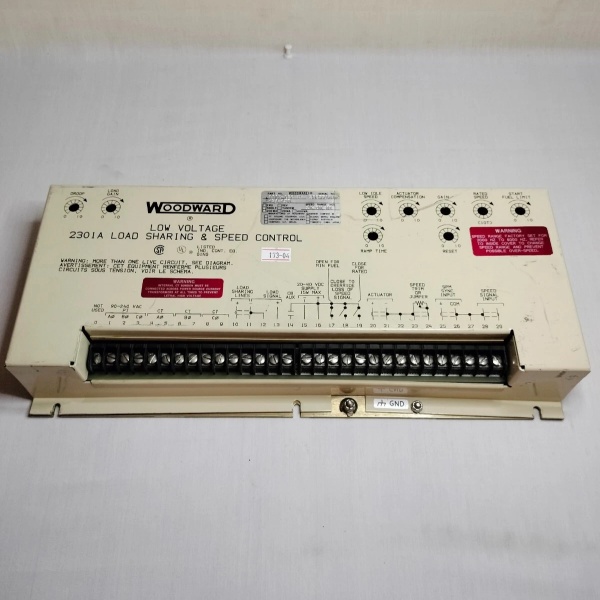
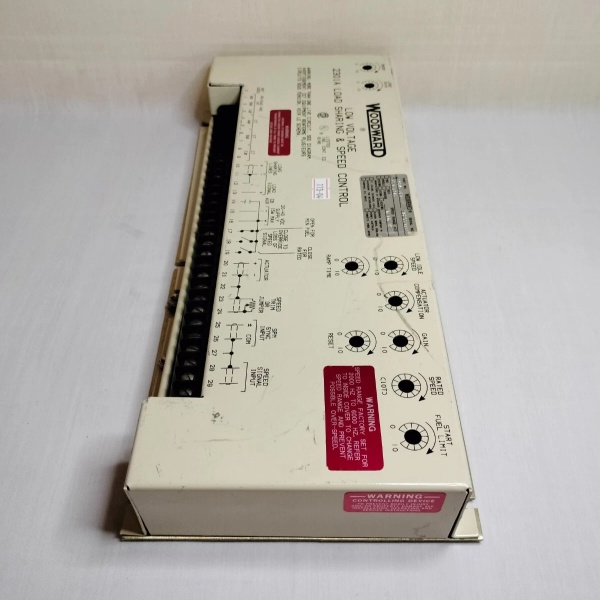
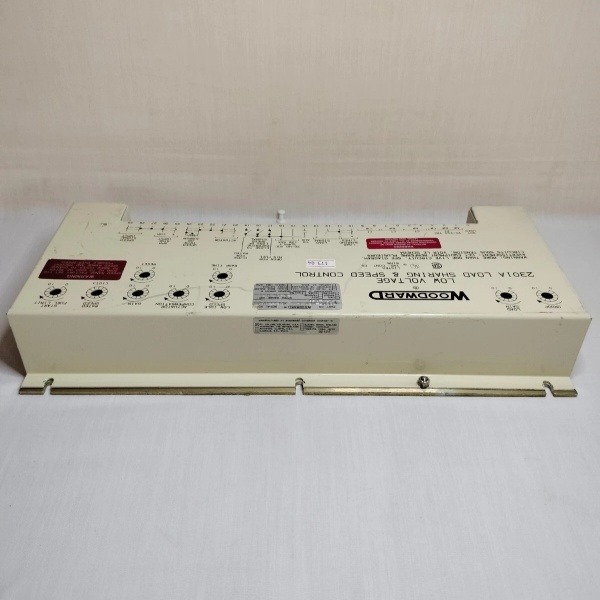
The Woodward 9905-228 is an enhanced SPM-A series synchronization module designed for industrial generator and turbine control systems operating in semi-harsh environments (e.g., outdoor substations, marine engine rooms, remote power plants). As an upgrade to base SPM-A models (e.g., 9905-028), it combines core synchronization functionality with enhanced diagnostics (fault logging), wider temperature tolerance, and communication capabilities (Modbus RTU), making it suitable for applications requiring remote monitoring or operation in variable climates.
Its core function is to match the offline unit’s frequency, phase, and voltage to the online system (utility grid or paralleled generators) within tight tolerances, then send a signal to close the circuit breaker—enabling seamless power transfer. The 9905-228 is widely used in systems where reliability under moderate stress (e.g., temperature swings, dust) is critical, and where basic synchronizers lack diagnostic depth.
Key Technical Specifications
Insights from Woodward SPM-A series documentation and industrial supplier listings (e.g., GlobalSpec, Thomasnet) reveal the following parameters for the 9905-228:
-
Input Voltage: 120 VAC RMS or 240 VAC RMS (supports North American and international power standards).
-
Frequency Range: 50 to 60 Hz (compatible with global grid frequencies).
-
Synchronization Tolerances:
-
Frequency: ±0.1 Hz (matches online system frequency).
-
Phase Angle: ±10° (aligns generator phase with the online system).
-
Voltage: 1–5% (adjusts generator voltage to match the online system).
-
-
Output Options:
-
Breaker Closure Signal: Dry contact (24 Vdc, 2A) to trigger circuit breaker closing.
-
Status Indication: 4x LED indicators (power, sync ready, fault, breaker closed).
-
Communication: Modbus RTU (RS-485) for remote monitoring/control.
-
-
Fault Logging: Non-volatile memory stores last 20 synchronization errors (e.g., frequency mismatch, phase timeout).
-
Power Consumption: ≤10 W (low-power design for continuous operation).
-
Operating Temperature: -30°C to +70°C (-22°F to +158°F) – extended range for semi-harsh environments.
-
Mounting: Panel-mounted (fits standard 19-inch control cabinets).
-
Certifications: CE, UL, CSA – compliant with international safety standards.
-
Dimensions: ~260 mm × 190 mm × 85 mm (10.2in × 7.5in × 3.3in) – compact for space-constrained panels.
-
Weight: ~3.8 kg (8.4 lbs) – lightweight for easy handling.

WOODWARD 9905-020P
Field Application & Problem Solved
In industrial power systems with moderate environmental challenges (e.g., temperature swings, dusty conditions) or demand for remote diagnostics, the 9905-228 addresses:
-
Limited Diagnostic Visibility: Base synchronizers (e.g., 9905-028) lack fault logging, making it hard to trace intermittent sync failures. The 9905-228’s error log simplifies root-cause analysis.
-
Temperature Sensitivity: Standard models (operating at -20°C to +70°C) may fail in colder climates. The 9905-228’s -30°C lower limit suits arctic or high-altitude sites.
-
Manual Synchronization Errors: Automates frequency/phase matching, eliminating human error in critical grid-connection steps.
Typical Applications:
-
Remote Power Plants: Synchronizing diesel generators in off-grid mining or oil/gas sites (Modbus RTU for remote monitoring).
-
Marine Auxiliary Power: Shipboard generator synchronization in temperate/tropical waters (wide temperature range).
-
Industrial Cogeneration: Paralleling turbine-driven generators with grid power in paper mills/refineries (dust-resistant design).
Installation & Maintenance Pitfalls (Expert Tips)
To ensure reliable synchronization with the 9905-228:
-
Verify Input Voltage & Surge Protection:
-
Confirm the input voltage (120/240V AC) matches the module’s rating. Install a surge protector (e.g., Woodward 5501-xxx) to guard against voltage spikes in industrial settings.
-
-
Calibrate Sensors in Target Environment:
-
For cold climates, calibrate the generator’s speed sensor (magnetic pickup) at -30°C to account for material contraction. Use a low-temperature tachometer.
-
-
Test Modbus Communication:
-
After installation, use a Modbus scanner (e.g., ModScan) to verify the module transmits sync status, fault codes, and voltage/frequency data.
-
-
Quarterly Fault Log Review:
-
Check the error log for recurring issues (e.g., frequent phase timeouts). Common causes include loose PT/CT connections or misaligned generator shafts.
WOODWARD 9905-020P
-
Technical Deep Dive & Overview
The 9905-228 operates on Woodward’s enhanced SPM-A synchronization algorithm, building on the 9905-028’s foundation with added resilience and connectivity:
-
Signal Reception:
-
Measures the online system’s frequency, phase, and voltage via potential transformers (PTs) and current transformers (CTs).
-
-
Comparison & Adjustment:
-
Compares the offline generator’s parameters to the online system. If mismatched, it sends a control signal to the generator’s governor (e.g., Woodward 2301A) to adjust speed (frequency) or excitation (voltage).
-
-
Phase Locking with Timeout:
-
Uses a phase-locked loop (PLL) circuit to align the generator’s phase with the online system. Includes a configurable timeout (30–300 seconds) to abort sync attempts if conditions aren’t met (prevents equipment stress).
-
-
Breaker Closure & Communication:
-
When all parameters are within tolerance, the module energizes a dry contact to close the circuit breaker and transmits a “sync successful” message via Modbus RTU.
-
Distinction from Similar Models:
-
Wider Temperature Range: -30°C to +70°C vs. 9905-028’s -20°C to +70°C.
-
Fault Logging: Stores 20 errors vs. 9905-028’s basic LED-only status.
-
Modbus RTU: Enables remote monitoring vs. 9905-028’s standalone operation.
Final Notes
The Woodward 9905-228 is an enhanced SPM-A series synchronizer designed for industrial generator/turbine control in semi-harsh environments with diagnostic or remote monitoring needs. Its fault logging, wide-temperature resilience, and Modbus RTU capability make it ideal for remote sites, marine applications, or facilities requiring proactive maintenance.
-
Choose 9905-228 if: You need fault logging, extended temperature tolerance (-30°C), or remote monitoring via Modbus.
-
Consider Alternatives: For basic synchronization in controlled environments, use 9905-028; for arctic extremes, use 9905-001-G.
Always refer to Woodward’s SPM-A Enhanced Series Manual (Document # SPM-A-ENH-001) for installation guidelines. For Modbus configuration, use Woodward’s Modbus Configuration Tool (Software # MST-001).