Description
1. Product Description
2. Product Parameters
| Parameter | Specification |
|---|---|
| Measurement Type | Eddy current non-contact displacement |
| Range | 0 to 25 mm (0 to 1 inch) |
| Sensitivity | 7.87 V/mm (200 mV/mil) |
| Linear Range | ±10% of full scale |
| Operating Temperature | -54°C to +177°C (-65°F to +350°F) |
| Supply Voltage | 18 to 30 VDC (nominal 24 VDC) |
| Output Signal | -10 to 0 VDC proportional to displacement |
| Frequency Response | 0 to 10 kHz (±3 dB) |
| Cable Length | 8 meters (26.2 feet) standard |
| Compatibility | Bentley 3500 Monitoring System, PLC/DCS systems |
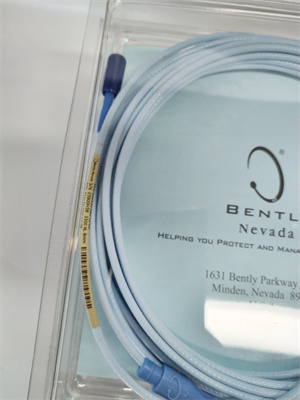
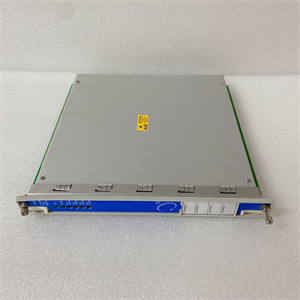
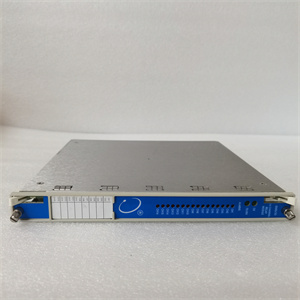
BENTLY 330130-080-12-05
3. Advantages and Features
4. Application Areas and Case Study
5. Competitive Comparison
Compared to similar eddy current sensors, the 330130-080-12-05 offers superior temperature resistance and a wider linear range, making it suitable for more demanding applications. Its robust design and compatibility with industry-standard monitoring systems reduce the need for custom engineering, providing a cost-effective solution without compromising on performance. The sensor’s low noise output and high signal-to-noise ratio also set it apart, ensuring reliable measurements in high-vibration environments where other sensors might struggle.
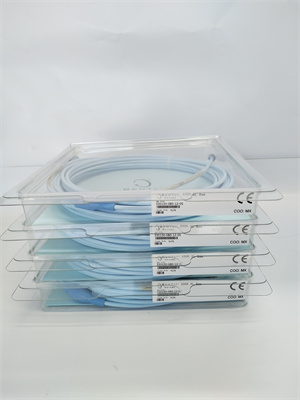
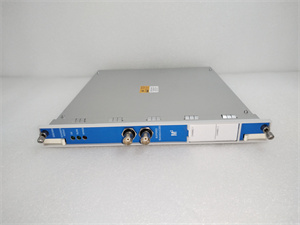
BENTLY 330130-080-12-05
6. Selection Recommendations
- Measurement Requirements: Ensure the sensor’s range and sensitivity match your machinery’s expected movement parameters.
- Environmental Conditions: Verify the operating temperature and vibration resistance to suit your installation environment.
- System Compatibility: Confirm compatibility with your existing monitoring system (e.g., Bentley 3500 Series modules) to avoid integration issues.
- Cable Length: Assess the required cable length for your setup, as extended lengths may require signal conditioning.
- Budget: Balance performance needs with cost, noting that this model offers premium reliability for critical applications.
7. Precautions
- Installation: Follow Bentley’s guidelines for probe alignment and air gap calibration to ensure accurate measurements.
- Electromagnetic Interference (EMI): Route sensor cables away from high-voltage or high-frequency sources to minimize EMI effects.
- Maintenance: Regularly inspect the probe and cable for physical damage, especially in high-vibration environments.
- Calibration: Recalibrate the sensor at recommended intervals (typically annually) using certified calibration tools to maintain accuracy.
- Safety: De-energize the system and follow lockout/tagout procedures before installing or servicing the sensor.
Shanxi Xinyeda International Trading Co., Ltd. is your trusted partner, we provide PFEA112-65 3BSE030369R65 and other automation spare parts sales and technical support. Please visit our website www.xydcontrol.com or contact us and we will be happy to serve you.