Description
System Architecture & Operational Principle
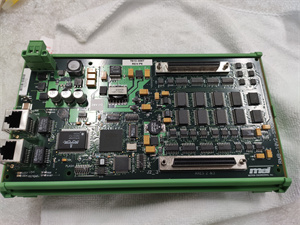
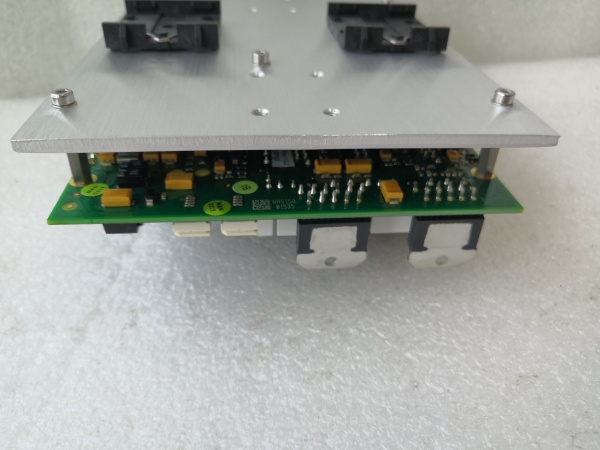
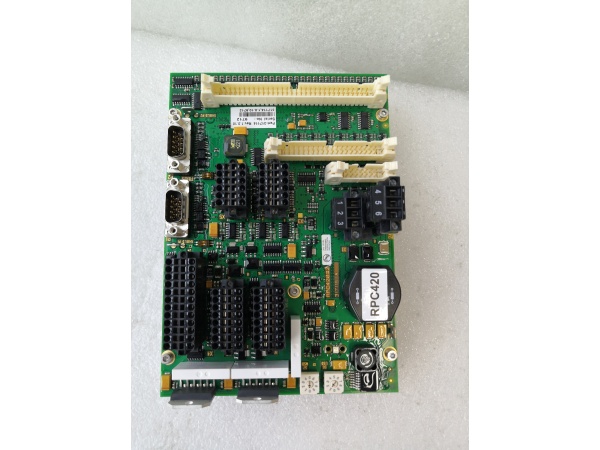
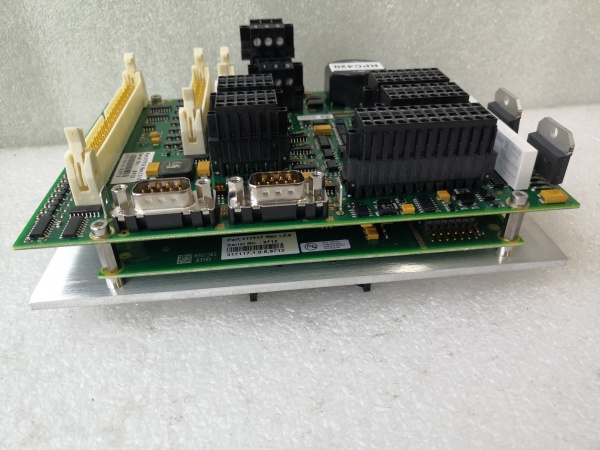
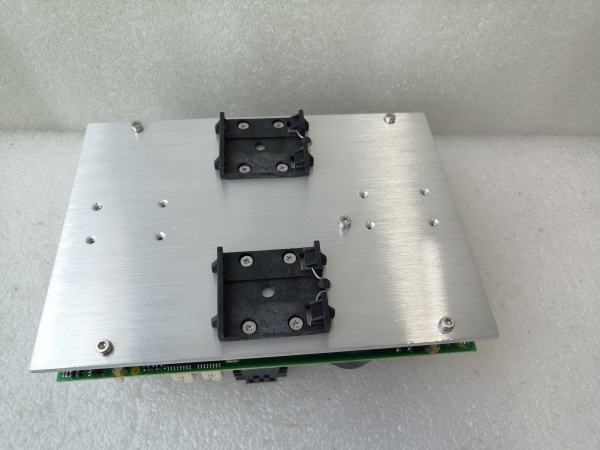
The KONGSBERG RPC420 317114 is a marine-grade remote process control interface designed for Purdue Model Level 2 (Basic Control) in shipboard automation systems. It serves as the central hub for K-Thrust Remote Control Systems (RCS), connecting upstream control position devices (e.g., levers, utility panels) to downstream thruster controllers and shipboard SCADA systems.
Core Functional Blocks
-
Power Conversion: Converts 24 VDC input (from shipboard control power) to stabilized power for internal components, with over-voltage and reverse-polarity protection.
-
Processing Unit: A PowerPC-based embedded controller (e.g., MPC8245) executes real-time control algorithms (e.g., PID, dynamic positioning logic) and manages communication with field devices.
-
Communication Interfaces:
-
Dual CANopen: For connecting to thruster controllers and local I/O modules (e.g., RPM sensors, azimuth encoders).
-
Dual Ethernet: For high-speed communication with shipboard SCADA systems (e.g., KONGSBERG K-Chief 500).
-
Serial Lines: For legacy device integration (e.g., NMEA 0183 sensors).
-
-
I/O Channels: 32 software-configurable channels (analog/digital) for connecting levers, buttons, and indicator lamps, with galvanic isolation to prevent ground loops.
-
Protection Mechanisms: Includes overcurrent, overvoltage, short-circuit, and thermal protection, with an enhanced watchdog for fail-safe operation.
Operational Workflow
-
Command Reception: Receives motion commands (e.g., target azimuth, thrust level) from control position levers or utility panels via digital/analog I/O.
-
Algorithm Execution: The PowerPC processor executes control algorithms to convert lever inputs into thruster commands (e.g., adjusting propeller pitch or azimuth).
-
Actuator Control: Sends commands to downstream thruster controllers via CANopen, which adjusts the thruster’s speed and direction.
-
Feedback Processing: Receives real-time feedback (e.g., thruster RPM, azimuth angle) from sensors via CANopen/serial lines, and updates the control position indicators (e.g., LCD displays, lamps).
-
Status Monitoring: Transmits operational data (e.g., temperature, current draw, fault codes) to the shipboard SCADA system for diagnostics and logging.
The RPC420 317114’s redundant design (dual CANopen/Ethernet) and hot-swap capability minimize downtime in critical applications like dynamic positioning, where continuous control is essential.

KONGSBERG RPC420 317114
Core Technical Specifications
|
Parameter
|
Specification
|
|---|---|
|
Processor
|
PowerPC MPC8245 (400 MHz)
|
|
Memory
|
64 MB SDRAM (133 MHz), 32 MB flash (application storage)
|
|
Input Voltage
|
24 VDC (±30% tolerance)
|
|
Power Consumption
|
Max. 20 W
|
|
Communication
|
Dual CANopen (1 Mb/s), dual Ethernet (10/100BASE-TX), 32 serial lines (RS232/RS422/RS485)
|
|
I/O Channels
|
32 software-configurable (analog/digital), galvanic isolation
|
|
Protection Level
|
IP20 (dust-protected, indoor use)
|
|
Operating Temperature
|
-20°C to +70°C (ambient)
|
|
Storage Temperature
|
-40°C to +85°C
|
|
Humidity
|
0–95% RH (non-condensing)
|
|
Dimensions
|
180 mm (H) × 130 mm (W) × 50 mm (D) (approx.)
|
|
Weight
|
0.5 kg (approx.)
|
|
Certifications
|
DNV, ABS, IEC 60945 (Marine Environmental), CE
|
Customer Value & Operational Benefits
1. High Reliability for Critical Marine Applications
The RPC420 317114’s redundant communication interfaces (dual CANopen/Ethernet) and hot-swap capability ensure continuous operation in dynamic positioning systems, where a single point of failure could lead to loss of vessel control. The IEC 60945 certification guarantees compliance with marine environmental standards, making it suitable for harsh shipboard conditions (e.g., salt spray, vibration).
2. Flexible Integration with Legacy and Modern Systems
With support for multiple communication protocols (CANopen, Ethernet, serial), the RPC420 317114 integrates seamlessly with both legacy devices (e.g., NMEA 0183 sensors) and modern shipboard SCADA systems (e.g., KONGSBERG K-Chief 500). This flexibility reduces the need for costly system overhauls when upgrading marine automation systems.
3. Reduced Downtime with Built-In Diagnostics
The RPC420 317114 features extended Built-in Self-Test (BIST) for computer diagnostics and fault identification during start-up and runtime. The enhanced watchdog with fail-safe function and system status output minimize the risk of unexpected shutdowns, reducing downtime in critical applications like thruster control.
4. Energy Efficiency for Sustainable Operations
The RPC420 317114’s low power consumption (max. 20 W) and efficient power conversion reduce energy costs for shipboard systems, which is particularly important for offshore vessels where power is limited.
KONGSBERG RPC420 317114
Field Engineer’s Notes (From the Trenches)
When installing the RPC420 317114, always verify the 24 VDC input voltage with a True-RMS multimeter—low voltage can cause the module to reset intermittently. I once saw a site use a 20 VDC supply without correction, leading to blown power capacitors.Route CANopen cables separately from power cables—parallel runs induce EMI, causing communication errors in thruster controllers. Use shielded twisted-pair (STP) cables with 360° grounding for CANopen lines.Enable the enhanced watchdog in the RPC software—this ensures the system enters a fail-safe state if a fault occurs, preventing uncontrolled thruster movements.Update firmware annually—KONGSBERG’s marine automation software provides bug fixes and enhanced device compatibility (e.g., new thruster models). Use the RPC’s online firmware upgrade feature to minimize downtime.
Real-World Applications
1. Marine Dynamic Positioning (DP) Systems
A offshore supply vessel uses the RPC420 317114 to control its dynamic positioning system, which keeps the vessel in a fixed position relative to an offshore platform. The RPC receives lever commands from the bridge console, converts them into thruster commands via CANopen, and sends feedback (e.g., vessel position, thruster RPM) to the shipboard SCADA system. The dual Ethernet LAN ensures continuous communication with the SCADA system, even if one network fails.
2. Shipboard Thruster Control
A cargo vessel uses the RPC420 317114 to control its azimuth thrusters, which are used for maneuvering in ports. The RPC receives commands from the bridge levers, adjusts the thruster’s azimuth and speed via CANopen, and displays the thruster status (e.g., azimuth angle, RPM) on the bridge console. The IP20 protection rating makes it suitable for installation in the bridge console, where dust and moisture are controlled.