Description
System Architecture & Operational Principle
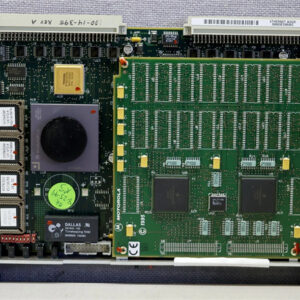
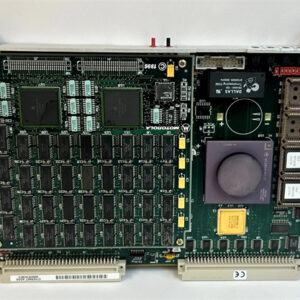
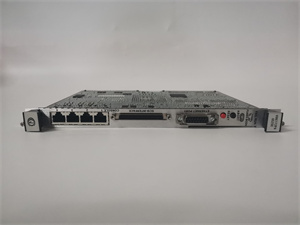
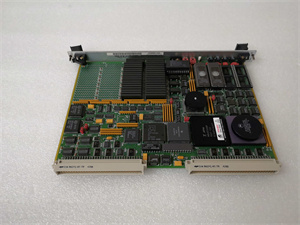
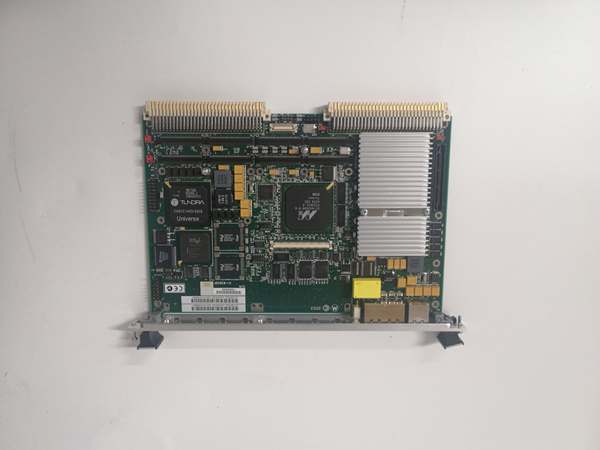
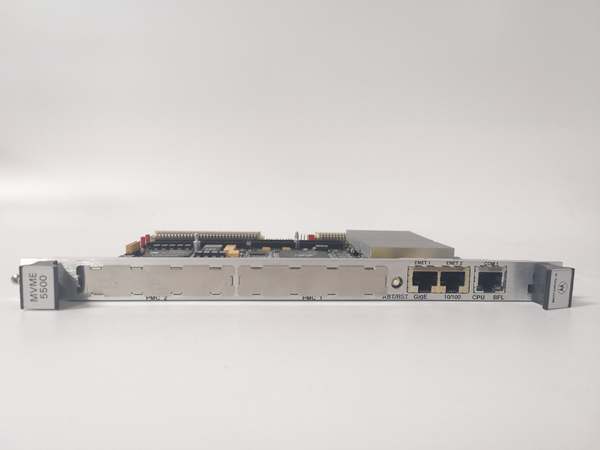
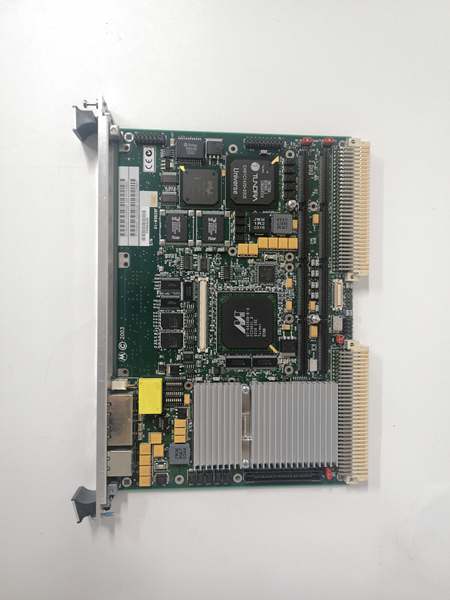
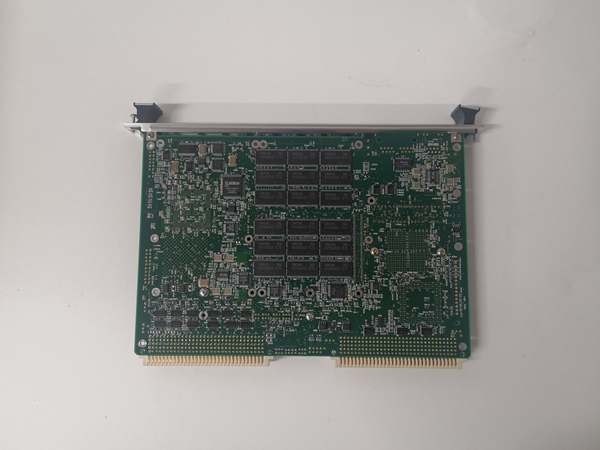
The MOTOROLA MVME5500 is a 6U VMEbus single board computer positioned at Purdue Model Level 1-2, acting as the primary processing node in distributed control systems. It receives commands from higher-level systems (Level 3-4) via Ethernet or serial links, executing real-time control logic. Downstream, it communicates with I/O modules and other VME cards through the VME64 backplane, using P1/P2 connectors for data, address, and control signals. The VME64 backplane provides a parallel, multi-master bus architecture allowing concurrent access, which increases system throughput compared to earlier VME standards. The SBC’s AltiVec coprocessor offloads vector math from the main CPU, useful in signal processing tasks. The dual 64-bit PCI buses allow for high-speed expansion with PMC modules, integrating specialized functions like A/D conversion. The inherent advantage of the VME64 backplane is its deterministic timing and ability to support hot-swap of certain modules, critical for maintaining uptime in continuous process plants.

Motorola MVME5500
Core Technical Specifications
-
Processor: PowerPC G4 (MPC7455/MPC7457), 1 GHz+
-
Cache: 512 KB L2 (on-chip), 2 MB L3 (on-chip)
-
Memory: 512 MB ECC SDRAM (expandable to 1 GB), 40 MB Flash (32 MB soldered + 8 MB socketed)
-
VMEbus Interface: VME64 (32/64-bit addressing, 32-bit data, A16/A24/A32)
-
PCI Buses: Dual 64-bit (33/66 MHz)
-
I/O Ports: 2x Gigabit Ethernet, 2x RS-232/422/485, 2x USB 2.0, 16x digital I/O
-
Expansion: 2x PMC sites
-
Operating Temperature: -40°C to +85°C
-
Power Consumption: ~15–20 W (typical, idle)
-
Form Factor: 6U VME (single slot)
-
Certifications: CE, UL, RoHS, MIL-STD-810F
Customer Value & Operational Benefits
The MVME5500 provides a balance of processing power and I/O flexibility for legacy and modernized systems. Its architecture addresses key operational challenges.
-
Reduced Downtime: The VME64 backplane supports hot-swap for maintenance actions, minimizing disruption. ECC memory detects and corrects single-bit errors, preventing crashes from radiation-induced faults common in some environments.
-
Extended Asset Life: The SBC runs mature real-time operating systems like VxWorks and Linux. Its processor architecture is compatible with legacy code, easing migration paths. Spare parts and refurbished units remain available from third-party vendors.
-
Diagnostic Capability: On-board LEDs indicate power, processor activity, and communication status. Access to JTAG boundary scan aids in fault isolation to the board level. This supports fast root-cause analysis during outages.
Motorola MVME5500
Field Engineer’s Notes (From the Trenches)
When replacing an MVME5500 in a live VME chassis, always check the backplane P1/P2 connector pins for bend or corrosion. I’ve seen a system fail to boot because a single bent pin on the backplane prevented proper seating of the SBC. Also, verify the chassis power budget; the SBC draws ~20 W, and adding PMC modules can exceed the slot’s allocated power, causing intermittent resets. Use a digital multimeter to confirm +5V and ±12V rail voltages at the backplane connector before insertion.
Real-World Applications
-
Hydrocracker Interlock Logic (SIS): In a petroleum refinery, an MVME5500 hosts the safety instrumented function (SIF) logic for a hydrocracker unit. It receives inputs from redundant temperature and pressure transmitters. Upon detecting a deviation, it executes the shutdown sequence, commanding solenoid-operated valves to isolate the feedstock and activate emergency cooling systems. The deterministic nature of the VME bus ensures the interlock responds within the required safety time frame.
-
Gas Turbine Overspeed Protection: On a heavy-duty gas turbine, an MVME5500 reads shaft speed from magnetic pickup sensors. It runs a protective algorithm comparing the speed against a trip threshold. If overspeed is detected, it sends a trip signal to the fuel gas stop valve actuator. The AltiVec coprocessor accelerates the FFT calculations used in vibration analysis, providing early warning of bearing faults.