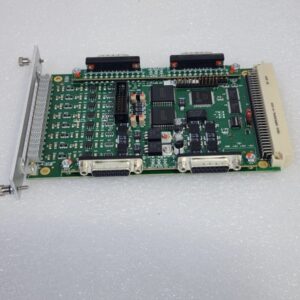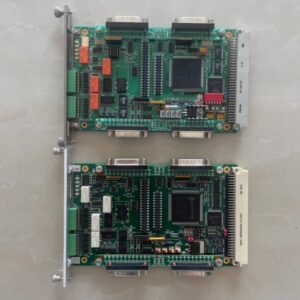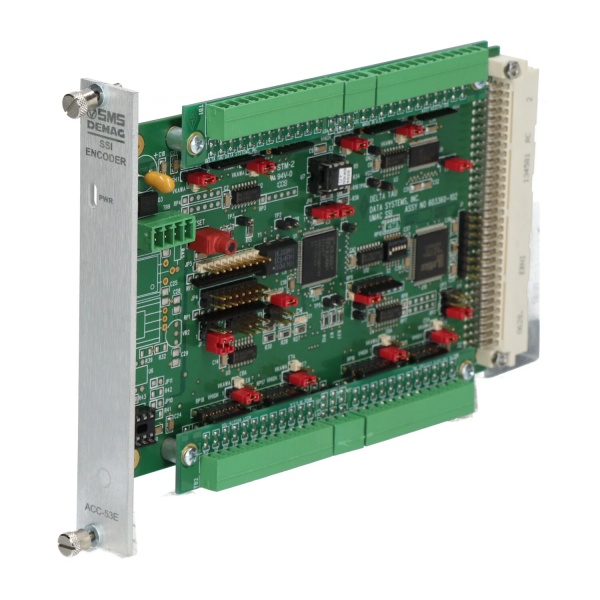
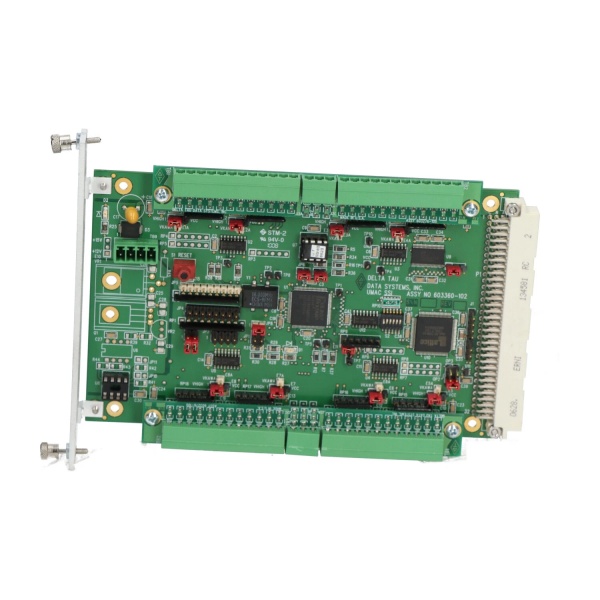
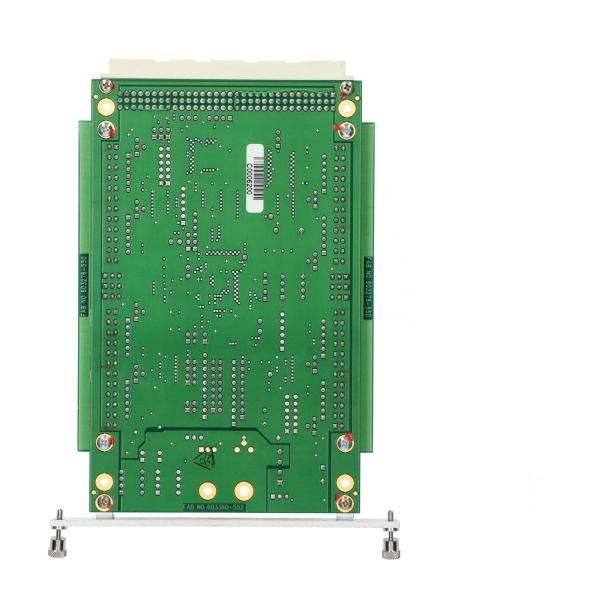
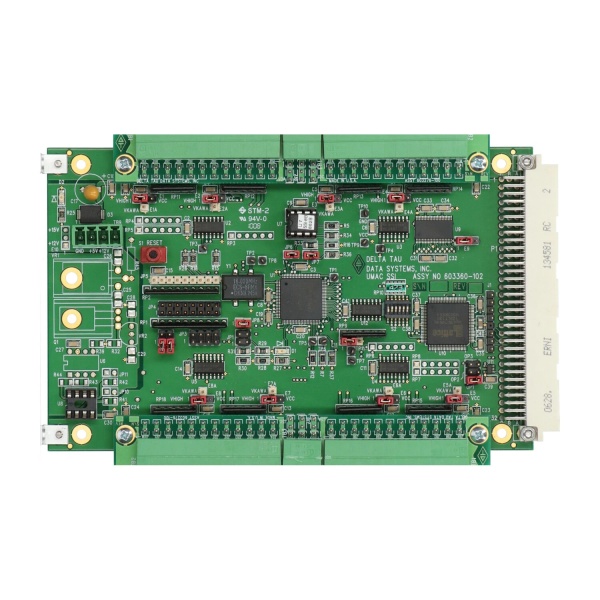
DELTA TAU ACC-53E | Turbo PMAC2 Accessory Board

  • Brand:​ DELTA TAU

  • Model:​ ACC-53E

  • Product Type:​ Turbo PMAC2 Accessory Board

  • Series:​ Turbo PMAC2

  • Core Function:​ Provides 8-axis digital servo interface with SERCOS interface for high-performance motion control systems.

  • Key Specs:​ 8 servo channels, SERCOS interface, digital fiber optic communication, 16-bit resolution.
Manufacturer:
Part number: DELTA TAU ACC-53E
Our extensive catalogue, including : DELTA TAU ACC-53E , is available now for dispatch to the worldwide.
  • Full 12-month warranty
  • Available for dispatch immediately
  • We deliver worldwide

Description

ACC-53E: Product Overview
The DELTA TAU ACC-53E is a high-performance digital servo interface accessory board designed for the Turbo PMAC2 motion controller platform, providing multi-axis digital servo control via the SERCOS (SErial Real-time Communication System) interface. This board serves as a digital motion network interface, enabling high-speed communication between the Turbo PMAC2 motion controller and digital servo drives using fiber optic technology. The module operates within the Turbo PMAC2 system architecture, providing a robust solution for applications requiring noise immunity, long-distance communication, and precise synchronization of multiple axes.
Installed as an accessory to the main Turbo PMAC2 CPU board, this interface supports up to eight independent servo channels through a single fiber optic ring network. The board implements the SERCOS standard, which provides deterministic real-time communication with cycle times as low as 62.5 microseconds. Each channel supports full digital servo control, including position, velocity, and torque control modes, with the ability to handle complex motion profiles and advanced servo algorithms. The fiber optic implementation provides complete electrical isolation between the controller and drives, eliminating ground loop issues and providing immunity to electromagnetic interference in industrial environments.
As part of the Turbo PMAC2 product family, this accessory board integrates seamlessly with the platform’s advanced motion control capabilities, supporting features such as electronic gearing, cam profiling, and coordinated multi-axis interpolation. The deterministic nature of the SERCOS interface ensures precise synchronization between all axes on the network, making it suitable for applications requiring tight coordination, such as multi-axis machining, printing systems, and packaging machinery. The digital interface also enables comprehensive drive parameterization and diagnostics, providing enhanced system monitoring and maintenance capabilities.

ACC-53E

ACC-53E

ACC-53E: Technical Specifications

  • Model Number:​ ACC-53E

  • Manufacturer:​ DELTA TAU

  • Product Type:​ Turbo PMAC2 Accessory Board

  • Number of Axes:​ 8 independent servo channels

  • Interface Type:​ SERCOS (SErial Real-time Communication System)

  • Communication Medium:​ Fiber optic ring network

  • Data Resolution:​ 16-bit for command and feedback data

  • Cycle Time:​ Configurable from 62.5 μs to 4 ms

  • Network Topology:​ Ring topology with redundant fiber paths

  • Maximum Network Length:​ 100 meters between nodes

  • Number of Nodes:​ Supports up to 8 drives per interface

  • Communication Protocol:​ SERCOS I/II compliant

  • Data Types:​ Position, velocity, torque commands and feedback

  • Servo Update Rate:​ Synchronized to SERCOS cycle time

  • Communication Interface:​ Parallel bus to Turbo PMAC2 CPU

  • Power Supply:​ +5V DC from host controller

  • Operating Temperature:​ 0°C to 60°C

  • Connector Type:​ ST-type fiber optic connectors

  • Isolation:​ Complete galvanic isolation via fiber optics

  • Compatibility:​ SERCOS-compliant drives and I/O modules

    ACC-53E
    ACC-53E

Core Features & Customer Value
Digital Fiber Optic Communication: The SERCOS interface implementation provides complete electrical isolation between the controller and drives through fiber optic technology, eliminating ground loops and providing immunity to electromagnetic interference. This is particularly valuable in industrial environments with significant electrical noise or where long cable runs are required. The fiber optic medium also supports higher data rates and longer distances compared to traditional analog interfaces, enabling more distributed system architectures.
Deterministic Real-Time Performance: The SERCOS protocol provides guaranteed cycle times as low as 62.5 microseconds, ensuring precise synchronization between all axes on the network. This deterministic performance is essential for applications requiring tight coordination between multiple axes, such as electronic gearing, camming operations, and multi-axis interpolation. The fixed cycle times ensure consistent servo performance regardless of network loading or other system activities.
Enhanced Diagnostics and Parameterization: The digital interface enables comprehensive communication between the controller and drives, providing access to detailed drive parameters, fault information, and performance data. This enhanced visibility allows for more sophisticated tuning, monitoring, and troubleshooting capabilities compared to analog systems. Drive parameters can be stored and downloaded automatically, simplifying system commissioning and maintenance.
Typical Applications
In multi-axis CNC machining centers, the interface controls spindle and axis drives with precise synchronization for complex 5-axis machining operations. The deterministic nature of the SERCOS network ensures accurate interpolation between axes, maintaining path accuracy during high-speed contouring operations. The fiber optic isolation prevents electrical noise from affecting sensitive position feedback signals.
For printing and converting machinery, the board coordinates multiple axes in web handling applications, maintaining precise registration and tension control. The ability to synchronize up to eight axes makes it suitable for complex printing presses with multiple color stations, drying sections, and finishing operations requiring tight speed and phase relationship maintenance.
In packaging machinery, the interface manages servo axes for filling, capping, and labeling operations with electronic line shafting functionality. The digital network allows for flexible machine configurations and quick changeovers between different package sizes or product types without mechanical adjustments.
We've got you covered
We give you access to a global supply of automation parts at your fingertips, ensuring that manufacturers around the world can avoid unnecessary downtime and continue to do what they do best – making our world possible.
  • Full 12-month warranty on all components
  • Dedicated after-sales support
  • Same-day dispatch on 1000s of parts
  • All units are fully tested
Continue Searching
We're here when you need us
What happens next?
  • 1. Email confirmation
    You will get an email confirming that we have received your enquiry.
  • 2. Dedicated Account Manager
    One of our team will be in touch to confirm your part(s) specification and condition.
  • 3. Your quote
    You will receive a comprehensive quote tailored to your specific needs.