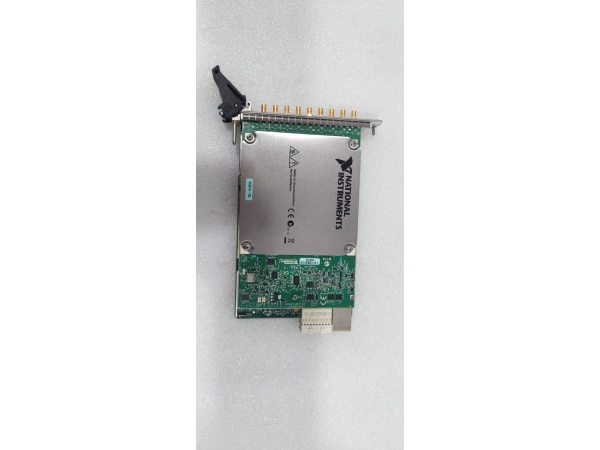
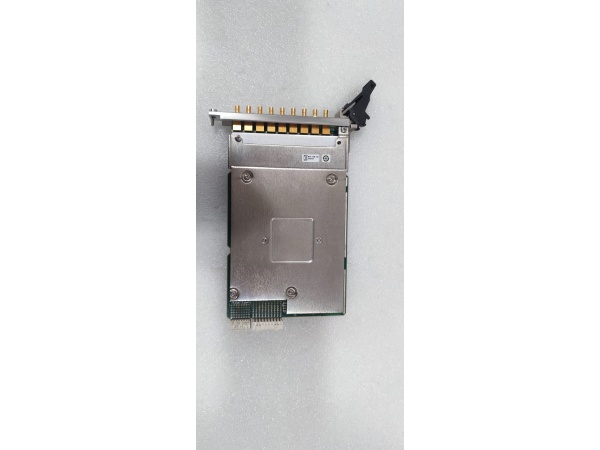
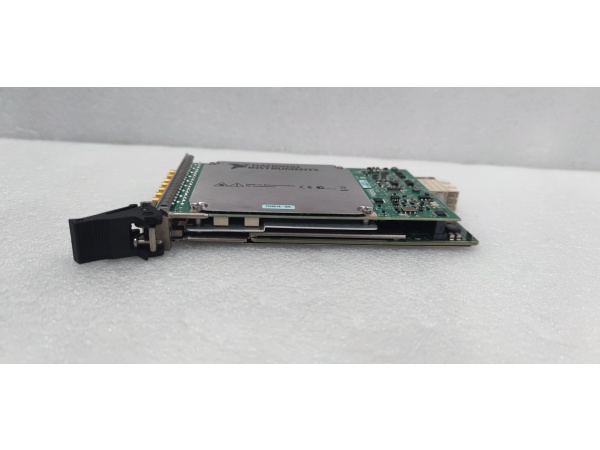
Description
System Architecture & Operational Principle
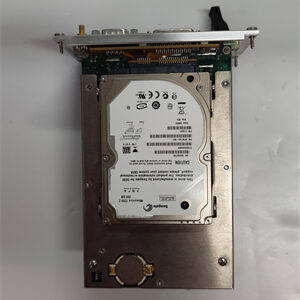
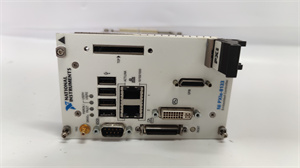
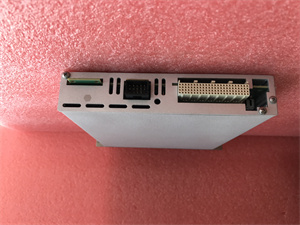
The NI PXIe-5105 is an 8-channel, 12-bit PXI Express oscilloscope designed for high-performance signal acquisition. It integrates eight independent input channels, each with a 12-bit analog-to-digital converter (ADC), into a single 3U PXIe module. The module connects to a PXIe chassis via a x4 Gen 2 PCIe interface, enabling high-speed communication with the host computer and other PXIe devices.
Core Functional Blocks
-
Input Channels: Each channel features a programmable gain amplifier (PGA) for voltage range adjustment (-15 V to +15 V), selectable input impedance (1 MΩ or 50 Ω), and 4-wire remote sensing to compensate for lead resistance.
-
Acquisition Engine: An 8-channel, 12-bit ADC with a 60 MS/s sampling rate per channel ensures synchronous data acquisition. The engine supports decimation (integer divisor) to reduce the effective sampling rate for lower-bandwidth applications.
-
Clocking Circuitry: The module uses a 60 MHz voltage-controlled crystal oscillator (VCXO) for internal clocking. It supports phase-locked loop (PLL) synchronization to an external reference clock (5–20 MHz) or the PXI backplane’s 10 MHz clock (PXI_CLK10) for multi-device synchronization.
-
Trigger System: Multiple trigger modes (edge, pulse width, window, pattern) allow precise capture of signal events. Triggers can be sourced from the input channels, an external PFI connector, or the PXI backplane.
-
Onboard Memory: 512 MB of DDR3 memory stores acquired data, enabling extended recording without real-time data transfer. The memory is accessible via the PXIe interface for post-processing.
Operational Workflow
-
Configuration: The user sets up the module (sampling rate, voltage range, trigger mode) using NI-SCOPE software or a programming language (e.g., LabVIEW, Python).
-
Acquisition: The module acquires data from the input channels using the internal or external clock. The trigger system initiates acquisition when the specified condition is met.
-
Storage: Acquired data is stored in the onboard memory. If the memory fills, the module stops acquiring or overwrites old data (circular buffering).
-
Transfer: Data is transferred to the host computer via the PXIe interface for analysis or visualization. The module supports data streaming for real-time processing.

NI PXIe-5105
Core Technical Specifications
|
Parameter
|
Specification
|
|---|---|
|
Channels
|
8 independent, synchronous input channels
|
|
Vertical Resolution
|
12 bits
|
|
Sampling Rate
|
60 MS/s per channel (max); decimation supported
|
|
Analog Bandwidth
|
60 MHz
|
|
Input Voltage Range
|
-15 V to +15 V (programmable via PGA)
|
|
Input Impedance
|
1 MΩ (default) or 50 Ω (selectable)
|
|
Onboard Memory
|
512 MB DDR3
|
|
Clocking
|
Internal 60 MHz VCXO; PLL synchronization to external reference (5–20 MHz) or PXI_CLK10
|
|
Trigger Modes
|
Edge, pulse width, window, pattern, external (PFI)
|
|
Communication
|
PXIe x4 Gen 2 (compatible with PXIe-1085 chassis)
|
|
Operating Temperature
|
0°C to +55°C (ambient)
|
|
Power Requirements
|
2.1 A from 12 V rail; 2.9 A from 3.3 V rail (PXIe chassis)
|
Customer Value & Operational Benefits
1. High-Channel Density for Multi-Signal Applications
The 8 synchronous channels allow simultaneous acquisition of multiple signals (e.g., from sensors, circuits, or devices) with timing consistency. This is critical for applications like automotive ECU testing (monitoring 8 analog signals from a engine control unit) or aerospace avionics (capturing data from multiple flight sensors).
2. Precision Measurement with 12-Bit Resolution
The 12-bit vertical resolution provides fine quantization of input signals, enabling detection of small voltage changes (e.g., 1 mV steps in a 15 V range). This is essential for semiconductor testing (characterizing transistor leakage currents) or medical device validation (measuring biosensor outputs).
3. Fast Sampling for High-Frequency Signals
The 60 MS/s sampling rate and 60 MHz bandwidth allow accurate capture of high-frequency signals (e.g., clock signals, RF pulses). This is ideal for consumer electronics testing (validating smartphone antenna signals) or industrial automation (monitoring high-speed motor control signals).
4. Flexible Synchronization for Multi-Device Systems
The PLL clocking and PXI backplane synchronization enable coordination with other PXIe devices (e.g., function generators, switches). This is critical for complex test setups (e.g., testing a power supply with a PXIe-5403 function generator and PXIe-5105 oscilloscope).
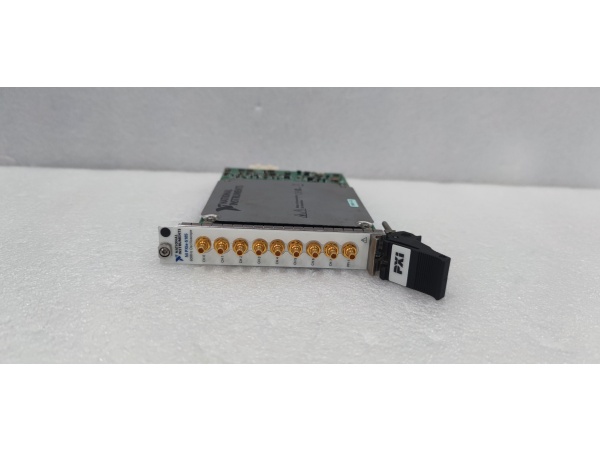
NI PXIe-5105
Field Engineer’s Notes (From the Trenches)
When installing the PXIe-5105, always verify the PXIe chassis power supply—the module requires 2.1 A from the 12 V rail and 2.9 A from the 3.3 V rail. I once saw a technician install the module in a chassis with insufficient power, leading to intermittent resets. Use a multimeter to measure the rail voltages before installation.Check the PXIe link status (via NI MAX) after installation—if the link is down, re-seat the module and check the chassis fan speed (set to “HIGH” for adequate cooling). I’ve spent hours troubleshooting “no comms” faults only to find the fan was set to “LOW,” causing the module to overheat and shut down.Perform a self-calibration (via NI MAX) after installation—this corrects for variations in the module’s environment (e.g., temperature, humidity) and ensures accurate measurements. I recommend doing this at least once a month, especially in environments with large temperature swings.
Real-World Applications
1. Automotive ECU Testing
A automotive manufacturer uses the PXIe-5105 to test engine control units (ECUs). The 8 channels monitor analog signals from sensors (e.g., throttle position, oxygen levels) while the 12-bit resolution captures small voltage changes. The 60 MS/s sampling rate allows characterization of high-frequency signals (e.g., fuel injector pulses).
2. Aerospace Avionics Validation
A defense contractor uses the PXIe-5105 to validate avionics systems. The module captures data from multiple flight sensors (e.g., accelerometers, gyroscopes) with 8 synchronous channels. The PLL synchronization ensures that data from the PXIe-5105 is time-aligned with data from other PXIe devices (e.g., a PXIe-5441 arbitrary waveform generator).
3. Semiconductor Device Characterization
A semiconductor company uses the PXIe-5105 to characterize transistors. The 12-bit resolution detects small leakage currents, while the 60 MS/s sampling rate captures fast switching transients. The 8 channels allow simultaneous testing of multiple devices, increasing throughput.