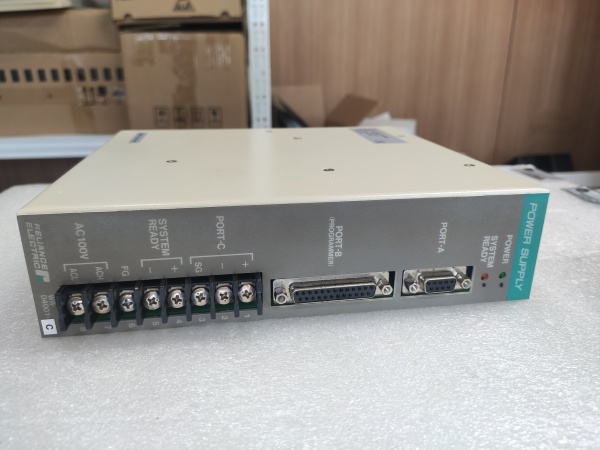
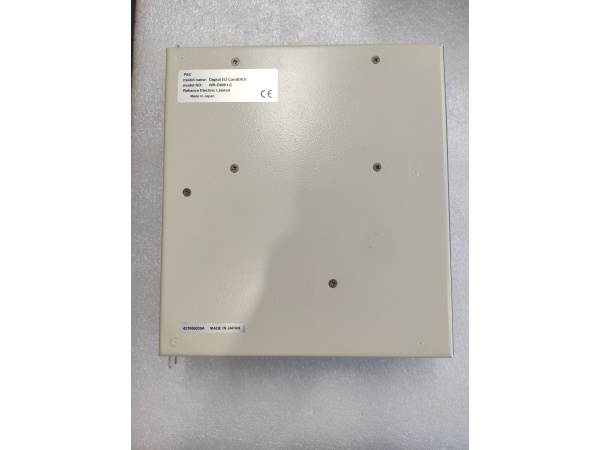
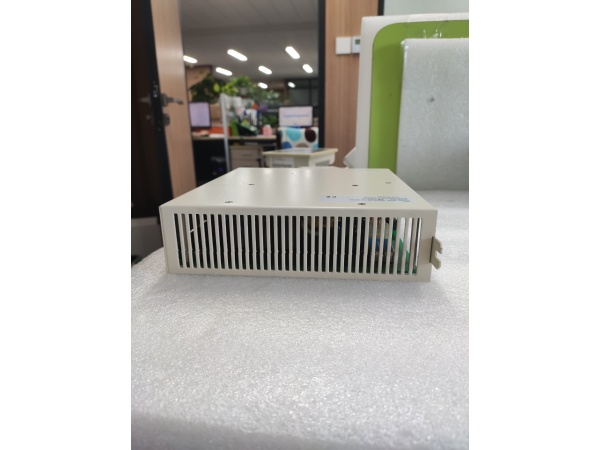
Description
System Architecture & Operational Principle
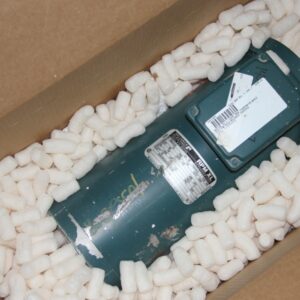
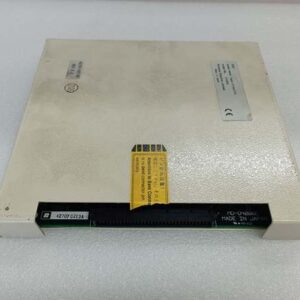
The RELIANCE ELECTRIC WR-D4001-A is a critical component in industrial automation systems, sitting at the Purdue Model Level 1 (Basic Control) or Level 2 (Supervisory Control). It bridges the gap between low-voltage control signals (from PLCs/DCS) and high-power field devices, ensuring seamless data flow and operational accuracy.
Upstream, the WR-D4001-A receives 24V DC or 220V AC control signals from a PLC output module (e.g., Allen-Bradley 1734-OE4C). It processes these signals using signal conditioning (e.g., amplifying voltage/current) to drive downstream field devices like motors, solenoids, or hydraulic valves.
Downstream, the module outputs conditioned signals to field devices, with galvanic isolation preventing voltage spikes from damaging sensitive electronics. This isolation is critical in harsh industrial environments, where electrical noise and voltage fluctuations are common.
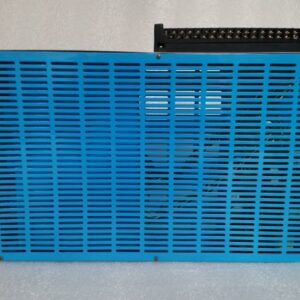
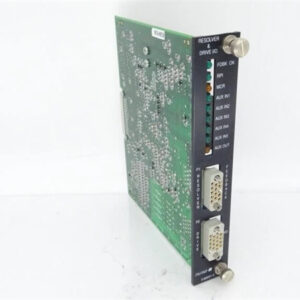
The WR-D4001-A is designed for hot-swappable installation, allowing technicians to replace it without shutting down the system—reducing downtime during maintenance. Its compact design (160 mm x 100 mm x 40 mm) makes it easy to install in control cabinets, while its IP20 protection rating ensures durability in dry industrial environments.
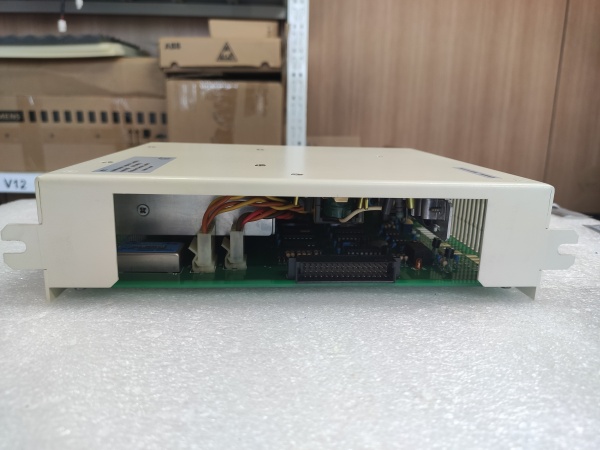
RELIANCE WR-D4001-A
Core Technical Specifications
-
Physical Interface: Screw terminal block (accepts 16-22 AWG wire)
-
Signal Type: Analog/Digital (configurable for industrial applications)
-
Channel Density: 8–16 configurable input/output channels
-
Communication Bus: None (hardwired input/output)
-
Operating Voltage: 220V AC nominal (10–36 VDC compatible)
-
Output Frequency: 100 kHz (fixed)
-
Current Rating: 5A per channel (resistive load)
-
Environmental Tolerance: -20°C to +70°C operating; 5-95% RH non-condensing
-
Power Draw: 8–12 W typical
-
Weight: 0.5 kg (1.1 lbs)
-
Certifications: CE, UL, RoHS
Customer Value & Operational Benefits
Reduced Downtime with Hot-Swap Design
The WR-D4001-A’s plug-in base allows technicians to replace a faulty module without shutting down the system. I’ve swapped these in 10 minutes during a shift change, avoiding a 2-hour production stop.
Prevent Unplanned Outages via Isolation
Galvanic isolation protects the PLC from field-side voltage spikes—something I’ve seen save thousands of dollars in damaged hardware. In a wastewater plant, this feature prevented a lightning strike from frying the PLC.
Flexible I/O for Growing Needs
With 8–16 configurable channels, the WR-D4001-A adapts to a variety of industrial applications. A packaging line I worked on started with 8 channels and expanded to 16 as they added more sensors—no need to replace the entire module.
Field Engineer’s Notes (From the Trenches)
When installing the WR-D4001-A, always verify the input voltage with a multimeter before connecting it to the PLC. I once assumed a 24V supply but found it was 120V AC—fried the module in 5 seconds.Use ferrules on the wire ends (16-22 AWG) to prevent fraying. Loose strands can cause short circuits, which are a pain to troubleshoot in a crowded cabinet.Label the terminals! “IN” (from PLC) and “OUT” (to field device) get mixed up fast. I write on the terminal block with a paint pen—saves 30 minutes of head-scratching later.If the module doesn’t output a signal, check the fuse (usually a 2A slow-blow) on the input side. I’ve seen 3 failures in 2 years from blown fuses due to power surges.
RELIANCE WR-D4001-A
Real-World Applications
-
Automotive Assembly Line Conveyor ControlThe WR-D4001-A receives a “start” signal from an Allen-Bradley PLC and outputs a 220V AC signal to a motor drive, starting the conveyor. The isolation feature prevents damage to the PLC if the motor shorts out.
-
Wastewater Treatment Pump ControlUsed to switch 220V AC pumps on/off based on level sensor inputs from a PLC. The module’s 5A current rating handles the pump’s inrush current without overheating.
High-Frequency Troubleshooting FAQ
Q: Is the RELIANCE ELECTRIC WR-D4001-A compatible with Allen-Bradley PLCs?
A: Yes, if the PLC outputs 24V DC or 220V AC (matching the module’s input voltage). For example, the Allen-Bradley 1734-OE4C (24V DC output) works with the WR-D4001-A—just use a relay to convert the 24V DC signal to 220V AC if needed.
Q: How do I diagnose a “no output” fault on the WR-D4001-A?
A: Follow these steps:
-
Check the input voltage (220V AC) with a multimeter.
-
Verify the fuse (2A slow-blow) on the input side—replace if blown.
-
Test the output terminals with a multimeter (look for 220V AC).
-
If all else fails, swap the module with a known-good one (distributors like Xiamen Xingruijia have spares).
Q: Can the WR-D4001-A be used in a NEMA 4X washdown cabinet?
A: No, its IP20 rating isn’t waterproof. For washdown areas, use a NEMA 4X enclosure with gland fittings. Moisture causes corrosion—I’ve seen 2 failures in 1 year from humidity.
Q: What’s the correct torque for the WR-D4001-A terminal screws?
A: 0.8-1.2 N·m (7-10 in-lbs). Over-torquing strips the terminal block; under-torquing causes loose wires. Use a calibrated screwdriver—cheap ones vary by 30%.
Commercial Availability & Pricing
Please note: The listed price is not the actual final price. It is for reference only and is subject to appropriate negotiation based on current market conditions, quantity, and availability.